Spring fishing offers some of the most exciting opportunities of the year, but it also brings unique challenges that can frustrate even experienced anglers. Cold water, changing conditions, and unpredictable fish behavior mean you need to adjust your approach if you want to succeed. I’ve spent years figuring out what works during these early months, and I’m going to share the strategies that actually put fish in the boat.
The key to spring fishing success is understanding that fish are transitioning from their winter patterns and becoming more active as water temperatures rise, which means focusing on warmer shallow areas, slowing down your presentations, and matching your tactics to each species’ specific spring behavior. Different fish species respond differently to spring conditions. Some move shallow to spawn, while others suspend in deeper water or hold in creeks waiting for the right temperature.
In this guide, I’ll walk you through everything you need to know about spring fishing tips that work. You’ll learn how fish behave during this season, where to find them, which lures and techniques produce results, and how to adjust when conditions change throughout the day.
Understanding Fish Behavior in Spring
Water temperature drives metabolic changes that make fish more active and aggressive in their feeding patterns. Spawning activity concentrates fish in predictable locations, while seasonal migrations push them from deep winter haunts into accessible shallow areas.
Impact of Water Temperature on Fish Activity
I’ve observed that water temperature acts as the primary trigger for fish activity levels in spring. Fish are cold-blooded, which means their body temperature matches the surrounding water. When temperatures climb from the low 40s into the 50s and 60s, their metabolism increases significantly.
This metabolic boost requires more energy, which drives aggressive feeding behavior. Largemouth bass become noticeably active around 55-60°F, while crappie start moving at temperatures as low as 50°F. Walleye feed heavily when water reaches 45-50°F.
I focus my early spring fishing efforts on areas that warm first. Shallow bays, dark-bottomed flats, and north-facing shorelines absorb sunlight faster than main lake areas. A 5-degree temperature difference between two locations can mean the difference between active and lethargic fish.
Pike and muskie also respond to warming trends, though they tolerate colder water better than bass. Steelhead and striped bass maintain activity in cooler temperatures but still increase feeding as conditions improve.
Spring Spawning Patterns and Timing
Spawning drives nearly all fish behavior during spring, creating three distinct phases I target differently. The pre-spawn period offers the best fishing as species like largemouth bass, crappie, and panfish feed aggressively to build energy reserves. This phase typically occurs when water temperatures reach 50-58°F depending on the species.
During the actual spawn, fish move to specific habitat types. Bass seek hard-bottom areas near cover, crappie gather around brush piles and vegetation in 3-8 feet of water, and walleye migrate to gravel beds or tributary streams. Carp spawn in extremely shallow, weedy areas when temperatures hit 62-65°F.
The timing varies by species and location:
- Crappie: 58-65°F
- Largemouth Bass: 60-68°F
- Walleye: 42-50°F
- Pike: 40-52°F
- Panfish: 65-70°F
Post-spawn fish often suspend their feeding temporarily, making them harder to catch. I wait for them to recover and move to nearby structure before targeting them again.
Migration to Shallow Water and Seasonal Movements
I’ve learned that spring migrations follow predictable pathways as fish leave deep winter areas. Most species move from main lake basins toward shallow flats, bays, and creek arms where water warms faster and spawning habitat exists.
Largemouth bass stage on points and ledges during early spring fishing before pushing all the way into shallow water. I find them at depths of 15-20 feet in early spring, then 8-12 feet during pre-spawn, and finally in 2-6 feet during spawning.
Crappie migrate from depths of 20-30 feet to spawning areas in 4-8 feet of water. They often travel along channel edges and drop-offs, stopping at staging areas before reaching their final destination. Muskie follow baitfish into warming bays and often remain in these areas for weeks.
Striped bass and gar make extensive migrations up tributary rivers to spawn. These movements can cover dozens of miles and create concentrated fishing opportunities in specific areas. Understanding these migration routes helps me intercept fish as they move rather than searching random locations.
Prime Spring Locations and Structure
Spring fish move to specific areas based on water temperature and available food sources. The most productive spots combine warm water, protective cover, and easy access to deeper zones.
Targeting Shallow Flats and Sun-Warmed Banks
I focus on shallow flats in early spring because they warm faster than other parts of the lake. These areas typically range from 2 to 6 feet deep and attract baitfish first, which brings in larger predators.
North-facing banks get the most sunlight during spring months. I look for mud or dark bottom materials that absorb heat and raise water temperatures by several degrees. This temperature difference pulls bass, panfish, and other species into these zones to feed.
Protected coves and pockets sheltered from wind hold warmer water longer. I fish these spots during morning hours when the sun hits them directly. The combination of warmth and calm water concentrates fish in predictable patterns.
Key Areas: Weed Edges, Drop-Offs, and Vegetation
Weed edges create natural highways for fish moving between deep and shallow water. I target the outside edges where green vegetation meets open water. Bass and pike use these transition zones to ambush prey.
Drop-offs near spawning areas are critical in spring. I search for places where the bottom falls from 8-15 feet to deeper water. Fish stage along these breaks before moving shallow to spawn.
I pay attention to emerging vegetation in water 4-8 feet deep. New grass growth attracts insects and small baitfish, which draws in hungry predators. Laydowns, stumps, and rock piles near vegetation provide additional cover that concentrates fish.
Importance of Water Clarity and Depth Changes
Water clarity determines where fish spawn and feed. In clear lakes, I fish deeper structure at 6-8 feet because fish can see predators from farther away. Murky water pushes spawning activity into 1-3 feet of depth where sunlight still penetrates.
I adjust my location searches based on recent rain and runoff. Stained water often collects in the back of creeks and coves, while main lake points stay clearer. Fish position themselves along the clean water edge.
Depth changes create ambush points and thermal breaks. I look for areas where contour lines run close together on my map. These spots let fish move quickly between temperatures and feeding zones without traveling long distances.
Essential Spring Lures and Presentations
Spring bass respond to specific lures that match their changing behavior through pre-spawn, spawn, and post-spawn phases. I focus on reaction baits when fish are aggressive and finesse options when cold fronts or fishing pressure slow the bite.
When to Use Jerkbaits and Suspending Jerkbait
I rely on suspending jerkbaits during pre-spawn when water temperatures climb between 45 and 60 degrees. These lures shine because bass hold in transition zones near spawning areas but haven’t fully committed to shallow water yet.
The key is the pause. I twitch the bait two or three times, then let it suspend motionless for several seconds. In clear water, I extend pauses up to 10 seconds after a cold front moves through.
Best conditions for jerkbaits:
- Water clarity over 2 feet
- Light wind or calm conditions
- Bass staged on points, channel swings, or near deep grass edges
- Water temps 48-58°F
I prefer natural shad or bluegill patterns in clear water and switch to chrome or chartreuse when visibility drops. The suspending action triggers strikes from bass that won’t chase faster-moving baits.
Chatterbaits, Spinnerbaits, and Crankbaits
These moving baits help me cover water quickly and trigger reaction strikes from active bass. I choose between them based on cover type and water clarity.
Chatterbaits work best around grass, laydowns, and dock pilings. The vibration cuts through stained water, and I can slow-roll them or burn them depending on bass mood. I tip mine with a swimbait trailer for added profile.
Spinnerbaits excel on windy days along rocky banks and around wood cover. The flash and thump imitate baitfish, and I can fish them at multiple depths by adjusting retrieve speed.
Crankbaits let me search specific depth zones. Lipless versions in the 45-55 degree range work over grass flats. Squarebills deflect off hard cover in shallow water. I pick colors that match local baitfish or crawfish.
Quick selection guide:
- Stained water + grass = chatterbait
- Wind + rocks/wood = spinnerbait
- Open water flats = lipless crankbait
- Shallow hard cover = squarebill
Swimbaits and Soft Plastics for Versatility
Swimbaits and soft plastics give me options when bass won’t commit to hard baits. I use paddle-tail swimbaits on weighted hooks to imitate shad and bluegill around spawning areas.
The slow roll retrieve works during spawn when bass guard beds. I cast past visible fish and swim the bait through their strike zone without stopping.
Soft plastics adapt to any situation. Stick worms on a wacky rig catch spawning and post-spawn bass in shallow cover. Creature baits on a Texas rig flip into heavy brush and boat docks. Flukes work as search baits when I need to cover water with a finesse approach.
I match colors to water clarity. Green pumpkin and watermelon in clear conditions. Black and blue or junebug when visibility drops. White and pearl imitate baitfish in any water color.
Finesse Tactics and Downsizing Approaches
Cold fronts and fishing pressure force me to downsize and slow down. Finesse tactics produce when bass see heavy lure traffic or turn negative after weather changes.
The wacky rig is my first choice. I use a 5-inch stick worm on a light wire hook with no weight. The slow, subtle fall gets bites from bass that ignore everything else. I fish it around beds, docks, and isolated cover.
Ned rigs work on hard bottom areas where bass hold after spawning. The mushroom head keeps the bait standing up, and short hops along the bottom trigger strikes.
Drop shots let me keep bait in the strike zone longer when I mark fish on electronics but they won’t chase. I use small soft plastics that mimic baitfish or crawfish and adjust leader length to match where bass suspend.
Finesse situations:
- Post-cold front conditions
- Clear, calm water
- Heavily pressured fish
- Shallow, visible bass that won’t eat reaction baits
I downsize hooks, weights, and bait profiles until I find what bass will eat. Sometimes a 3-inch swimbait on a 1/8-ounce jighead outperforms everything else in the box.
Species-Specific Strategies for Spring
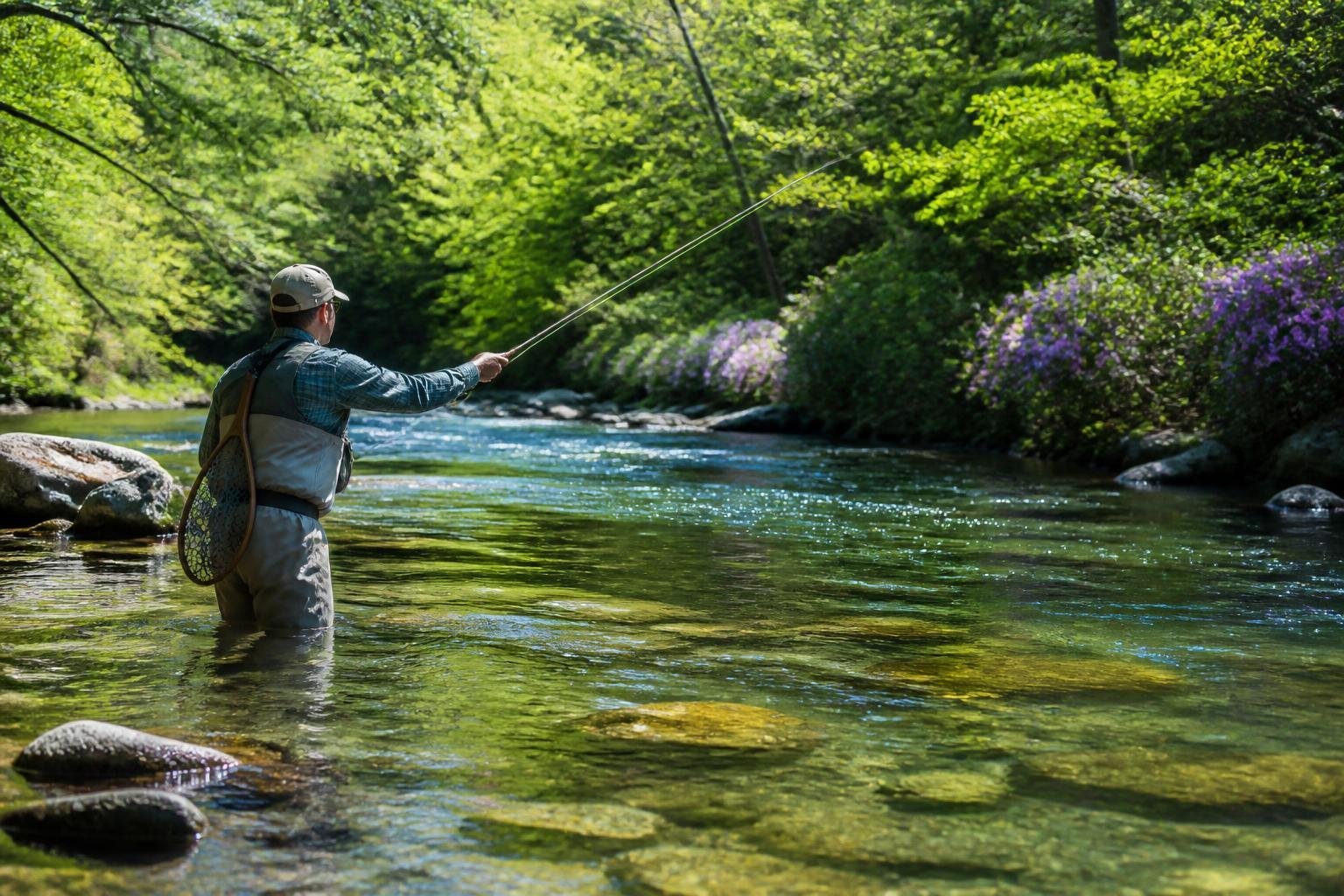
Different fish species respond to spring conditions in unique ways, and understanding these patterns makes the difference between a slow day and a limit. Water temperature drives behavior across all species, but each fish moves into spring feeding and spawning modes at different times and locations.
Targeting Largemouth and Smallmouth Bass
Largemouth bass move shallow when water temps hit the low 50s, while smallmouth bass activate around 45 degrees. I focus on largemouth in woody cover, vegetation remnants, and dark-bottomed bays that warm fastest. They hold tight to structure in early spring, so I work baits slowly through laydowns and stump fields.
Smallmouth bass prefer rock transitions, gravel points, and boulder fields. They spawn deeper than largemouth, often on hard bottom in 3 to 15 feet of water depending on clarity. I find both species respond well to suspending jerkbaits in cold water below 50 degrees.
Key largemouth locations:
- Shallow coves with dark bottoms
- Standing timber and laydowns
- Mud-to-rock transitions
- Boat docks in protected areas
Smallmouth require a different approach. I target chunk rock banks, gravel flats near deep water, and areas where current meets structure. Hair jigs and tube baits work exceptionally well when dragged slowly across these zones.
Walleye and Pike in Transitional Waters
Walleye spawn first among spring species, moving into shallow tributaries and rocky shorelines when water reaches 42 to 48 degrees. Post-spawn walleye stage on the first significant depth change near spawning areas. I locate them on mudflats, sand transitions, and breaklines in 8 to 15 feet.
Jigs tipped with minnows or soft plastics work best in early spring. I fish them slow along bottom, making short hops and pauses. Live bait rigs with crawlers or leeches become more effective as water warms into the mid-50s.
Pike feed aggressively throughout spring. They spawn in weedy shallows and backwater areas, then move to adjacent deeper water to recover. I find them cruising weed edges, current breaks, and drop-offs near spawning flats.
Large spinnerbaits, swimbaits, and shallow-running crankbaits trigger strikes from hungry pike. They hit hard and fast, so I use steel leaders to prevent bite-offs.
Tips for Panfish and Crappie Action
Crappie move shallow to spawn when water hits 58 to 65 degrees. I find them around brush piles, docks, fallen trees, and standing timber in 4 to 10 feet of water. Pre-spawn crappie stage deeper on channel edges and creek channels before moving up.
Small jigs in 1/16 to 1/8 ounce paired with soft plastic bodies or live minnows catch both crappie and bluegill. I use slip bobbers to keep baits at precise depths.
Effective panfish presentations:
- Vertical jigging around cover
- Casting to visible structure
- Slow retrieves with frequent pauses
- Light line (4-6 pound test) for more bites
Bluegill and other sunfish spawn later than crappie, moving shallow in 65 to 70 degree water. I target them on sandy or gravel spawning beds near vegetation. Small flies, wet flies, and ice fishing jigs work when fish are finicky.
Special Approaches for Muskie, Carp, and Gar
Muskie fishing opens in late spring in most areas. Water temps in the low to mid-60s activate these apex predators. I focus on shallow bays, weed flats, and areas with emerging vegetation where they patrol for spawning panfish and suckers.
Large bucktails, jerkbaits, and topwater baits draw strikes from aggressive muskie. I cast to inside weed edges and work baits with erratic retrieves. Figure-eight the bait boatside on every cast since muskie often follow without striking.
Carp become catchable in spring when they move shallow to spawn and feed. I find them in mud-bottomed bays, backwater areas, and shallow flats in 2 to 6 feet. Pack baits, corn, and bread dough balls fished on bottom rigs catch carp consistently.
Gar species including longnose and alligator gar cruise shallow water as temperatures rise. They spawn in late spring when water reaches the upper 60s to low 70s. I sight-fish for gar in clear backwaters using rope flies or cut bait on wire leaders. Gar have bony mouths that require patience on the hookset.
Proven Casting and Retrieval Methods
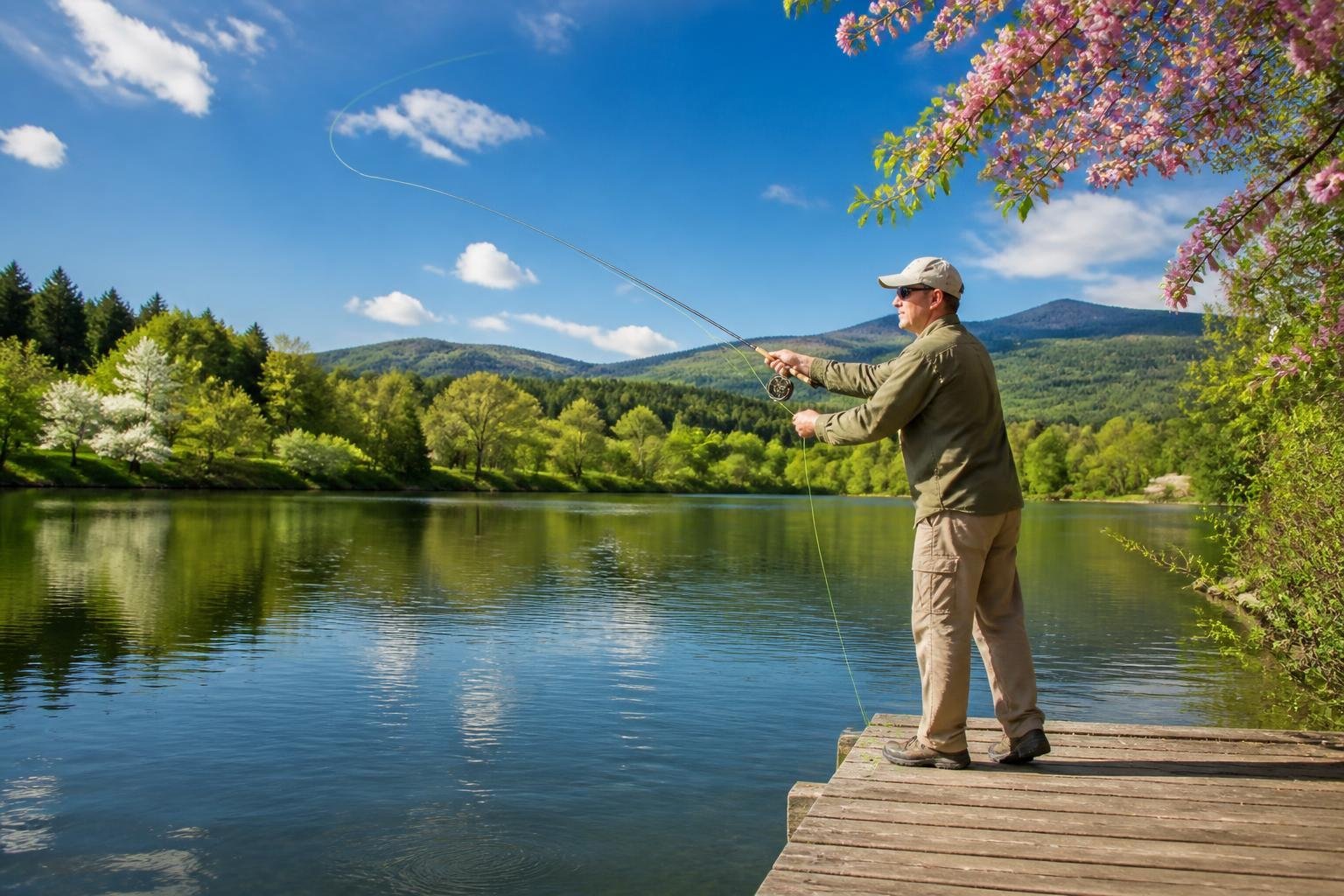
Spring bass respond differently than their summer counterparts, requiring adjustments to casting angles, retrieval speeds, and bait presentation. Water temperature and fish activity levels dictate how you work your lure through structure and drop-offs.
Timing, Technique, and Presentation Adjustment
I’ve learned that retrieval speed matters more in spring than any other season. When water temps sit between 40-50 degrees, I slow my retrieve to almost a crawl. Bass are lethargic and won’t chase fast-moving baits.
The pause is your best friend during early spring. I cast my jerkbait and let it suspend for 5-10 seconds between twitches. This gives cold-water bass time to locate and strike.
As temperatures climb into the mid-50s, I increase my retrieval speed gradually. I’ll work a chatterbait with a steady, medium-paced retrieve that creates hunting action. The key is matching your retrieve to the fish’s activity level.
Water clarity also affects presentation. In stained water, I use baits with more vibration and slower retrieves. Clear water calls for natural colors and subtle movements.
Working Baits Along Structure and Drop-Offs
Structure holds bass in spring because it warms faster than surrounding water. I target rocky points, laydowns, and dock pilings during afternoon hours when the sun has heated these areas.
My casting approach focuses on multiple angles. I’ll cast parallel to a dock or laydown first, then follow with perpendicular casts. This lets me work different depths and cover more water.
Drop-offs are staging areas where bass move between deep and shallow water. I position my boat in deeper water and cast toward the shallows. I retrieve my bait down the slope, using bottom contact to trigger strikes.
When working a jig along structure, I drag it slowly across rocks and wood. I feel for changes in bottom composition. A pause after contact with structure often produces bites.
Double Cast and Follow-Up Casting Tips
I always make a follow-up cast to the same spot after missing a strike or seeing a bass swirl. Spring bass often need a second look at a bait before committing.
The double cast technique works well around isolated structure. I cast the same lure twice to the same target from different angles. The first cast gets their attention, the second triggers the bite.
I also switch baits between casts when fish show interest but won’t commit. If a jerkbait gets a follow, I’ll throw a slower-falling hair jig to the same spot. This presentation change often seals the deal.
Adapting to Changing Spring Conditions
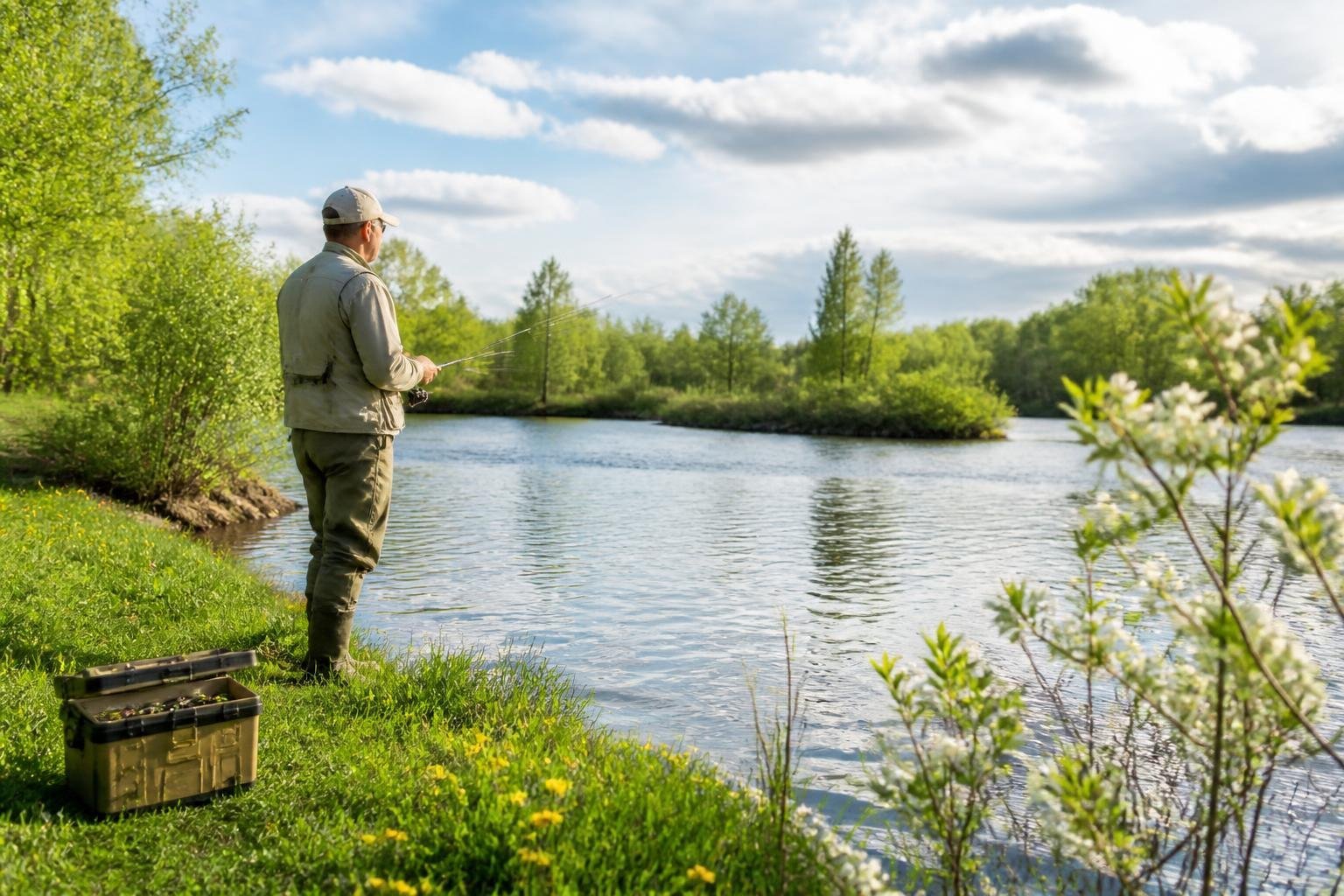
Spring brings unpredictable conditions that require you to adjust your tactics throughout the day. Water temperature swings, sudden weather changes, and shifting baitfish patterns all influence where fish hold and how they feed.
Modifying Approaches for Cold Fronts and Weather Shifts
Cold fronts can shut down spring fishing in hours. When a front moves through, I shift from aggressive presentations to slower, more subtle approaches. Fish become less active and move to deeper water or tuck into protected areas like creek channels and brush piles.
After a front passes, I focus on the warmest water I can find. This means targeting northern or western shorelines that get the most sun exposure. The bite window narrows to a few hours in the afternoon when water temperature peaks.
Pre-frontal conditions offer the opposite scenario. Fish feed heavily before weather changes, so I use faster retrieves and cover more water. Cloudy, warm days before a front are often the most productive times in spring.
Wind direction matters too. I position myself so wind blows into shorelines, as it pushes warmer surface water and baitfish toward the bank. This concentrates feeding fish in predictable zones.
Adjusting for Water Clarity and Temperature Fluctuations
Water clarity changes quickly in spring due to runoff and rain. In stained or muddy water, I switch to lures with more vibration and contrast. Bright colors like chartreuse and white help fish locate my presentation when visibility drops below two feet.
Clear water requires the opposite approach. I downsize lures and use natural colors that match local baitfish. Lighter line and more finesse techniques become necessary as fish get more cautious.
Water temperature fluctuations of just five degrees can move fish entirely. I carry a thermometer and check temps throughout the day. When water hits 50 degrees, I know spawning activity increases for many species. At 55-60 degrees, post-spawn fish begin aggressive feeding patterns.
I also pay attention to water temperature differences between shallow and deep areas. Early morning might require fishing 10-15 feet deep where temps stay stable, then moving shallow as surface water warms past noon.
Selecting Lures Based on Seasonal Forage Changes
Baitfish patterns shift as spring progresses, and my lure selection must match what fish are eating. Early spring means smaller baitfish like threadfin shad that survived winter. I use compact jerkbaits and small swimbaits in the 2-3 inch range.
Mid to late spring brings spawning bluegill, crawfish, and larger shad. This is when I upsize to 4-6 inch swimbaits and crawfish-colored crankbaits. The color change from silver to brown or orange can make a huge difference.
I watch for surface activity that reveals what baitfish are present. If I see small shad flickering near the surface, I match that size and profile. When crawfish are molting, I fish slow-moving bottom presentations in rusty red or brown.
Matching the hatch also means considering baitfish behavior. Dying or struggling baitfish move erratically, so I add pauses and twitches to my retrieves. Healthy schools mean steady, swimming presentations work better.