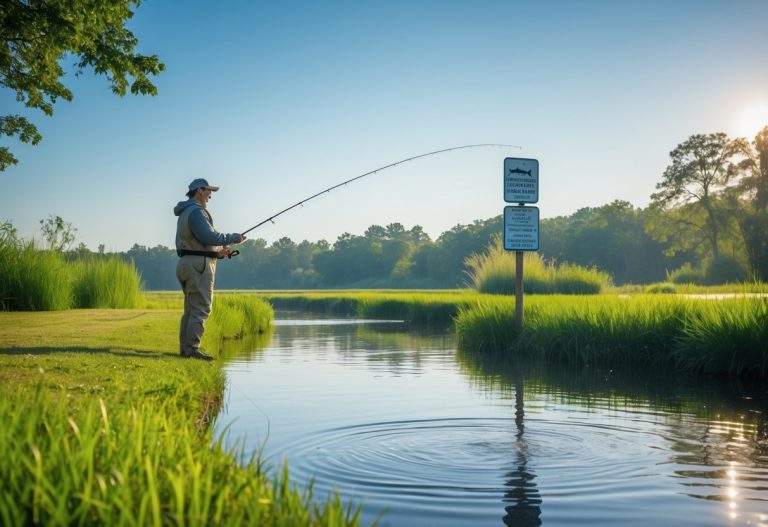
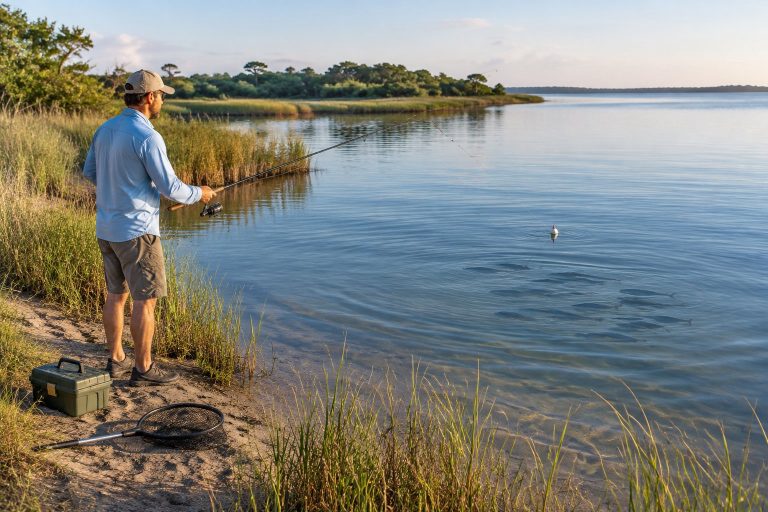
I step onto the frozen lake and feel the quiet stillness that only winter can bring. The ice stretches out like a blank canvas, waiting for a hole to open the world below. Each trip offers a chance to connect with nature in a calm, focused way that few other activities match.
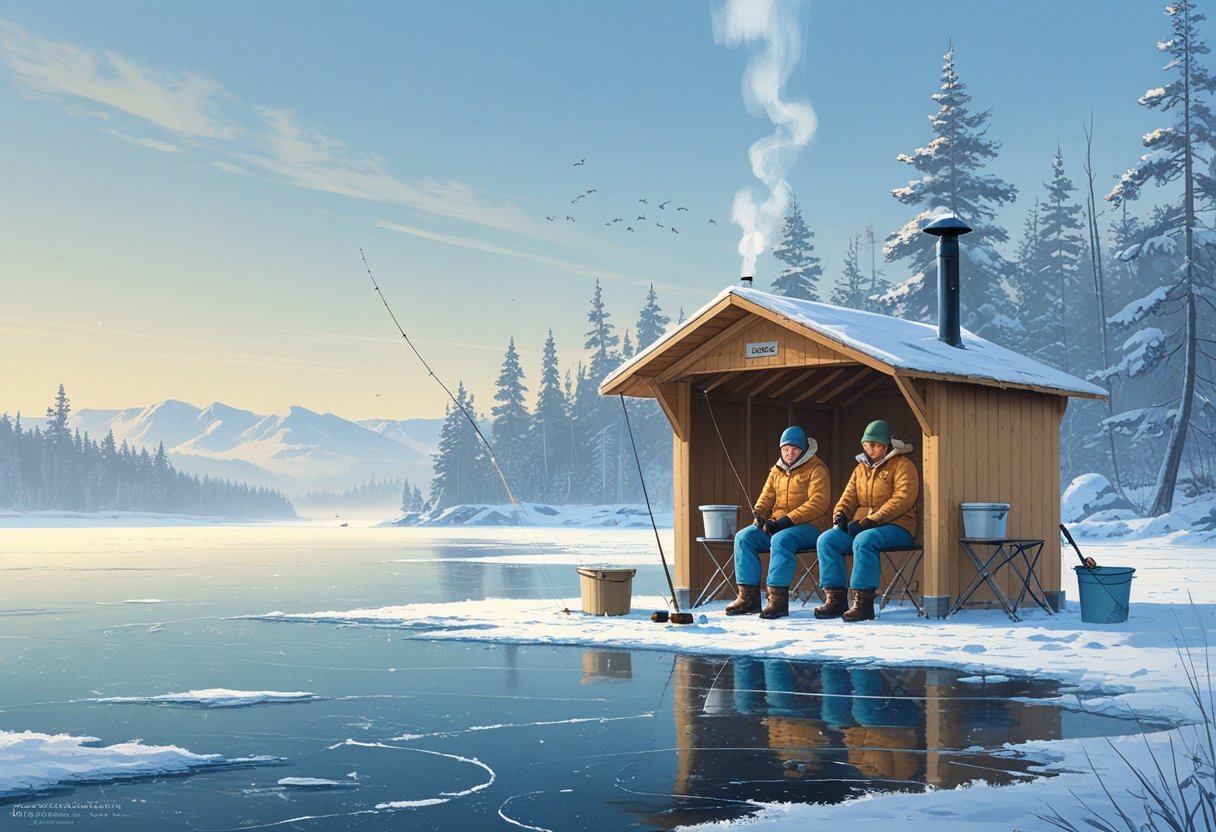
Ice fishing lets you slow down, stay present, and experience winter in a new way while still enjoying the challenge of the catch. Whether you plan to drill your first hole or refine your technique, learning the basics helps you stay safe, comfortable, and ready for success on the ice.
1) Choosing a safe, thick ice surface for fishing
I always check the ice thickness before stepping onto a frozen lake. Clear, solid ice at least 4 inches thick can usually support a person walking or ice fishing on foot. I avoid any ice thinner than that because it can easily crack under weight.
When I plan to use a snowmobile or ATV, I look for ice that is at least 5 to 7 inches thick. For small vehicles, I wait until the ice measures around 8 to 12 inches. The thicker the ice, the safer it is for heavier loads.
I also pay attention to the color and condition of the ice. Clear blue ice is generally stronger than cloudy or white ice, which can form when snow mixes with water. I stay away from ice with cracks, slush, or moving water nearby.
Before drilling a hole, I test the ice in several spots using an auger or ice chisel. Ice thickness can vary across a lake, especially near inlets, outlets, or areas with currents. Taking a few minutes to check helps me fish safely and confidently.
2) Using an ice auger to drill holes efficiently
I start by checking the ice thickness and choosing the right auger for the job. A hand auger works well for thinner ice, while a gas or electric auger saves time on thicker layers. I make sure the blades are sharp before I begin, since dull edges slow drilling and require more effort.
I place the auger upright and apply steady downward pressure as I turn or power it. Keeping the auger straight helps the blades cut evenly and prevents binding. I avoid forcing it, letting the blades do most of the cutting.
When using a power auger, I keep a firm grip and maintain a steady speed. I clear slush from the hole after drilling so the ice doesn’t refreeze too quickly. If I’m drilling several holes, I space them far enough apart to stay safe and avoid weakening the ice.
After drilling, I wipe off the blades and store the auger in a dry place. Regular maintenance keeps it reliable and ready for the next trip.
3) Setting up a portable ice fishing shelter
I start by choosing a flat, stable area on the ice that is free of cracks or slush. I check the ice thickness to make sure it is safe before placing any equipment. A minimum of four inches of clear ice usually supports a small shelter.
I unpack the shelter and spread it out on the surface. If it is a pop-up model, I pull each hub until the frame locks into place. For a wooden or framed design, I assemble the panels and secure them with bolts or clips.
Once the shelter stands upright, I anchor it to the ice using stakes or screws to prevent it from shifting in the wind. I make sure the door faces away from the wind to reduce drafts.
I then set up a small heater or insulation panels to keep the interior warm. I keep ventilation openings clear to allow safe airflow and prevent moisture buildup.
Finally, I organize my gear inside so that I can move easily and keep fishing holes clear. A tidy setup helps me stay comfortable and focused while fishing.
4) Selecting the right ice fishing rod and reel combo
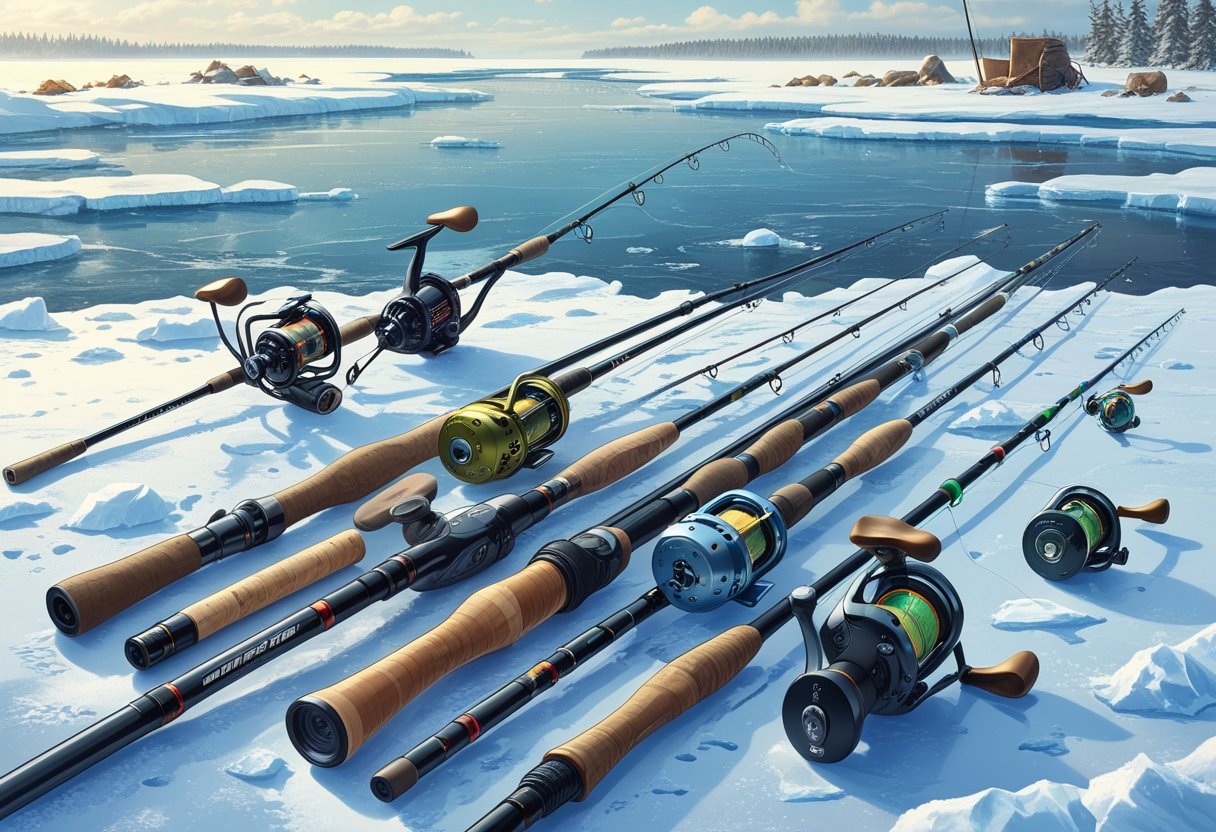
I choose an ice fishing rod and reel combo based on the fish I plan to catch and the conditions I expect. A light combo works well for panfish, while a medium or heavy setup handles walleye or pike better. Matching the rod’s power and action to the species makes a big difference in control and sensitivity.
I look for rods that are short and strong enough to fit inside an ice shelter but still flexible enough to detect light bites. Most ice rods range from 24 to 36 inches, which gives me good balance between comfort and performance.
When picking a reel, I prefer one that turns smoothly in cold weather and has a solid drag system. Spinning reels are common because they are easy to use and handle light lines well. Inline reels reduce line twist, which helps when jigging in deeper water.
Durability also matters. I check that the guides and reel seat can handle freezing temperatures and moisture. A combo built with quality materials lasts longer and performs better through multiple seasons.
5) Employing jigging techniques to attract fish
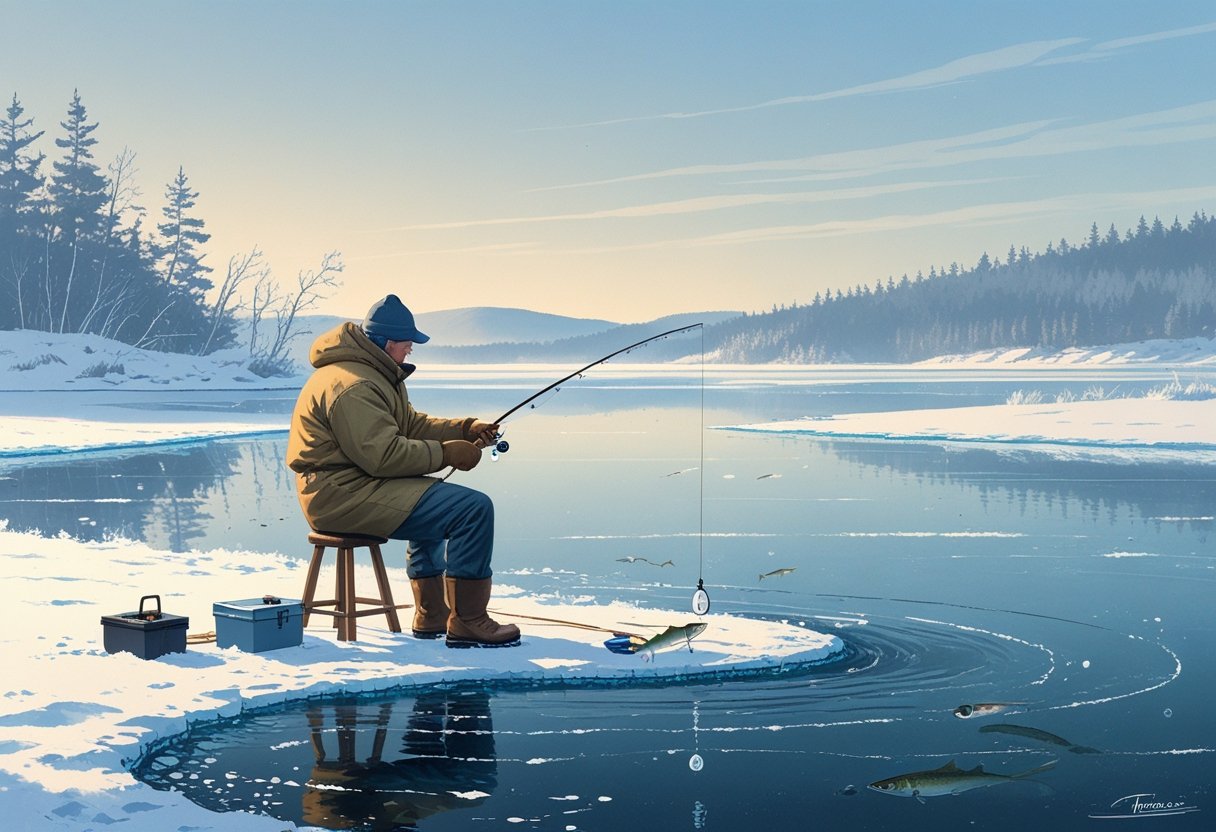
I use jigging to make my lure move in a way that looks like live bait. This motion helps get the attention of fish that might otherwise stay still under the ice. I keep my line vertical so the jig moves naturally in the water.
I start by dropping the jig straight to the bottom, then lift it a few inches. I let it fall back down with small, controlled movements. This pattern imitates feeding minnows or insects, which often draws curious fish closer.
I change the speed and rhythm depending on how active the fish seem. Sometimes a slow lift and pause works better than quick jerks. When I feel a light tap or see movement on my line, I set the hook carefully.
Different jigs and colors can make a big difference. Bright colors work well in murky water, while natural tones look better in clear conditions. I always check my lure action through the hole to be sure it moves the way I want.
6) Using tip-ups for hands-free fishing
I use tip-ups when I want to fish more than one hole at a time without constantly holding a rod. A tip-up holds the line under the ice and signals when a fish bites, usually with a small flag that pops up. This lets me stay active while still watching for bites from a distance.
I find tip-ups especially useful in cold weather because I can step into a shelter or warm my hands without missing a strike. They also help me test different depths or baits at once, which increases my chances of finding where fish are feeding.
Before setting one up, I make sure the spool turns smoothly and the line runs freely. I check that the trigger is sensitive enough to detect light bites but not so loose that wind sets it off.
Some models include insulation covers to keep the hole from freezing, which helps during long sessions. I always keep an eye on the flags and move quickly when one pops up to set the hook and bring in the fish.
7) Baiting with live minnows or wax worms
I often use live minnows or wax worms when ice fishing because they attract a wide range of fish. Their natural movement and scent make them effective in cold water where fish are less active. I choose the bait type based on the species I want to catch.
When I target larger fish like walleye or lake trout, I use live minnows. Their size and motion draw the attention of predatory fish. I hook them lightly through the back or lips so they can move naturally under the ice.
For panfish such as bluegill, crappie, or perch, I prefer wax worms. They are small, easy to handle, and give off a scent that encourages bites. I usually place a single wax worm on a small jig and use gentle jigging motions to mimic live prey.
I keep my bait healthy to ensure good results. Minnows stay in aerated water, while wax worms do best in a cool, dry container. Fresh, active bait always improves my chances of catching fish through the ice.
8) Wearing insulated, waterproof clothing
I always make sure to wear insulated, waterproof clothing when I go ice fishing. Staying dry and warm keeps me comfortable and helps me focus on fishing instead of the cold. The right clothing also protects me from wind, snow, and freezing water.
I start with a moisture-wicking base layer to keep sweat off my skin. Then I add an insulated mid-layer, like fleece or wool, for warmth. On top, I wear a waterproof and windproof jacket and bibs made from durable materials such as nylon or Gore-Tex.
My boots are insulated and waterproof to keep my feet dry on slushy ice. I pair them with thick wool socks for extra warmth. Gloves, a hat, and a neck gaiter help seal in body heat and protect exposed skin from frostbite.
Good clothing makes a big difference in how long I can stay out on the ice. When I dress properly, I can move freely, stay warm, and fish safely even in harsh winter conditions.
9) Using sonar or fish finders under the ice
I use sonar or a fish finder to see what’s happening below the ice. The device sends sound waves through the water and shows me where fish and structure are located. This helps me choose the best spot to drill and drop my line.
I check the display for depth, bottom type, and fish movement. When I see fish marks near my lure, I know I’m in a good area. If the screen shows little activity, I move and drill another hole.
I keep my sonar unit level and close to the hole for accurate readings. I also adjust sensitivity and range to match the water depth. Bright screens and clear displays make it easier to read in sunlight or cold conditions.
I prefer portable units made for ice fishing because they handle freezing temperatures well. Some models show real-time movement, so I can watch how fish respond to my bait. This helps me change my lure or technique quickly.
10) Bringing a portable heater for warmth
I bring a portable heater to stay comfortable during long hours on the ice. The right heater keeps me focused on fishing instead of the cold. I choose a model that fits my shelter’s size and provides steady, even heat.
I prefer propane heaters because they are reliable and easy to use in remote areas. Electric heaters can work too, but they need a power source, which is not always available on the ice.
Safety matters most when using any heater. I always make sure my shelter has ventilation to let out moisture and carbon monoxide. I also use a heater with an automatic shutoff if it tips over or detects low oxygen.
I place the heater on a flat, stable surface away from gear and walls. Keeping it near the center helps spread warmth evenly. I also bring a small carbon monoxide detector for added safety.
With the right setup, a portable heater makes ice fishing much more comfortable and safe.
Safety Considerations
I focus on staying alert, checking ice conditions often, and using the right gear to prevent accidents. Knowing how thick the ice is, carrying proper safety tools, and watching for signs of danger help me stay safe on frozen water.
Understanding Ice Thickness
I always measure ice before stepping onto it. Clear, solid ice at least 4 inches thick can usually support me when walking. If I use a snowmobile or ATV, I wait until the ice is 5–7 inches thick. For a small car or truck, the ice should be much thicker—8–12 inches or more.
I avoid ice that looks gray, slushy, or covered in snow, since that often means weak or uneven freezing. I also stay away from moving water, inlets, and areas near docks or vegetation, because currents and heat can thin the ice below the surface.
I test thickness using an ice auger, spud bar, or drill, checking every few feet as I move. I never rely on one reading alone. Safe ice can vary widely across a single lake.
Essential Safety Gear
I pack specific gear to handle emergencies and stay warm. My ice picks hang around my neck so I can pull myself out if I fall through. I wear a floatation suit or life jacket under my coat for added buoyancy.
I bring a throw rope, ice cleats, and a spud bar to test the surface as I walk. A small first aid kit, hand warmers, and a whistle also stay in my sled.
For visibility and communication, I carry a headlamp, fully charged phone, and sometimes a two-way radio. I tell someone my location and return time before heading out.
| Gear | Purpose |
|---|---|
| Ice picks | Self-rescue after breaking through |
| Floatation suit | Keeps me afloat and warm |
| Spud bar | Tests ice thickness |
| Throw rope | Helps rescue others safely |
Recognizing Changing Conditions
I pay attention to weather patterns before and during my trip. Warm days, rain, or wind can quickly weaken the ice. Even a few degrees above freezing can cause melting along the edges first.
I check for standing water, cracks, or hollow sounds underfoot. These signs often mean the ice is losing strength. When I see them, I move back toward shore immediately.
I also listen for popping or cracking sounds. While some noise is normal, sharp or frequent cracks can signal stress in the ice. I never ignore those warnings.
Finally, I monitor local reports from bait shops, fishing clubs, or state agencies. They often share up-to-date information about safe areas and recent changes in ice conditions.
Environmental Impact and Conservation
I focus on how my actions on the ice affect the lake’s ecosystem. Fish handling, waste disposal, and gear choices all shape the health of the environment where I fish. Small changes in how I fish can protect fragile habitats and keep the water clean for future seasons.
Responsible Catch and Release
When I release fish, I handle them gently to reduce injury. I wet my hands before touching them and avoid squeezing their bodies. Using barbless hooks helps me remove them quickly, lowering stress and improving survival rates.
I avoid fishing during spawning seasons when fish are most vulnerable. Cold temperatures can already strain fish, so keeping them out of the water for less than 30 seconds makes a difference.
Best Practices Table:
| Practice | Benefit |
|---|---|
| Use barbless hooks | Easier, safer release |
| Keep fish in water | Reduces stress and injury |
| Avoid spawning areas | Protects breeding fish |
By staying mindful of these steps, I help maintain fish populations and support sustainable recreation.
Minimizing Litter and Waste
I take all trash, fishing line, and bait containers off the ice. Even small litter, like cigarette butts or plastic wrappers, can pollute water and harm wildlife when the ice melts.
I use reusable containers for bait and steel or tungsten sinkers instead of lead to avoid toxic runoff. When I drill holes, I clean up ice shavings and avoid spilling fuel or oil.
I also join local clean-up events that keep fishing areas safe and welcoming. These actions protect water quality and show respect for the natural spaces I enjoy.