Fishing in retention ponds can be a great way to enjoy nature close to home. I’ve found that knowing the rules helps avoid trouble and makes the experience better. Many people don’t realize that you often need a valid fishing license and permission if the pond is on private property.
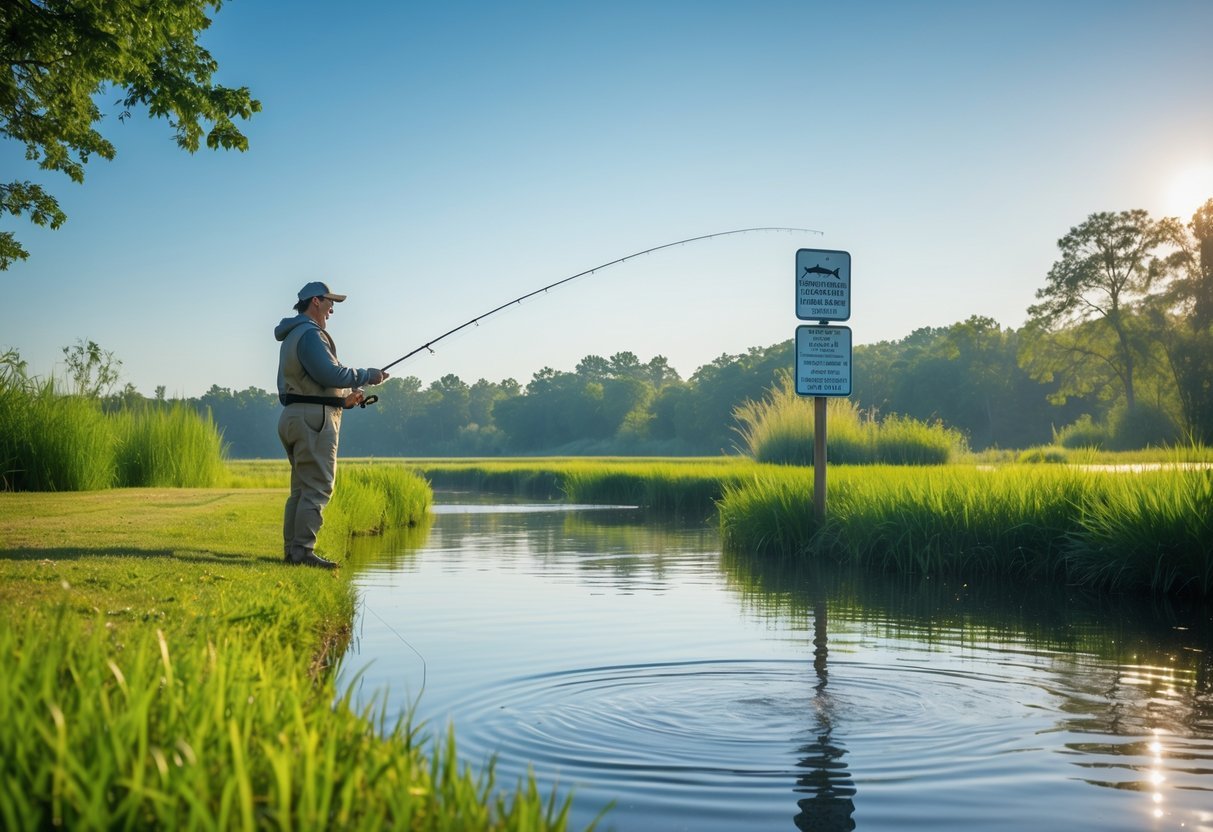
The key to fishing retention ponds legally is to have a proper fishing license and ensure you are not trespassing on private land. Some retention ponds also have specific local rules or restrictions, so checking those before you head out is important. Following these simple steps keeps fishing safe and lawful.
I like to focus on understanding these legal basics so I can fish with peace of mind. Whether you’re after bass or catfish, knowing the laws lets you enjoy your time without worry. This article will guide you through the essentials to fish retention ponds correctly.
Legal Requirements for Fishing Retention Ponds

Fishing retention ponds means following clear rules about licenses, property access, and public use. I need to get the right permits, respect private land, and know when and where I am allowed to fish.
Freshwater Fishing Licenses
In Florida, I must have a freshwater fishing license to legally fish in retention ponds. These licenses are issued by the Florida Fish and Wildlife Conservation Commission (FWC). The license applies to most freshwater bodies, including retention ponds that are open to the public.
If I fish without a license, I can face fines or other penalties. It’s easy to buy a license online or from authorized dealers. Some types of fishing, like catching baitfish or fishing on private ponds with permission, might have exceptions. But when in doubt, I always carry a valid license to avoid trouble.
Trespassing Laws and Private Property
Many retention ponds are on private land or inside neighborhoods. Even if the pond looks open, fishing without permission is trespassing. I always make sure I have the landowner’s permission before fishing a private retention pond.
Trespassing laws are strict in Florida. Landowners can press charges or ask law enforcement to remove people fishing without consent. I respect property boundaries and posted signs. Getting permission helps me fish legally and avoid conflicts.
Understanding Public Access Rules
Not all retention ponds are public. Some are built by communities or developers and have specific rules about fishing. I check local regulations or ask property managers about public access before fishing.
Florida often requires permits or follows rules for retention ponds, especially if they were built for stormwater control. I make sure my fishing activity doesn’t break any of these rules. Sometimes ponds limit fishing hours or restrict bait types. Knowing these details helps me stay within the law and enjoy fishing safely.
Key Agencies and Their Roles

When fishing in retention ponds, understanding which agencies oversee these bodies of water is essential. This knowledge helps me comply with rules, avoid fines, and protect the environment. Each agency has specific responsibilities, from issuing permits to enforcing local regulations.
Florida Department of Environmental Protection
The Florida Department of Environmental Protection (FDEP) plays a major role in managing water resources, including retention ponds. I know they enforce state laws related to water quality and stormwater management. They issue Environmental Resource Permits (ERPs) for constructing or altering ponds. These permits ensure the pond controls runoff and meets environmental standards.
FDEP also monitors compliance and can fine owners if ponds are not properly maintained. Since fishing activities can affect water quality, I have to follow FDEP guidelines to avoid disturbing habitats or polluting the water. Reporting any pollution or illegal fishing helps support FDEP’s mission.
South Florida Water Management District
The South Florida Water Management District (SFWMD) manages water resources in parts of Florida, including many retention ponds. I rely on them for local water management rules, inspection schedules, and maintenance standards. SFWMD ensures ponds handle runoff without causing flooding or environmental harm.
For fishing, I must follow SFWMD’s local rules regarding access and permitted fish species. They work closely with FDEP but focus more on the operational side. Permits from SFWMD often include requirements for pond upkeep and habitat protection that affect fishing practices.
Local and Regional Regulations
Local governments and regional authorities add another layer of rules. I check with my city or county to learn about specific fishing laws in retention ponds. These rules can cover access hours, fishing licenses, and which fish species are allowed.
Sometimes, homeowners associations or commercial property owners are responsible for pond maintenance and rule enforcement. Knowing who manages the pond helps me get permission before fishing. I make sure to follow local regulations to avoid penalties and respect community standards.
Retention Pond Types and Their Functions
Retention ponds come in different forms and serve specific roles in managing water around developed areas. Knowing what kind of pond you’re dealing with helps you understand its purpose and how it fits into local water control and fishing rules.
Man-Made and Stormwater Ponds
Man-made ponds often look natural, but they are built to catch and hold water. Some retention ponds are permanent lakes, while others may fill only during rainstorms. These ponds are designed to clean stormwater by trapping pollution and sediment before the water moves on.
Many retention ponds are stocked with fish, especially in communities where fishing is welcomed. Since these ponds hold water year-round, they support fish populations better than temporary ponds. When fishing, I check if the pond is public and stocked to stay within legal boundaries and respect the pond’s health.
Stormwater Runoff and Flood Control
Retention ponds control stormwater runoff, collecting the rainwater that flows off roofs, roads, and yards. Instead of rushing into streams and rivers, this water sits in the pond, giving time for pollutants to settle and the water to be cleaned.
These ponds also help reduce flooding. By holding extra water during heavy rains, they prevent nearby streets and yards from flooding. The slow release of water protects local ecosystems downstream. Understanding this helps me avoid fishing in ponds that might be off-limits because they serve critical flood control roles.
Accessing Retention Ponds Legally
Before fishing a retention pond, it’s important to know who controls the land and what rules apply. Access depends on ownership, specific signs, and sometimes community rules. Understanding these details helps avoid legal trouble and keeps fishing respectful.
Identifying Ownership and Management
I always start by figuring out who owns or manages the retention pond. Many ponds are owned by local governments, municipalities, or homeowners’ associations (HOAs). Some may be on private property or part of stormwater management systems.
Publicly owned ponds may allow fishing with a proper license, but if the pond is private, I need permission from the owner. Calling local government offices or checking public records can help identify ownership.
In Florida, where pond management is strict, some retention ponds require permits for maintenance or fish stocking. Knowing this helps me follow the rules and keep the fish population healthy.
No Fishing and No Trespassing Signs
I pay close attention to any No Fishing or No Trespassing signs around a retention pond. These signs are legally enforceable and are often posted by property owners or managing agencies.
Even if the pond is publicly owned, some areas restrict fishing to protect wildlife or water quality. Ignoring these signs can lead to fines or legal action.
If there are no signs, I still make sure to check for nearby rules or ordinances. Sometimes restrictions are in local laws rather than posted physically. It’s my responsibility to fish only where allowed.
HOA and Community Restrictions
When a retention pond is inside a neighborhood or a planned community, it may be managed by a Homeowners Association (HOA). HOAs often set specific rules, which can limit or ban fishing.
I always review the HOA documents or talk to the HOA management before planning to fish. Even if the pond is technically on shared land, HOAs can enforce rules like “No Fishing” or “No Trespassing.”
These rules protect the community’s interests, including safety and property values. Obtaining any needed permission prevents conflicts. If the HOA prohibits fishing, I respect that to avoid problems.
Retention Pond Fishing Best Practices
Fishing retention ponds well means understanding the rules, keeping track of fish numbers, and using the right equipment safely. I focus on making sure I follow laws, respect catch limits, and prepare properly before I even cast my line.
Respecting Environmental Regulations
Before fishing in any retention pond, I always check if the area allows fishing. Many ponds are on private property or in neighborhoods with rules against fishing. Trespassing can lead to fines or legal trouble. I make sure to get permission or only fish in public ponds.
In places like Florida, the Fish and Wildlife Conservation Commission sets clear rules. They manage fish stocking and protect species like bluegill and shellcracker to keep ecosystems balanced. It’s important to follow these guidelines to avoid harming the environment.
I also avoid disturbing wildlife or damaging plants around the pond. Littering and leaving gear behind can hurt water quality and fish habitats. Keeping the pond clean helps maintain a healthy space where fish can thrive for years.
Following Catch Limits and Species Guidance
Every pond has limits on how many fish you can keep and the species allowed. For example, Florida often regulates species like bluegill and shellcracker, which helps control overpopulation and keeps ponds balanced.
I always check local limits before fishing. These include size minimums, daily bag limits, and protected species lists. Catch-and-release is a great option when unsure or when fish don’t meet size rules. This practice helps maintain healthy fish populations.
If I catch too many small fish, I avoid removing them all. Removing only the right-sized fish prevents emptying the pond of important species. Following these rules protects the fish population and ensures good fishing for the future.
Proper Gear and Safety Considerations
I use gear suited for retention ponds, targeting fish like bass, bluegill, or shellcracker. Light rods and small lures work well in shallow water, where fish often stay close to the surface. Bright colors or natural bait can attract more bites.
Since many ponds are near roads or neighborhoods, I wear a life vest if fishing from a kayak or boat. I also carry sunscreen, water, and a first-aid kit. Safety is key, especially if fishing alone or in hot weather.
I avoid using heavy gear or fishing near fountains and underwater ropes, which can snag lines and cause frustration. I’m careful to not disturb pond structures where fish hide. Staying alert to my surroundings keeps fishing safe and enjoyable.
Retention Pond Design, Maintenance, and Fish Habitat
I focus on how retention ponds are built, kept clean, and how they support fish life for better fishing. Proper pond shape, ongoing care, and the right mix of plants and fish all matter for a healthy pond you can enjoy.
Retention Pond Design Standards
Retention ponds must be shaped and sized to hold water safely and help the surrounding land. A good pond usually has a shallow area about 20-50 cm deep, letting fish and wildlife come and go easily. Slopes should not be too steep to help fish, like bluegill and shellcracker, move in.
The pond liner and soil are important too. Liners without soil can cause algae to grow too fast, hurting water quality. The design must include ways to control runoff and hold sediment to keep the water clear. I believe ponds designed with these rules protect the water and support a variety of fish.
Wildlife and Fish Species in Ponds
Retention ponds create homes for many animals. For fishing, bluegill and shellcracker fish are common because they breed well in these ponds. These species need clean water and plenty of plants for cover and food.
Ponds also help birds and frogs by providing water and shelter. The vegetation around the edges supports insects, which feed fish. I watch for a mix of plants both in and near the water to make the pond lively and balanced. Healthy habitats lead to larger fish and better fishing experiences.
Pond Maintenance and Water Quality
Keeping the pond clean is key to successful fishing. I regularly check for too much algae or plants that can crowd the water. Removing excess plants helps prevent oxygen loss that can kill fish.
Sediment buildup needs to be controlled by clearing channels and maintaining proper water flow. Testing water for nutrients like nitrogen and phosphorus helps me know if adjustments are needed. Clear water supports fish health and avoids harmful blooms.
Good maintenance also means managing runoff from nearby land to avoid carrying pesticides or waste into the pond. I find that thoughtful maintenance keeps fish populations healthy and the pond usable for recreation and fishing.
Stormwater Management and Environmental Protection
Fishing in retention ponds comes with responsibilities that go beyond just catching fish. These ponds serve important roles in managing stormwater and protecting the environment. Knowing the impact of your fishing and how these ponds help your community can keep both nature and regulations in balance.
Environmental Impact of Pond Fishing
When I fish in retention ponds, I remember that these are sensitive environments. Disturbing the water too much or introducing non-native bait can harm local plants and animals. Handling fish carefully reduces stress on them and helps keep populations healthy.
Using only allowed fishing gear protects pond habitats. I avoid overfishing because many fish are part of a delicate ecosystem relying on balanced numbers to control insects and algae. Sometimes, the Florida Department of Environmental Protection has specific rules about what fish I can catch and how much. Following these helps preserve water quality and wildlife.
Role of Retention Ponds in Community Water Management
Retention ponds collect stormwater runoff, which helps prevent flooding and reduces pollution entering rivers and lakes. I understand these ponds often hold water permanently and treat runoff by settling sediments and filtering pollutants naturally.
These ponds protect neighborhoods and ecosystems by controlling stormwater during heavy rains. The Florida Department of Environmental Protection sets guidelines for pond design and maintenance to ensure they work well year-round. By respecting these rules, I help keep the water clean for everyone.
Knowing how these ponds function motivates me to fish responsibly so they continue serving both people and wildlife without damage.