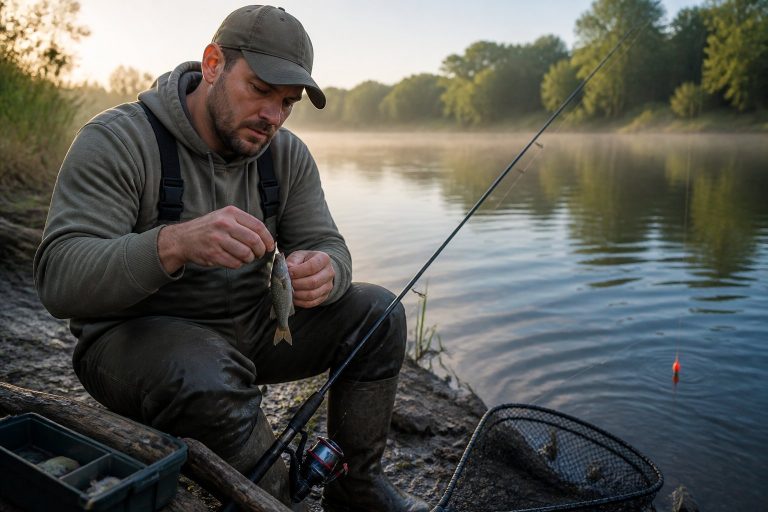
Short on time, most anglers will get on the water faster with fishing lures, while live bait usually gives better odds of steady action, especially for kids and newer anglers. The right choice depends less on theory and more on how much time is available, who is fishing, and how much preparation feels realistic.
For a quick trip, fishing lures usually win on convenience, while live bait wins on consistency and keeping children engaged. For anglers who want to squeeze in a lunch break, an after-work stop, or a brief evening cast, lures are easy to keep in the car and ready to go. For family trips where the goal is smiles, steady bites, and fewer “I’m bored” moments, worms or other live bait can be the better tool.
How Each Option Works On The Water
Fishing lures and live bait work for different reasons, and that difference shapes the whole trip. Lures rely on reaction, while live bait leans on food, scent, and natural movement, which changes how fish respond in shallow water, calm water, or pressured spots.
Why Artificial Presentations Trigger Strikes
Lures make fish react to flash, vibration, color, and movement. A small crankbait, soft plastic, or spinner can cover water quickly, which matters when time is limited and the first bite needs to happen soon.
They also let anglers target specific depths and retrieve styles without waiting for bait to stay lively. That makes lures a strong fit for bank fishing, pond hopping, and any short session where efficiency matters more than bait handling.
Why Natural Scent And Movement Draw Bites
Live bait works because it looks and smells like a real meal. Worms, minnows, and other natural offerings often get attention from fish that might ignore a fast-moving artificial presentation.
That advantage shows up most when fish are cautious, the water is warm or muddy, or the angler is still learning presentation. A worm under a bobber can produce quick bites with very little technique, which is why it stays a classic choice for families.
Speed, Convenience, And Prep Time
When minutes matter, lures are built for speed. They can stay in a tackle box, live in the vehicle, and go from storage to water without a bait run, a cooler, or extra cleanup.
Why Tackle-Box Ready Gear Fits Short Sessions
Lures are ideal for a quick lunch-break session because they remove almost all setup friction. An angler can grab a rod, a small box of proven lures, and head straight out without worrying about bait dying, spilling, or smelling up the car.
That convenience also helps after work, when daylight is fading and there is no time for extra stops. A small selection of confidence baits can turn a 45-minute window into actual fishing time instead of errand time.
When A Bait Shop Stop Is Worth It
Live bait is worth the stop when the trip is meant to be slower and more intentional. If the goal is catching fish with minimal casting effort, or keeping kids active around the bank, the extra stop can pay off quickly.
A bait shop run makes more sense when local fish are picky or when a specific species responds better to natural bait. It also fits relaxed outings where the schedule leaves room for bait buckets, ice, and a little more setup.
Action, Hookups, And Learning Curve
Lures create more motion and more decision-making, which keeps an angler engaged and helps cover water. Live bait usually simplifies the process and can produce faster hookups for newcomers who need confidence more than complexity.
What Makes Casting And Retrieving More Active
Fishing with lures asks the angler to cast, retrieve, pause, and adjust. That constant movement keeps a short trip from feeling static, and it gives the angler something to work on even if bites are slow.
For busy anglers, that active style can be a benefit because it turns limited time into a focused session. It also makes it easier to fish multiple spots quickly, which matters on a tight schedule.
Why Natural Offerings Often Help New Anglers Connect Faster
Live bait often shortens the learning curve because fish do not need as much convincing. A child or beginner can place a worm near cover and get bit without mastering retrieve speed or lure selection.
That early success matters. Once an angler feels a few bites, the rest of the trip usually becomes more enjoyable, and that matters more than fancy technique on a family outing.
Best Choice For Kids And Family Trips
Family fishing usually goes better when the water stays active and the kids stay interested. Live bait often creates that pace, while lures can still work well if the adults want more casting and teaching time.
Keeping Children Engaged With Steady Bites
Worms are often the best “cheat code” for kids because they can produce frequent action. Even small panfish bites can keep a child focused long enough to build momentum and excitement.
Steady bites also reduce the waiting game that often ends a kid’s attention span. For many parents, that makes live bait the easiest way to turn a short outing into a win.
Reducing Frustration For Parents Who Are Still Learning
Live bait helps when the parent is learning too. It is easier to explain a bobber, a hook, and a worm than to teach lure cadence, depth control, and target selection all at once.
That simplicity lowers stress and keeps the outing from becoming technical. A parent can spend more time helping a child fish and less time trying to diagnose why a lure did not get touched.
Cost, Storage, And Mess Factor
Cost and convenience usually separate the two methods as much as fishing skill does. Lures cost more upfront, while live bait can mean repeated purchases, extra storage, and more cleanup after the trip.
Upfront Spend Versus Repeat Purchases
Lures often cost more at the start because the angler needs a few reliable options in different sizes or colors. After that, the same gear can be reused many times, which makes it efficient for frequent quick trips.
Live bait tends to look cheaper at first, yet repeated buys add up. A few dollars in worms may not matter for one outing, though over a season it becomes a regular expense.
Cleanup, Transport, And In-Car Practicality
Lures are easier to keep in the car because they do not leak, smell, or require refrigeration. A tackle box, a rod, and a spare pack of plastics can stay ready for a last-minute stop after work.
Live bait brings more hassle. Buckets, dirt, water, and bait containers can spill or smell in a vehicle, which is manageable on a slow weekend and annoying on a hectic weekday.
Scenario-Based Recommendations
The right choice changes with the kind of trip being planned. A short, solo window rewards speed, while a family outing rewards consistency and low frustration.
What To Use On A 45-Minute After-Work Window
For 45 minutes after work, fishing lures are the better call. They are fast, clean, and ready to fish the moment the angler reaches the water, which makes them ideal for tight schedules and spontaneous stops.
What To Bring For A Relaxed Weekend With Kids
For a relaxed weekend with kids, buy the worms. Live bait usually keeps children busy with more frequent bites, fewer lessons at once, and a better chance that the trip feels fun from start to finish.
How To Decide Based On Species, Season, And Location
Species matter first. Bass, trout, bluegill, catfish, and local pond fish may all respond differently, so the better option depends on what actually swims there.
Season and location matter too. Cold fronts, heavy fishing pressure, muddy water, and shy fish can favor live bait, while open water, active fish, and a short time window often favor lures. For anglers who want a simple habit and more time on the water, the practical rule is straightforward, lures for speed, live bait for steady action, and if the trip includes kids, worms usually make the day easier.