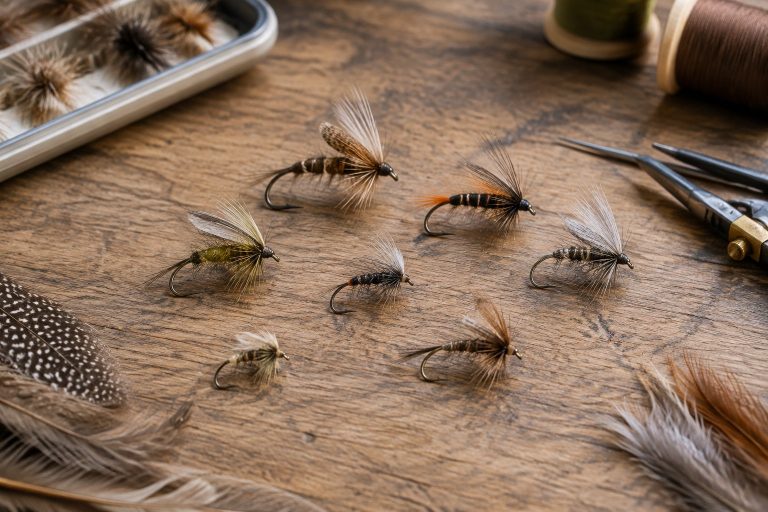
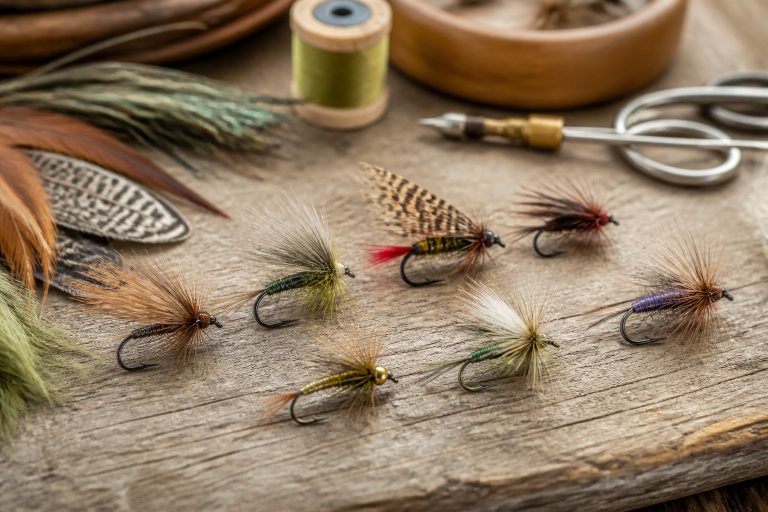
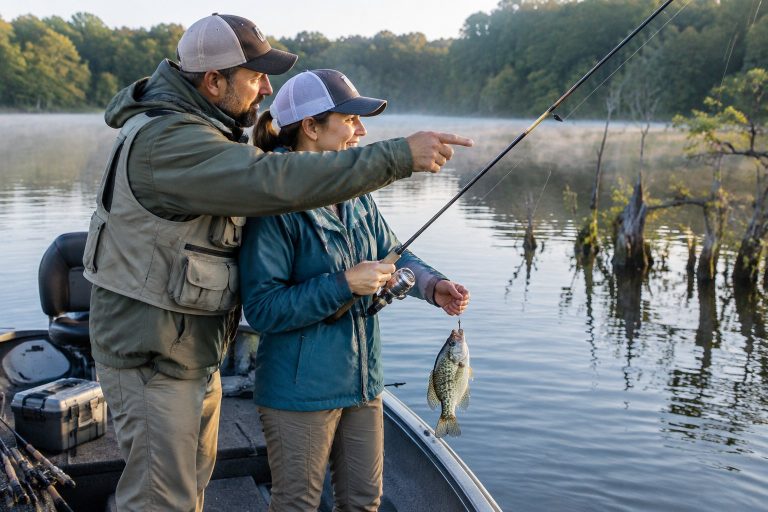
Fishing takes planning, especially when time is short. If you only have an hour or two, you want to know when that effort will pay off most. Morning fishing often gives you cooler water and active fish, while evening hours bring calm winds and fewer crowds. Knowing the best time for you helps turn limited trips into successful ones.
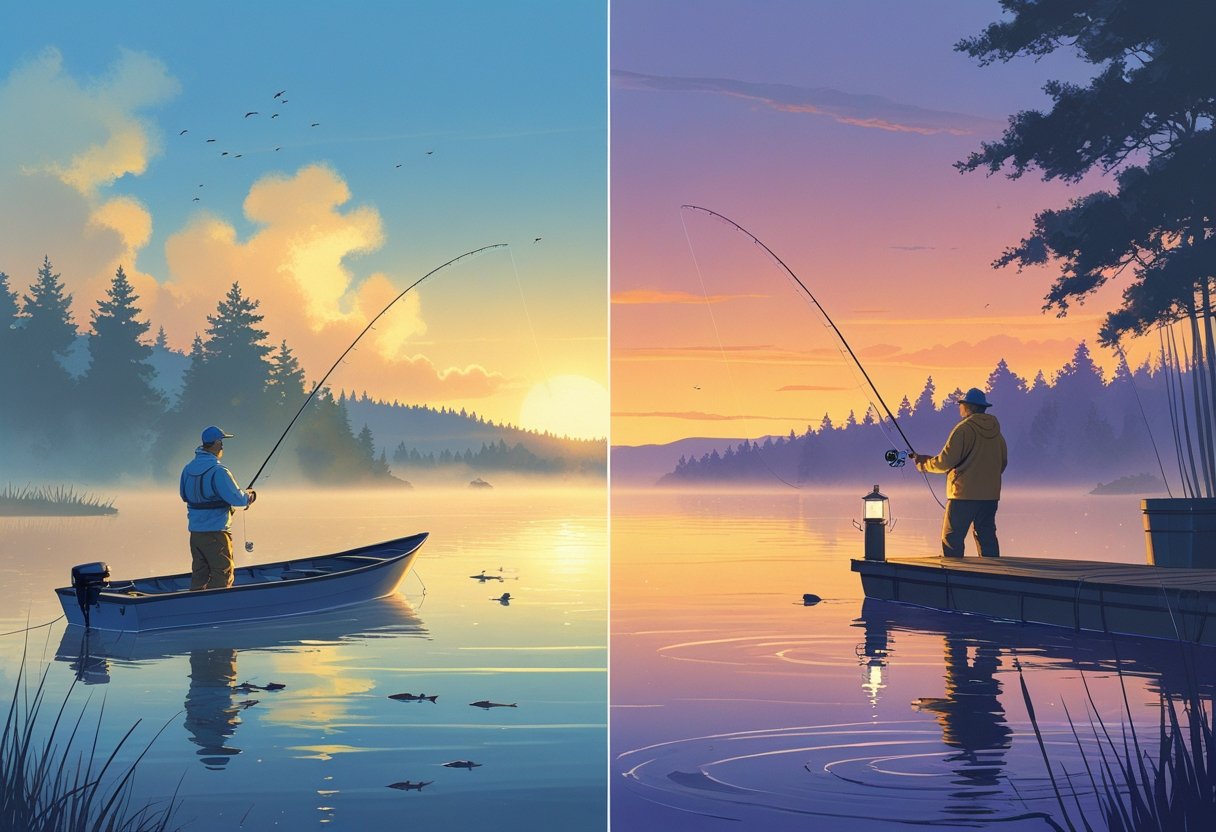
I’ve spent many busy weeks testing early casts at sunrise and quiet retrieves at sunset. Each time of day changes how fish behave and how I plan my approach. Water temperature, light levels, and even local activity can make a difference in how many bites you get.
This guide breaks down what makes morning and evening fishing unique and how to make both work for your schedule. Whether you head out before work or unwind after sunset, small changes in timing, bait, and technique can add up to more fish—and less wasted time.
Understanding the Best Time to Fish
I find that successful fishing depends on timing as much as skill. Fish behavior changes with light, temperature, and water movement, so I plan my outings around these natural shifts. Knowing how these factors interact helps me decide whether morning or evening offers the better chance for action.
Factors That Influence Fish Activity
From what I’ve seen, light level, food availability, and water movement shape when fish feed most. Most species become active during low-light periods—around sunrise and sunset—because they feel safer from predators. This “transition time” often delivers the highest bites per hour.
I also notice that each species reacts differently. Bass and trout respond strongly to changing light and temperature, while catfish often feed more after dusk. Season and water clarity matter too. Clear water may push fish deeper during bright daylight, but murkier conditions can stretch feeding time.
To make the most of limited fishing time, I check sunrise and moonrise tables. Lunar phases, particularly during a full or new moon, can increase feeding windows. Small adjustments based on these patterns often translate to better results.
How Water Temperature Affects Fishing
Water temperature controls fish metabolism and feeding rate. When the water warms gradually in the morning, fish move toward shallow areas to feed before retreating as the sun rises higher. In the evening, cooling water draws them back toward shorelines and structure.
Here’s a simple guide I use:
| Water Temp (°F) | Fish Activity Level | Common Behavior |
|---|---|---|
| Below 50 | Low | Slow, deep resting |
| 50–70 | Moderate to High | Frequent feeding near shallows |
| Above 75 | Variable | Seek shade or deeper water |
I pay attention to steady temperature changes instead of exact numbers. Sudden shifts—like cold fronts or quick warm-ups—often reduce strikes. Early morning or late afternoon usually gives the most stable range, which is why those times tend to be the best to fish.
Tides and Weather Considerations
When I fish coastal or tidal waters, tide changes determine everything. Fish feed most during rising and falling tides because moving water stirs up bait. I plan my trips around these periods, especially near structures where currents concentrate food.
Weather adds another layer. Cloud cover reduces glare, letting fish stay near the surface longer. Gentle winds improve surface oxygen and keep fish active, while strong winds or heat waves scatter them. I also watch barometric pressure. A slow drop before a storm can trigger short bursts of feeding, while sharp drops or post-storm conditions slow activity.
Monitoring both tides and weather conditions helps me choose not only when but also where to fish efficiently, even on a tight schedule.
Morning Fishing: Key Advantages and Tips
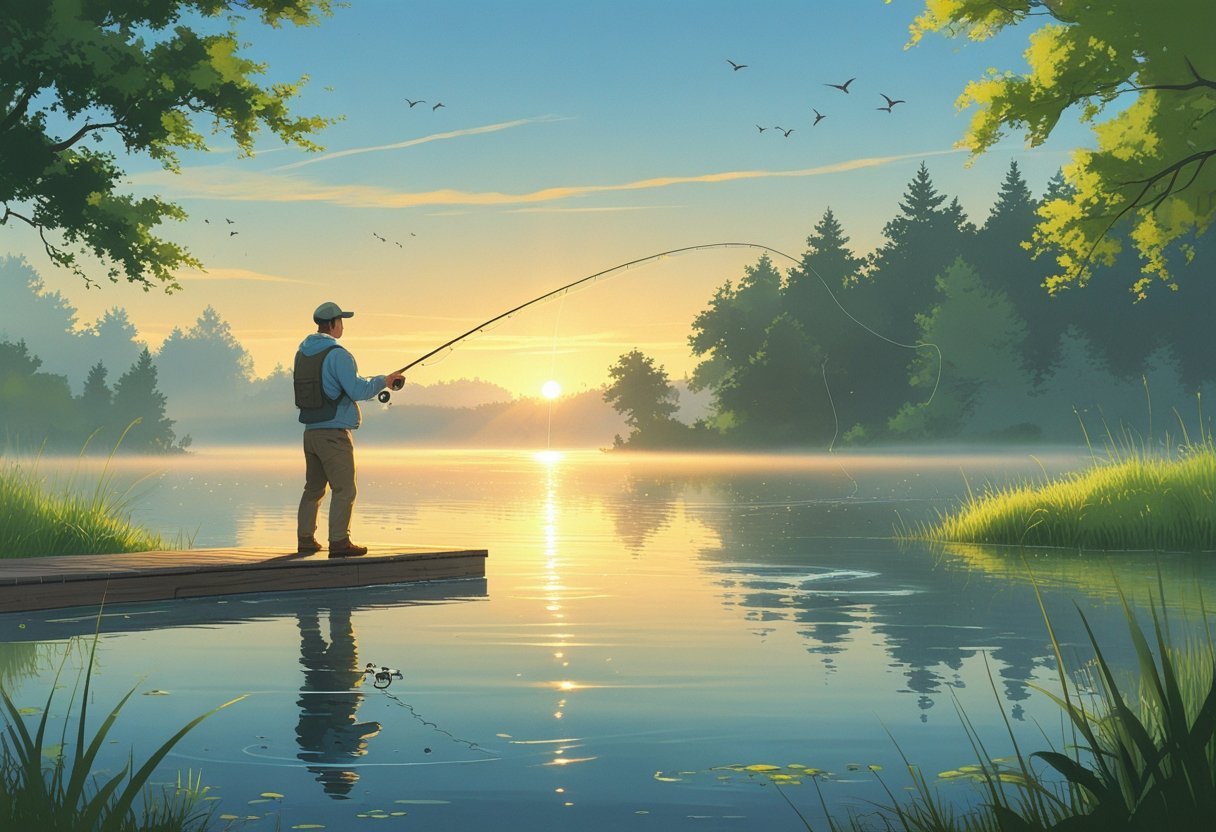
When I fish in the morning, I notice a clear difference in how active the fish are, how calm the water feels, and how quiet the environment becomes. Cooler temperatures and low light create favorable conditions that make each cast more productive and each bite easier to detect.
Increased Fish Activity at Dawn
At dawn, many species begin their daily feeding frenzy. The cooler water temperatures and lower light levels make fish feel safer leaving cover to hunt for food. I often see baitfish near the surface, which draws in predators like bass and trout.
This early activity gives me better odds of finding fish closer to shore or around structure. To take advantage, I use lures that mimic smaller fish, such as spinnerbaits or soft plastics. Slow and steady retrieval during these hours often works best.
I also keep my gear ready the night before so I can start casting as soon as I reach the water. The bite window right after sunrise can be short, so being prepared helps me make the most of it.
Leveraging Calm Waters for Better Catch Rates
Fishing in the morning often means calm waters before wind or boat traffic stirs up the surface. Smooth water helps me see ripples and subtle signs of fish movement more easily. It also lets topwater lures perform more naturally, making strikes easier to spot and react to.
When I fish from a boat, calm conditions allow for quieter movement and more accurate casting. I position myself upwind or upcurrent so I can drift slowly and cover more area without scaring fish.
The still water also improves bait presentation. I can use lighter lines and smaller lures without worrying about turbulence. These details often separate an average fishing trip from a successful one.
Serenity and Fewer Anglers on the Water
One of the main reasons I prefer early morning fishing is the peace it offers. Most people are still asleep, which means fewer anglers competing for prime spots. This quiet time helps me focus on technique and enjoy the natural surroundings.
I can listen for splashes or insect activity to locate fish without distractions. The reduced pressure on the water also means fish are less wary and more likely to bite.
For me, that serene start creates a calm mindset that sets the tone for the rest of the day. The combination of solitude and steady bites makes early morning fishing one of the most rewarding parts of my routine.
Evening Fishing: Opportunities and Challenges
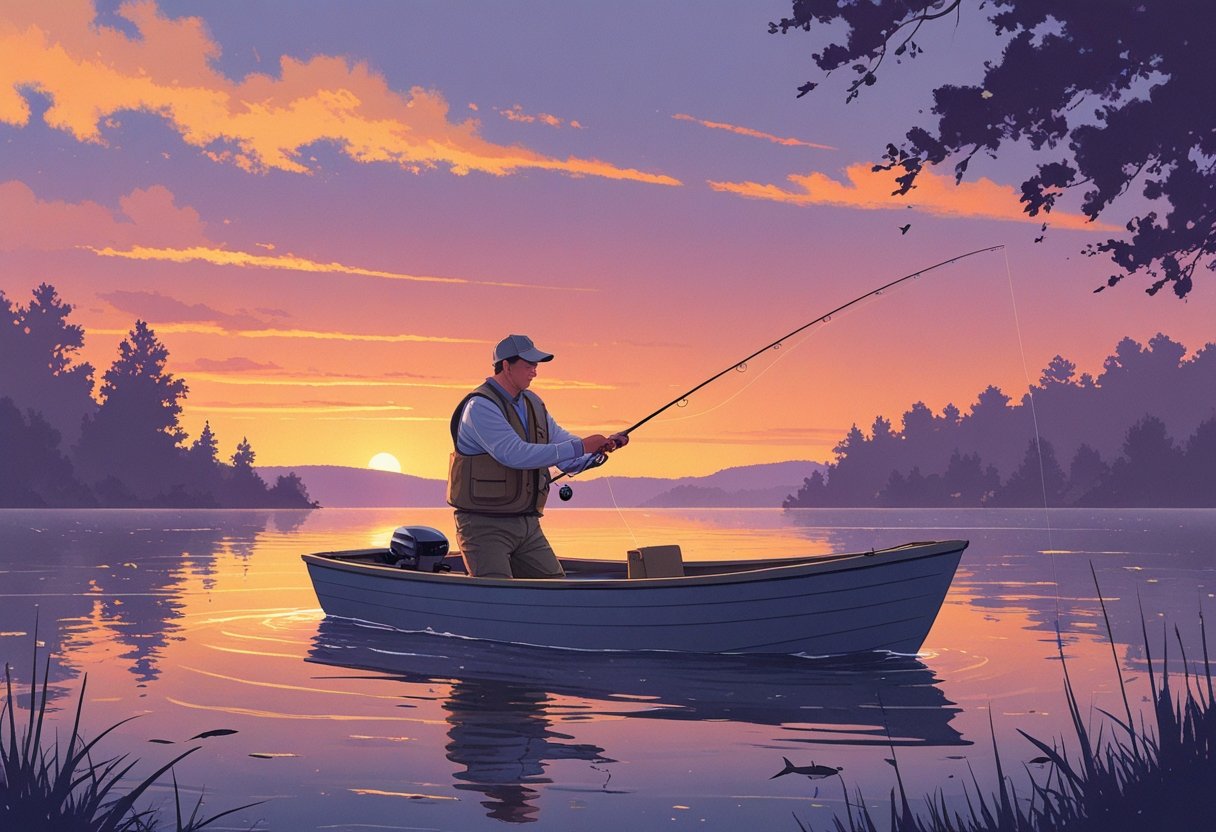
Fishing later in the day often brings cooler air, calmer water, and reduced crowds. I find it also demands careful adjustments to visibility, bait selection, and timing as light conditions change quickly near sunset. These shifts can create some of the most productive bites for those who know how to adapt.
Fish Feeding Patterns Near Sunset
As the sun starts to drop, water temperature often cools enough to spark renewed fish activity. Many species, such as bass or walleye, move closer to the shallows to feed before nightfall. I notice that baitfish gather near the surface or around structure, which draws in larger predators.
Feeding peaks usually occur within the hour before and after sunset. To take advantage, I match my lure choice to this short window—using topwater baits or slow-moving crankbaits that imitate wounded prey. Below is a quick reference:
| Time Frame | Common Behavior | Effective Approach |
|---|---|---|
| 1–2 hours before sunset | Fish move from deeper areas | Target edges of weed beds |
| Near sunset | Feeding surge | Use topwater or surface baits |
| After dusk | Bite begins to slow | Switch to darker lures or live bait |
By reading how fish respond as light fades, I can predict where and when they’ll strike.
Adapting to Visibility and Light Changes
Light drops fast after sunset, and visibility becomes one of the biggest challenges for an angler. I rely on polarized lenses early in the evening, but once the glare fades, I switch focus to sound and movement instead of sight. Fish use their lateral line more in low light, so I choose lures that vibrate or rattle to get attention.
Safety becomes more important at this stage. I keep a small headlamp and reflective gear to track my equipment. Since depth perception changes in low light, I simplify my tackle setup to avoid tangles. Using darker lures often helps, because they create clearer silhouettes in dim light against the sky.
Enjoying Tranquil Evening Environments
One reason I enjoy evening fishing is the calm atmosphere once daytime traffic leaves the water. The reduced noise and cooler wind make it easier to hear small splashes that signal active fish. This not only improves my focus but also makes the fishing experience more peaceful and precise.
Temperatures usually drop a few degrees, which can extend comfort during warmer months. I often plan a slower pace, casting less frequently but observing more carefully. The quiet gives me time to watch how fish respond and adjust my methods without rushing.
When I manage my light sources carefully and use simple gear setups, I find evening fishing both productive and relaxing, especially when the water reflects the fading colors of daylight.
Tactics for Busy Anglers to Maximize Every Trip
I focus on planning ahead, selecting efficient setups, and targeting the right areas to make every fishing trip count. With limited free time, it helps to stay organized, know where fish are likely feeding, and use strategies that let me fish effectively without rushing.
Efficient Gear Preparation and Planning
I keep my gear ready so I can start fishing quickly when I get the chance. Before leaving home, I check rods, reels, tackle, and line condition. I also make sure my bait and lures match the species I plan to target. A small checklist saves me time and keeps me from forgetting tools like pliers or extra hooks.
I store my gear in labeled boxes by type—soft plastics, hard baits, weights—so I can switch gear fast on the water. Pre-rigging a few rods for different setups helps when conditions change. I also review the weather and sunrise or sunset times to decide which hours give me the best opportunity.
Tip: Packing light but complete gear allows me to move quickly from one fishing spot to another without wasting time repacking or searching for items.
Choosing Ideal Fishing Spots
I focus on spots where fish activity is predictable. For limited-time trips, I rely on known productive areas—places I’ve logged from past success or local reports. Using maps or apps helps me locate structures like drop-offs, weed lines, or shaded cover where fish often feed.
I avoid exploring unfamiliar waters unless I have extra time. Instead, I rotate between a few trusted locations that produce results in morning or evening conditions. For instance, shallow areas may work better in the early morning when fish move closer to shore, while deeper zones can be stronger near dusk.
When pressured by time, familiarity increases efficiency. I spend less time searching and more time casting, which raises my chances of catching fish in a shorter window.
Making the Most of Limited Time
When I have only an hour or two, I stay focused on high-percentage tactics. I use lures that attract active fish quickly, such as spinnerbaits or topwater plugs during low light. If I’m fishing evening hours, I might shift to slower-moving baits when fish settle deeper.
I avoid overcomplicating my plan. Setting one or two target species per trip gives me structure and realistic goals. I also watch for changes in wind or light—they often signal short feeding windows I can take advantage of.
Efficiency equals attention. By adjusting pace, gear, and expectations, I can make even a short fishing trip productive and satisfying.
Selecting Techniques and Bait for Morning vs Evening
I adjust my fishing methods based on light levels, temperature, and fish behavior. The right technique and bait can make the difference between a few bites and a productive trip. Fish respond differently at dawn and dusk, so I focus on approach, presentation, and bait choice that align with those conditions.
When to Use Fly Fishing or Live Bait
I often use fly fishing in the morning when insects hatch near the surface and fish feed more actively in shallow waters. The cooler air and soft light make these hours perfect for presenting dry flies that imitate morning insect activity. Trout and bass often strike readily at this time, especially in clear, calm water.
In the evening, I lean toward live bait. As light fades, fish rely more on scent and movement than sight. Worms, minnows, or leeches that move naturally in low light conditions can trigger bites from species such as catfish or walleye. I also slow my presentation as fish become cautious at dusk. Matching bait movement to fish behavior helps maintain interest without overworking the lure.
| Time of Day | Preferred Method | Typical Target Species |
|---|---|---|
| Morning | Fly Fishing | Trout, Bass |
| Evening | Live Bait | Catfish, Walleye |
Matching Lures to Fish Behavior
I choose lures that fit fish feeding habits for each time of day. In the early hours, fish often chase fast-moving prey, so topwater lures, spinners, or poppers work well. The calm surface makes splashes or vibrations easy for active fish to detect.
By evening, I reduce the noise and flash of my lure. Fish tend to move to deeper or shaded spots, so I use soft plastics or slow-moving jigs. These mimic bottom-dwelling prey and attract fish looking for an easy meal. I also prefer darker colors at dusk, which create better silhouettes against fading light.
Consistency in retrieval speed and rhythm keeps lures appearing natural. When feeding slows, I pause between movements to imitate injured prey, which often draws strikes from opportunistic fish.
Adapting to Changing Conditions
I monitor weather and water changes throughout the day. Rising temperatures can push fish deeper, while wind or cloud cover may extend surface activity longer than expected. Adjusting bait and depth helps match these shifts.
If the morning stays cool, I continue fishing shallow zones using lighter gear. But when the sun climbs and water warms, I switch to weighted rigs or drop-shot setups to reach active fish below.
During evening sessions, fading light and cooler air often revive surface action. A soft-plastic lure near vegetation or structure can attract fish returning to feed before nightfall. I stay flexible, testing a few patterns until I find what triggers strikes.
Seasonal and Environmental Considerations
I adjust my fishing approach throughout the year because water temperature, weather patterns, and daylight hours affect where and when fish feed. Sudden changes in weather or season can shift fish behavior, so I plan my outings around these natural cycles for the best results.
How Seasons Impact Fish Behavior
I’ve noticed fish respond strongly to seasonal water temperature changes. In spring, fish become more active as the water warms, often moving into shallower areas to feed and spawn. During summer, I look for shaded or deeper spots since warm water holds less oxygen, and fish tend to slow their activity.
In fall, cooler temperatures lead to a short feeding frenzy as fish prepare for winter. This period often provides some of the best action of the year. When winter sets in, fish move deeper where the water remains stable. Their metabolism slows, so I use smaller baits and slower retrieves.
| Season | Common Behavior | Preferred Locations |
|---|---|---|
| Spring | Active feeding, spawning | Shallow or near cover |
| Summer | Reduced activity in heat | Deep, shaded waters |
| Fall | High feeding activity | Mid-depth or transitional zones |
| Winter | Limited movement | Deep, stable areas |
Understanding these changes helps me predict where to cast and what techniques to use.
Special Tips for Hot and Cold Days
When it’s hot, I fish early in the morning or around sunset. Cooler surface temperatures and low light make fish feel safer and more active. I also choose water with light wind or shade to keep the bite going longer. Soft plastics or topwater lures can work well before the heat sets in fully.
On cold days, patience is key. I slow my presentation and use smaller lures that match what sluggish fish will strike. Clear skies and calm water can make fish cautious, so I often focus on deeper structure with stable temperatures. Layering my clothing and keeping my hands dry also improves the overall fishing experience, letting me stay focused regardless of the cold.