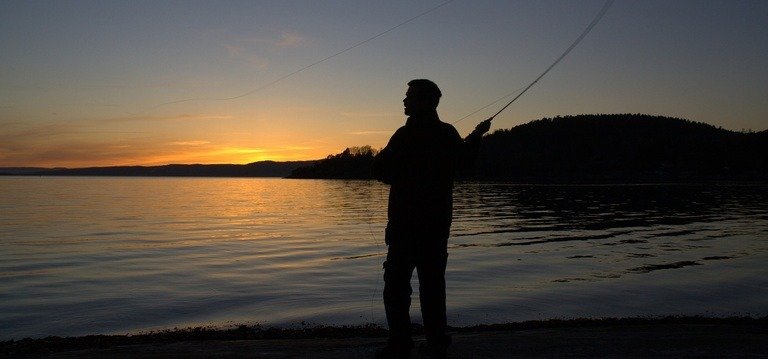
Good manners on the water come down to two things: give other anglers enough room to fish, and leave the spot in better shape than you found it. Practice fishing etiquette by spacing yourself well beyond another angler’s casting range, asking before you set up nearby, following your state’s fishing laws, packing out every scrap of line and trash, and keeping kids supervised and close. Do those five things and you will rarely have an awkward moment at a pond, river, or dock.
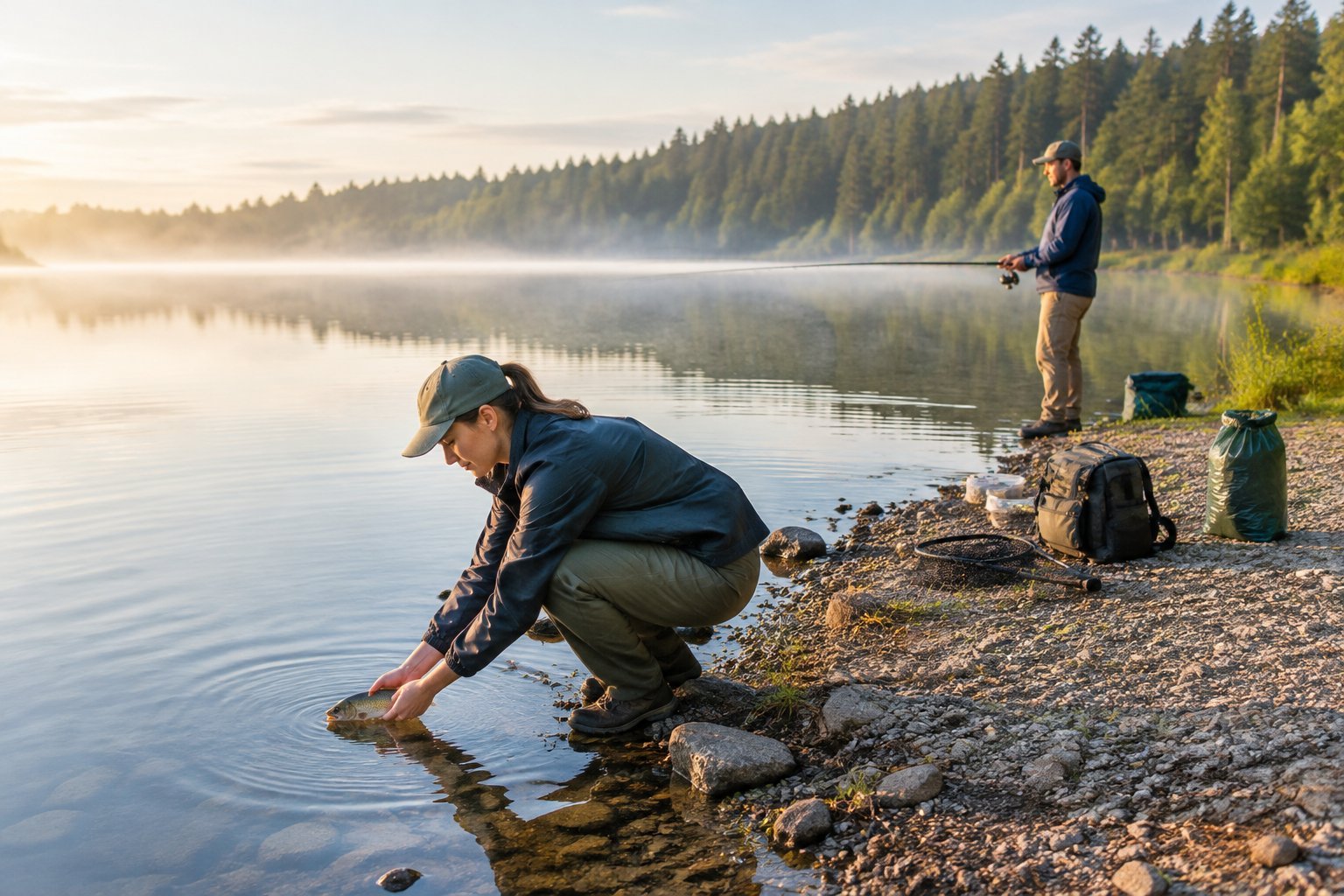
Some of these rules are courtesy, and some are law that can cost you a fine. Knowing which is which keeps your fishing trip calm, legal, and friendly, whether you have all afternoon or just 30 minutes after work.
How Much Space Should You Give Other Anglers?
Give other anglers more room than their longest cast, and add extra space on rivers where people move as they fish. A quick friendly question settles most spacing doubts before they turn into tangled lines.
Leave Room for Casts, Drifting Lines, and Hooked Fish
Watch how far the other person casts before you pick your spot. If their lure lands 40 feet out, set up well outside that circle so your lines never cross.
Think about drift too. On a river, a bobber or bait moves downstream, so the space you need below someone is bigger than the space above them. One fly fishing rule of thumb is at least two rod lengths if you fish above someone and three if you fish below. That is a bare minimum on a crowded stream.
On quieter water, the gap grows fast. Some guides on busy Western trout rivers aim for about 150 yards between wading anglers who are not in the same group. For shore fishing at a pond, a good test is simple: if a hooked fish on their line could swim toward your line, you are too close.
Ask Before Approaching or Fishing Beside Someone
Walking up and fishing right next to someone without a word is the fastest way to start a bad day. Fly anglers call it “hole-jumping,” and nobody likes it.
A short question fixes this:
- “Mind if I fish down past that tree?”
- “How far up the bank are you heading?”
- “Is it okay if I start below you?”
Most anglers appreciate being asked. You also learn what they are doing, and sometimes you pick up a tip about what the fish are biting. If they say they would prefer the space, thank them and move on. Plenty of water exists.
Avoid Cutting Ahead of Anglers Working Along a Bank or Stream
Many anglers move as they fish. On streams, people often start at the top of a run and work downstream, casting as they go.
Stepping in just below them is called “low-holing.” It cuts them off from water they planned to fish. Enter upstream of the person who was there first, or behind them, and wait your turn if needed.
When wading, walk behind other anglers on the bank, away from the water. Sloshing through the stretch they are fishing spooks their fish.
Which Rules Are Courtesy, and Which Are Local Law?
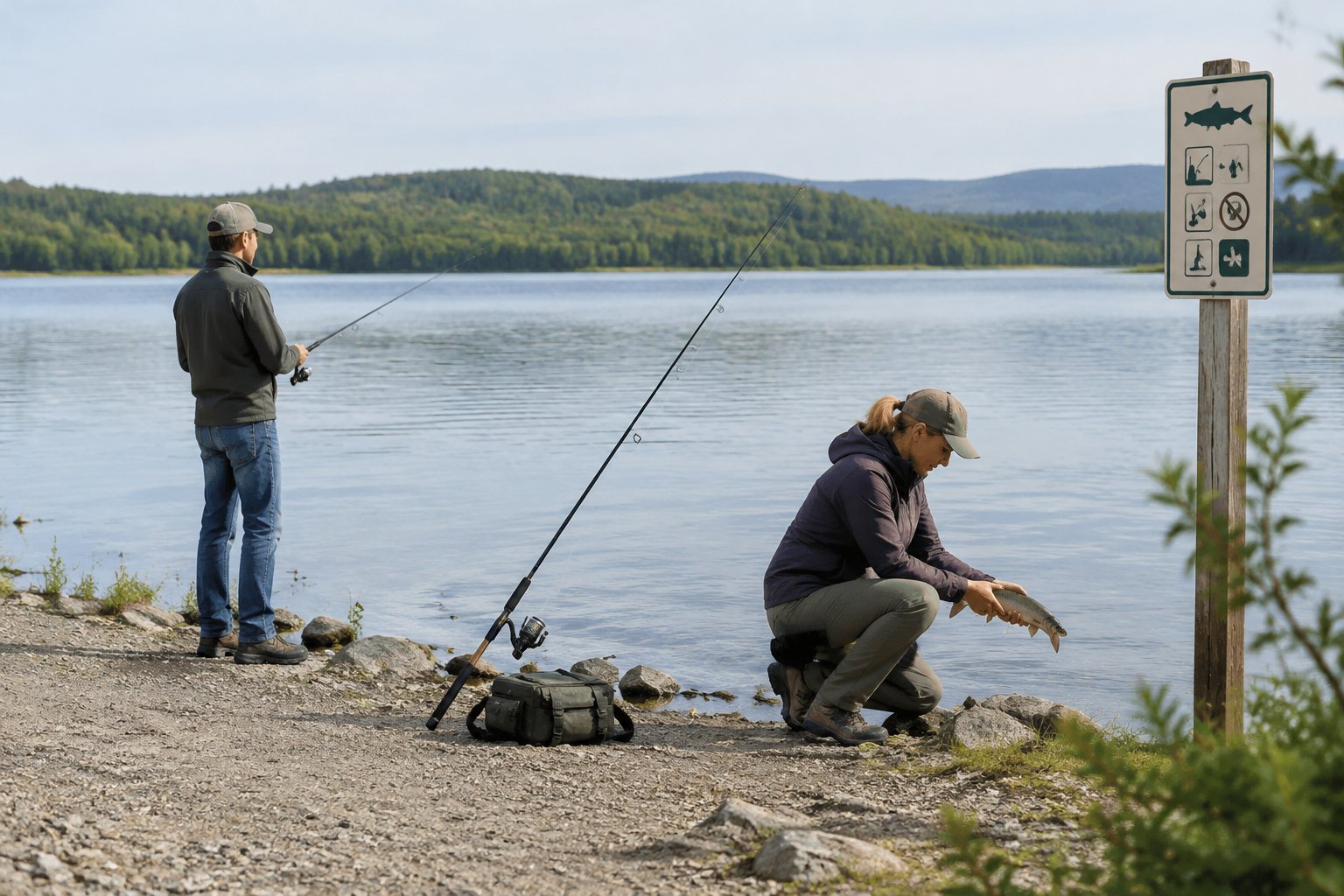
Spacing, noise, and taking turns are courtesy; licenses, fish limits, and trespassing are law. Courtesy keeps the peace, while breaking the law brings fines and hurts fish populations.
| Courtesy (unwritten) | Law (written and enforced) |
|---|---|
| Giving casting room | Having a valid fishing license |
| Asking before setting up nearby | Size, bag, and catch limits |
| Keeping voices low | Legal baits, lures, and seasons |
| Moving quickly at the ramp | No trespassing on private land |
Check Fishing License Requirements and Water-Specific Restrictions
Nearly every state requires a fishing license once you reach a certain age. The age cutoff and fees change from state to state, so check your state wildlife or DNR website before you go.
Some states also require a license for adults who help kids fish, even if the adult never holds a rod. Nebraska is one example.
Individual waters can have their own rules. A lake might ban live bait, a stream might be artificial-lures-only, or a spawning area might close part of the year. Ten minutes on your state’s regulation page before a new spot is enough. Neighborhood ponds count too, so learn how to fish retention ponds legally before you cast at one.
Understand Size Limits, Bag Limits, and Catch Limits
These limits protect the fish so there are more to catch next year.
- Size limits set how long a fish must be (or must not be) for you to keep it.
- Bag limits set how many fish of a species you can keep in one day.
- Catch limits on some waters cap the total you can catch or possess.
Limits change by species and by body of water. Stocked waters often have their own daily numbers, which is worth checking when you go fishing for stocked trout. Carry a small tape measure or a ruler sticker on your tackle box so you can check length fast.
Respect Private Property, Posted Signs, and Access Boundaries
“No Trespassing” and “No Fishing” signs mean what they say. In many places, standing in a stream that runs through private land still counts as trespassing unless you have permission.
Business ponds fall in the same gray area for a lot of anglers. If you want to fish near your job, read up on how to fish office park ponds and ask the property manager first.
Close any gate you open. Park only in marked spots. One careless angler can get a whole access point closed for everyone.
How Do You Share Banks, Docks, and Boat Ramps?
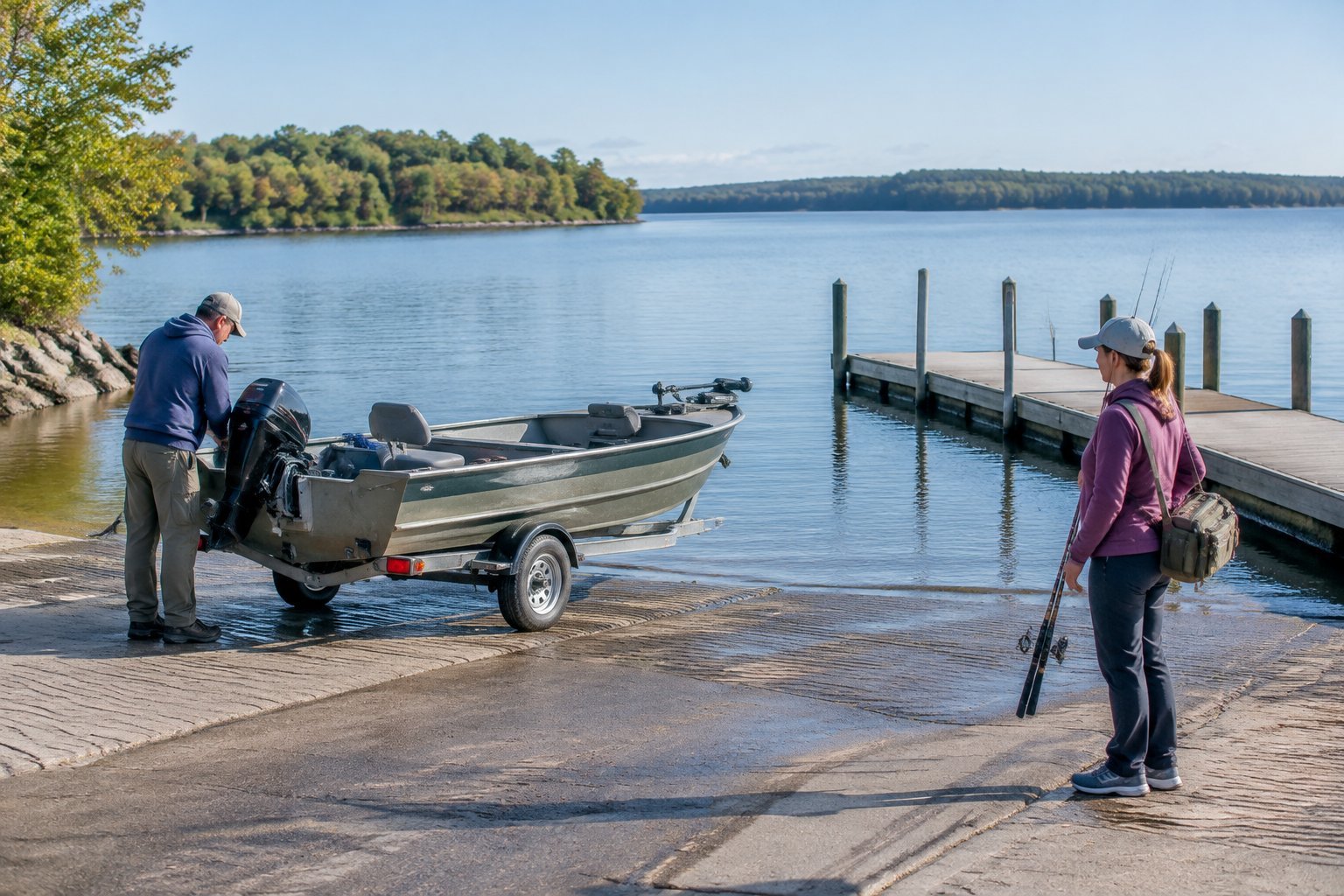
Share busy spots by staying compact, moving fast at the ramp, and keeping your noise and wake down. Small habits like looking behind you before a cast prevent most accidents.
Keep Walkways Clear and Check Behind You Before Casting
Docks and fishing piers are narrow. Keep your fishing gear in one tight pile, not spread across the walkway. Rods leaning against a railing get kicked, and open tackle trays get stepped on.
Before every cast, look over your shoulder. Joggers, kids, and dog walkers pass behind anglers all day. A hook in a stranger’s ear is a fast way to end a trip.
If you bring a seat, a small folding one like the best fishing chair for quick trips takes up less space than a big camp chair and leaves room for others on the bank.
Prepare Before Entering the Launch Queue
The ramp is for launching and loading only. Do all your prep in the parking lot first:
- Load rods, coolers, and life jackets.
- Remove tie-down straps (but keep the winch strap hooked).
- Put in the drain plug.
- Attach your bow and stern lines.
Then pull into line. A good target is under five minutes on the ramp. Stay in one lane, and turn off your headlights while backing down at night so you don’t blind other drivers. When you come back, pull off the ramp before you strap down and clean up.
Control Noise, Wake, and Disturbance Around Others
Sound travels far over calm water. Keep voices low and music off near other anglers.
For boat fishing, give anglers 200 to 300 feet when you pass, and never less than 100. One boating tip is to pass at a steady speed with a small wake, which rocks people less than slowing down and plowing a big one. When floating a river past someone wading, take the far side and lift your lines out of the water until you’re past their spot.
How Can Parents Teach Kids Good Manners While Fishing?
Kids learn fishing manners best from a calm spot, clear boundaries, and watching you do it right. Keep the rules few and easy to remember, and keep the trip short and fun.
Choose an Uncrowded Spot and Set Simple Casting Boundaries
Pick a quiet bank with open space behind you. Young kids cast in every direction, so put plenty of room between your family and other anglers. Good spots also have bathrooms nearby and a place to run around when attention fades.
Give kids one or two clear rules:
- “Only cast toward the water in front of you.”
- “Stay between this rock and that tree.”
Short trips help too. Young kids lose focus in minutes, and fun with fishing with kids comes from quick action, like bluegill on a worm and bobber.
Supervise Hooks, Casts, and Movement Near the Water
Hooks and rod tips are the biggest dangers. Stand next to new casters and watch the backswing. Use a single small hook (barbless is best) and skip treble hooks until they have more practice.
Leave your own rod in the truck for the first few trips. Your job is to tie knots, bait hooks, and help land fish. A kid-sized net, like one from the best fishing net for kids, keeps little hands busy and fish off the rocks.
Put life jackets on young children near steep or slippery banks, and on everyone in a boat.
Model Asking Permission, Apologizing, and Giving Others Room
Kids copy what you do. Let them hear you ask, “Is it okay if we fish here?” before you set up.
If your child tangles someone’s line, help them say sorry and fix it together. That one moment teaches more than a lecture. Show them how to pick up litter, including trash that isn’t yours, and explain why you only keep fish you will eat.
Leave the Water Clean and Treat Fish With Care
Pack out everything you bring and handle every fish gently so it swims away strong. Trash and rough handling hurt wildlife and give anglers a bad name.
Pack Out Line, Hooks, Bait Containers, and Food Waste
Old fishing line is the worst litter on a bank. Birds and turtles get wrapped in it and die. Stuff cut line in your pocket or a small zip bag until you find a line-recycling tube or trash can.
Take home empty bait cups, lure packages, drink cans, and snack wrappers. If you pack a meal for a long sit, our notes on eating while fishing help you keep food and wrappers contained. Dump unused worms in a trash can or take them home; dumping bait can spread non-native species in some waters.
Use Proper Fish Handling for Catch and Release
Good catch and release starts with a quick fight. Bring the fish in fast so it doesn’t wear out.
- Wet your hands before touching the fish.
- Keep it in the water as much as you can.
- Support its belly and never squeeze or touch the gills.
- Have your phone ready before lifting it for a photo.
Some states require certain fish to stay in the water during release, so check local rules. Our guide on how to unhook a fish covers the hook removal step by step.
Prepare Release Tools and Consider Barbless Hooks
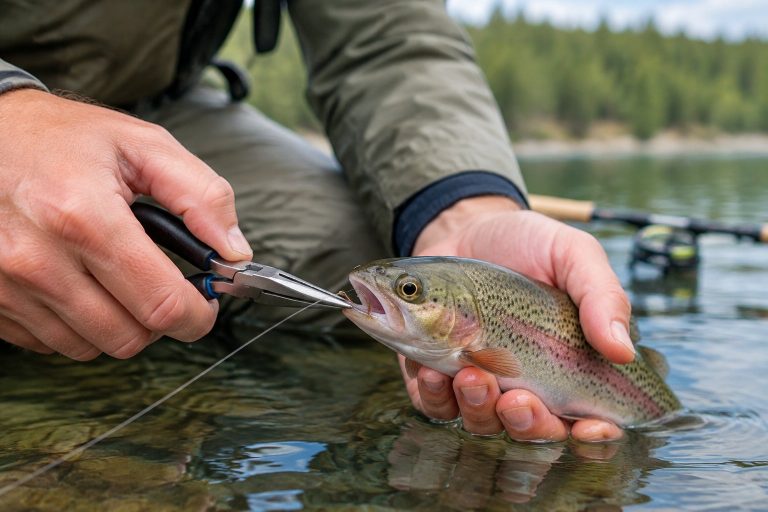
Keep pliers or forceps clipped to your shirt or bag, within reach. Digging through a tackle box while a fish gasps on the bank wastes time it can’t afford.
Barbless hooks, or barbs pinched flat with pliers, slide out in seconds. They are safer for kids too. If a fish swallows the hook deep, cut the line close to the hook and release it.
Keep Only Legal Fish You Will Use and Dispatch Them Humanely
Keep fish only within the legal size and bag limits, and only what your family will eat. Leaving fish to suffer in a bucket is poor form.
If you plan to keep a fish, put it on ice right away or dispatch it quickly with a firm blow to the head just above the eyes. Clean fish at a station or at home, and never leave guts on a public dock.
Make Every Quick Trip Considerate
Good manners fit any trip, even a 30-minute stop on the way home from work. Before you cast, check your license and the local limits. When you arrive, look around, ask before setting up near someone, and leave room for their casts.
While you fish, keep gear tight, check behind you, and watch kids closely. When you leave, take your line and trash with you and close any gate you opened. If you only have a short window, our tips on how to catch fish quickly in 30 minutes pair well with these habits.
Get your gear ready and explore the related beginner-friendly guides before your next trip.