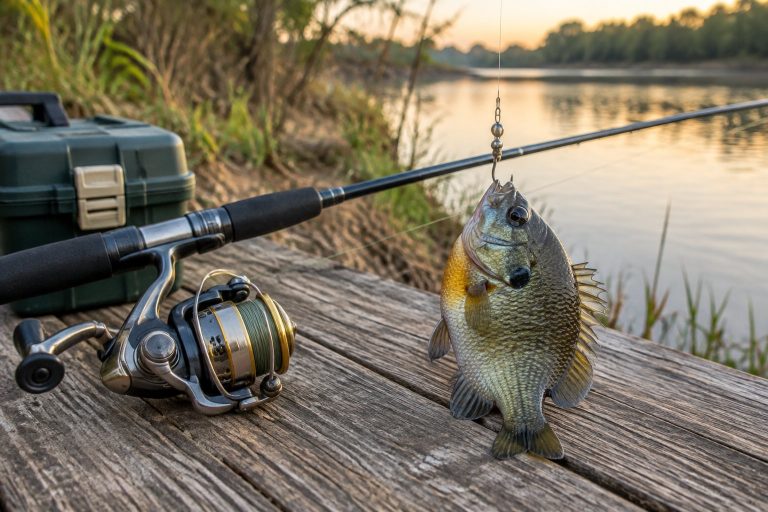
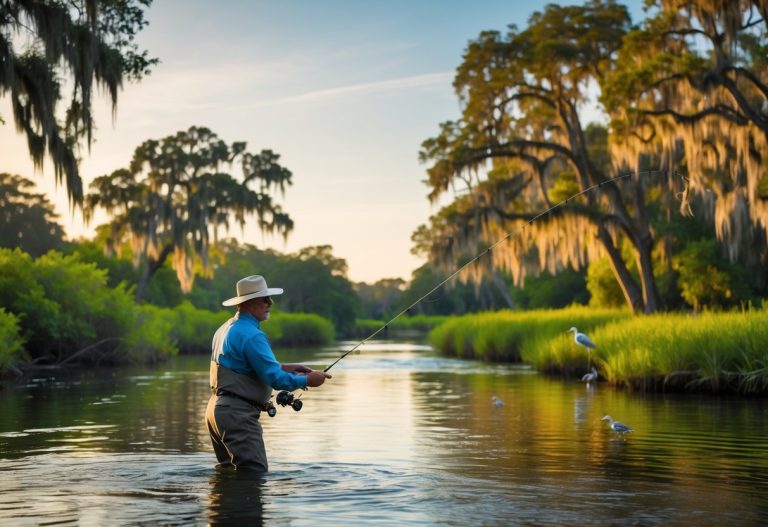
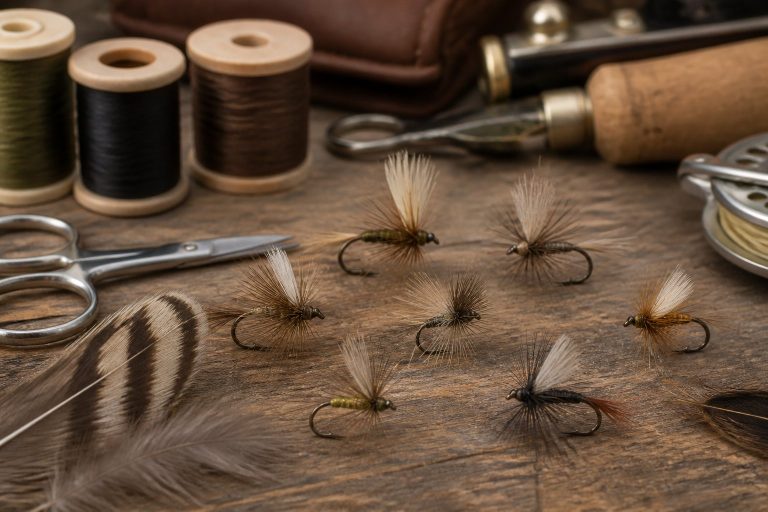
Fishing doesn’t have to take all day. With the right strategy, anyone can put a bend in the rod in less than half an hour. Catching fish quickly in 30 minutes starts with knowing where they feed, using simple gear, and choosing baits that trigger fast strikes. Success comes from smart preparation rather than luck.
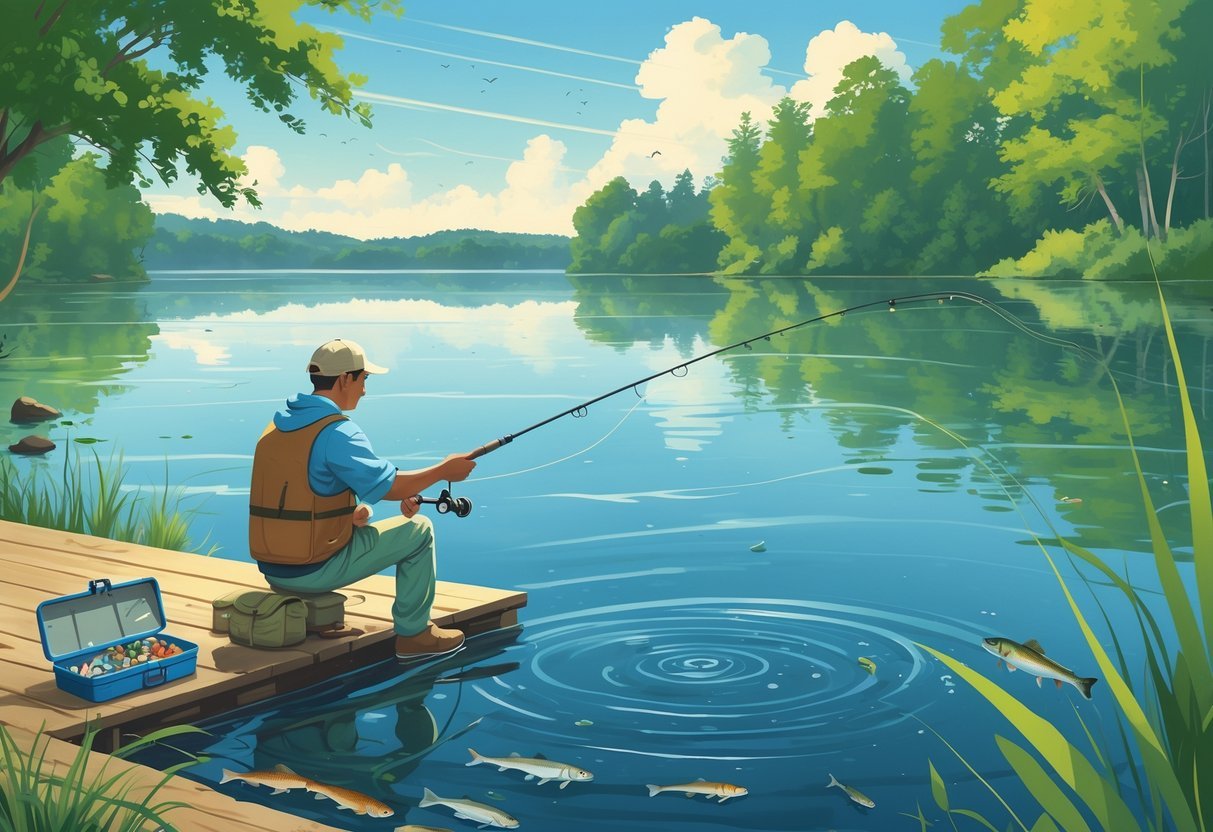
Many anglers waste time on the wrong spots or use setups that slow them down. By learning a few time-saving techniques, using reliable gear, and understanding how fish respond in different conditions, they can catch more fish in less time. Each method covered here focuses on efficiency—from bait choice to positioning—to help make every minute on the water count.
This guide breaks down quick, proven steps for faster results, covering smart fishing approaches, effective lures, and expert tips that lead to consistent catches. Whether fishing from shore or a boat, the right plan can turn a slow start into quick action.
Time-Saving Fishing Strategies
Smart anglers shorten their learning curve by preparing before they cast. They read the water, use tools that speed up their search, and make quick adjustments when fish don’t bite. These steps let them spend less time guessing and more time catching.
Choosing the Right Location Fast
Selecting the right spot is the foundation of efficient fishing. Anglers save time by checking maps, water temperature, and structure before launching. Warm zones, shaded banks, and areas with current often hold active fish. Using sonar or GPS helps target drop-offs, weed lines, and other high-probability spots.
Fishing pressure also matters. When a lake is crowded or conditions change, fishing off-peak hours such as midmorning or during light rain can yield better results. Fish stay in predictable patterns, so focusing on seasonal movement—like prespawn staging areas near shallow flats—helps cut wasted time.
A quick checklist helps anglers act fast:
- Temperature check: Find warmer or cooler water, depending on target species.
- Structure check: Identify cover such as rocks, docks, or grass beds.
- Access check: Choose spots easy to reach and move between.
Locating Feeding Fish Quickly
Active, feeding fish reveal themselves through clues such as surface splashes, baitfish schools, or bird activity. Observant anglers watch for these signs before even casting. Polarized sunglasses help them see movement under the surface and track shifts in light or water clarity.
Electronics provide another edge. Depth finders can display bait clusters or suspended fish. Smart anglers scan multiple depths with different lures—crankbaits, jerkbaits, or spinnerbaits—to learn how fish react. Covering ground with search-style lures produces reaction bites and allows pattern recognition within minutes.
When one bite happens, anglers keep track of location, lure, and depth. That information narrows the pattern and helps repeat success nearby, rather than starting from scratch elsewhere.
Eliminating Unproductive Water
Eliminating water that doesn’t produce bites saves the most time. Skilled anglers move frequently and avoid staying longer than 10–15 minutes without feedback. Fast-moving techniques like lipless crankbaits or spinnerbaits allow them to test spots quickly while still giving each area a fair chance.
They change lure colors or retrieve speeds before moving but avoid overanalyzing small details. Precision matters more than speed alone—every cast should target visible structure or transition zones.
Tracking results mentally or on a small notepad helps. Areas that fail to show signs of life—no bait, no bites, no activity—get dropped from the rotation. This systematic approach keeps anglers focused on places where fish are active and feeding, helping them catch more fish in less time.
Essential Gear for Rapid Results
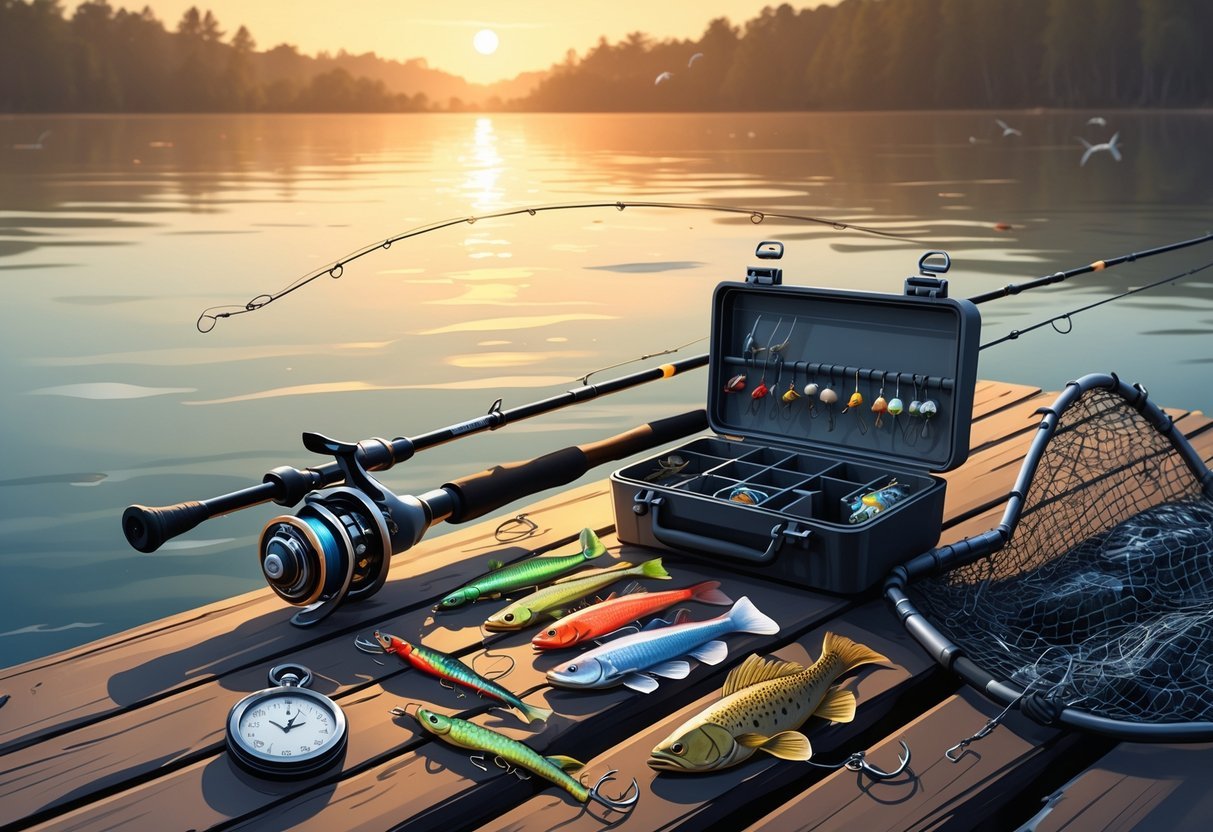
Successful anglers prepare with equipment that works fast and performs well under time limits. The right rod, reel, rig, line, and tackle allow them to begin fishing within minutes and quickly locate feeding fish. Reliable gear also reduces wasted time fixing tangles or switching setups.
Quick-Setup Rod and Reel Choices
A balanced setup helps reduce preparation time. Anglers often choose a medium-action spinning rod paired with a 2500–3000 size reel. This combination casts a variety of lures with accuracy and retrieves smoothly. A spinning reel is easier for most users to manage when urgency matters.
For quick fishing trips, telescopic or two-piece rods save space and assemble in seconds. Many anglers favor graphite or composite rods because they are lightweight and sensitive, allowing faster hooksets. A simple side note: avoid rods longer than seven feet when fishing from shore or tight spots since shorter rods handle better.
When time is short, pre-spooled reels with 10–15 lb braided line work well. Braided line improves sensitivity, allowing anglers to detect small bites immediately. Keeping an extra reel or spool ready lets them switch techniques without re-rigging.
Simple and Effective Rigs
Simple rigs increase efficiency and reduce setup time. A basic Texas rig, inline jighead, or paddle tail soft plastic can cover most fishing conditions. These rigs are fast to tie and versatile across species like redfish, trout, and bass.
For a quick fix, storing pre-tied leaders with hooks attached saves several minutes on the water. Anglers can swap rigs instantly instead of fumbling with knots. Table 1 provides easy rigging ideas:
| Rig Type | Best Use | Setup Time | Notes |
|---|---|---|---|
| Texas Rig | Weed areas, mixed cover | 1–2 min | Great for soft plastics |
| Jighead + Paddle Tail | Open water, flats | 1 min | Natural swimming action |
| Drop Shot | Deeper zones | 2 min | Sensitive to light bites |
Using minimal components—hook, sinker, lure—keeps things efficient. The simpler the setup, the faster fish get hooked.
Selecting the Best Line and Tackle
Fishing line and tackle have a direct impact on speed and success. Braided line offers low stretch, high sensitivity, and strong hooksets. Pairing braid with a short fluorocarbon leader makes the setup less visible underwater.
For lures, quick-acting models such as paddle tails and shrimp imitators produce instant results. Golden or shad colors often catch attention in mixed water conditions. Keeping a compact tackle box with a few tested lures reduces decision time.
Essential tackle for rapid sessions includes:
- 2–3 soft plastic lures (different colors)
- A few jigheads (1/8–¼ oz)
- Pre-tied leaders
- Split shot sinkers and swivel snaps
These tools let anglers adapt fast without slowing down their rhythm.
Best Baits and Lures for Fast Action
Selecting effective bait and lures saves time and raises the chance of hooking active fish quickly. Matching the presentation to water movement, species, and strike behavior helps anglers make the most of every cast.
Live Bait Versus Artificial Lures
Live bait attracts fish through scent, vibration, and natural movement. Shrimp, minnows, and pilchards are popular for saltwater fishing, especially when targeting species like redfish or snook. These baits send natural signals that trigger feeding reflexes, even in cooler or murky water.
Artificial lures mimic live prey and allow quick changes in depth and retrieve speed. Anglers can switch between crankbaits, spinnerbaits, or soft plastics to cover more water in less time. Using artificial lures also eliminates the time spent catching or maintaining live bait.
| Bait Type | Advantages | Best Use |
|---|---|---|
| Live Shrimp | Real scent and movement | Inshore saltwater |
| Soft Plastic Paddle Tail | Works in fast retrieves | Murky or shallow water |
| Crankbait | Covers wide areas fast | Lakes and deeper edges |
When time is limited, artificial lures provide speed and control, while live bait offers the edge in natural attraction. Fishing conditions often determine which delivers faster results.
Top Lures for Inshore Success
Inshore anglers rely on quick-working lures that draw strikes fast. A paddletail swimbait rigged on a jighead is effective for redfish, trout, and snook because it maintains action even in current. A ¼-ounce jighead helps the bait reach the strike zone quickly and stay there.
Topwater plugs perform best during early morning or dusk when fish feed near the surface. Their splashes and rattles trigger reaction bites in shallow flats. Spoons and spinnerbaits also excel in windy or stained water where visibility is reduced.
For redfish and snook, a natural-colored soft jerkbait or gold spoon is dependable. These lures imitate the flash of small baitfish. Anglers should vary retrieve speed and direction to test fish aggressiveness while keeping casts short and targeted.
Quick Bait Presentation Techniques
Getting a bite fast depends on how well the bait is presented. Fast retrieves with short pauses often provoke reaction strikes from active predators. Varying the rhythm helps determine the best trigger pattern for each spot.
When fish hold deeper, anglers can use a “yo-yo” motion—lifting and dropping the rod tip to move the lure vertically. This mimics wounded prey and works well with jigs or spoons. For topwater baits, twitching the rod in quick bursts makes the lure dart side to side, keeping fish interested.
Adjusting lure color for water clarity also speeds up success. Use bright or chartreuse tones in cloudy water, and switch to silver or natural hues in clear conditions. Keeping gear organized and ready reduces setup time and allows efficient lure changes under changing conditions.
Smart Inshore Fishing Approaches
Inshore fishing success depends on recognizing how natural forces move bait and fish, then adjusting tactics to match. Skilled saltwater anglers use tide cycles, water features, and current conditions to locate feeding zones and present lures accurately.
Reading Tides and Structure
Tides control how water flows over flats, channels, and oyster bars. Fish often follow that movement to feed where bait is pushed by current. When the tide rises, redfish and snook spread across grassy shorelines or mangroves; during the fall, they retreat to troughs and drop‑offs.
Smart anglers check a tide chart and plan to fish the last two hours of incoming or the first two of outgoing water. Those periods create stronger current, which concentrates baitfish and triggers feeding.
Structure plays a similar role. Bridges, rock piles, and docks offer shade, protection, and steady current. To catch fish quickly, anglers position upcurrent and cast past the structure, letting the lure sweep naturally through the strike zone. Using tools like Smart Fishing Spots or local mapping apps helps identify these productive areas before launch.
Quick tips:
- Target intersections where shallow flats meet deeper channels.
- Look for moving water that carries visible bait.
- Avoid completely slack tides when fish activity drops.
Adjusting to Weather and Conditions
Weather shifts can change feeding patterns within minutes. Wind direction often decides where clear or muddy water forms, and fish usually prefer cleaner edges to ambush prey. Calm mornings may call for lighter line and smaller lures. In choppy water, anglers can switch to heavier jig heads or paddle tails for stronger vibrations.
Cloud cover affects light and fish position. On bright days, they hold tight to cover; under clouds, they roam freely. Tracking water temperature helps too—warm water speeds up feeding, while sudden cold fronts slow it down.
Experienced anglers make small, fast adjustments:
- Increase lure speed in warm, windy conditions.
- Slow retrieves and fish deeper after rapid temperature drops.
- Anchor quietly or use a trolling motor to stay steady in shifting wind.
By paying attention to these small environmental details, inshore anglers improve their chances of locating and catching fish within minutes of arriving on the water.
Expert Resources to Improve Fast Fishing

Accurate data, expert insights, and structured learning help anglers shorten the time it takes to locate and catch fish. Trusted tools like weekly reports, insider programs, and focused training materials make it easier to plan trips and make better use of every minute on the water.
Leveraging Weekly Fishing Reports
Weekly fishing reports give anglers updated details on fish movements, feeding behavior, and local water conditions. These reports often include trend breakdowns, helping them identify where and when specific species are most active.
Using a reliable source, such as Salt Strong’s Weekly Newsletter or Smart Fishing Spots system, anglers can compare patterns across regions. This helps them avoid unproductive areas and focus on locations known for recent catches.
A good report usually includes:
| Information Type | Purpose |
|---|---|
| Weather and tide patterns | Predict feeding times |
| Recent catch data | Identify active species |
| Water clarity and temperature | Match proper lure and depth |
| Seasonal notes | Adjust tactics in advance |
By interpreting this information and applying it quickly, anglers increase their catch rate during short outings, even with limited time on the water.
Benefits of Joining Insider Clubs
An insider club connects anglers to a network of coaches, fellow members, and specialized content. The Salt Strong Insider Club, for example, offers video lessons, lure discounts, and detailed fishing maps through its Smart Fishing Spots feature.
Members get updates on current fishing conditions through weekly emails and direct access to community feedback. They can review spot dissection videos that explain why certain areas attract fish under specific weather and tide patterns.
The benefits extend beyond learning. Insider programs often provide tackle savings, quick access to local chapters, and mentorship opportunities. These features help anglers act on proven strategies instead of trial and error, saving both time and resources during 30-minute fishing sessions.
Using the Inshore Fishing Manifesto
The Inshore Fishing Manifesto offers a structured overview of the key principles behind effective coastal fishing. It explains how to study tides, choose reliable gear, and use artificial lures like paddle tails or prawns efficiently.
Readers use it as a compact reference before each trip. The guide promotes habits such as checking feeding zones, adjusting lure colors, and maintaining consistent retrieval speeds.
Unlike long courses, this manifesto focuses on actionable steps. Its checklist format helps anglers make quick decisions without guesswork. By reviewing it regularly, both beginners and experienced fishermen reinforce core techniques that lead to faster catches in changing inshore environments.
Quick Tips to Boost Your Success Rate
Anglers improve their catch rate by reading conditions, reacting quickly to changes, and avoiding habits that waste time or scare fish. With steady focus on technique and awareness of surroundings, they can catch fish faster and make each cast count.
Adapting Tactics When Bites Slow
When bites stop, smart anglers modify their approach instead of waiting. They may change bait color, lure size, or retrieve speed to trigger interest. For example, switching from a spinning lure to live bait often attracts fish that have become cautious.
Fish respond to environmental cues such as light, temperature, and current. If the water cools or clouds roll in, feeding zones can shift. Moving to shaded areas, deep holes, or near structures like rocks or docks can restore action.
Adjusting depth is another effective move. Use a weighted rig to reach bottom feeders, or a floating lure for surface strikes. Many successful anglers also keep a small tackle chart nearby:
| Situation | Recommended Adjustment |
|---|---|
| Clear water | Downsize lure, lighter line |
| Cloudy water | Brighter lure, steady retrieve |
| Windy conditions | Heavier bait, slow presentation |
Attention to these small details lets them recover valuable minutes during short fishing windows.
Avoiding Common Mistakes
Some anglers lose time repeating small errors that lower their catch rate. One common issue is fishing too long in unproductive water. If there’s no activity after 10 minutes, moving to a new location can make a major difference.
Another common mistake is ignoring hook sharpness. Dull hooks miss strikes, especially with soft-mouthed species. Checking and sharpening them every few casts preserves efficiency.
Oversized gear also limits sensitivity. Lightweight rods and balanced reels help detect light bites. Overcasting too often or reeling too quickly can also spook fish. Better results come from short, accurate casts into known strike zones.
Finally, they keep noise low and avoid sudden movement near the water’s edge. Quiet, controlled actions help fish stay close, giving anglers more chances within a short 30-minute session.