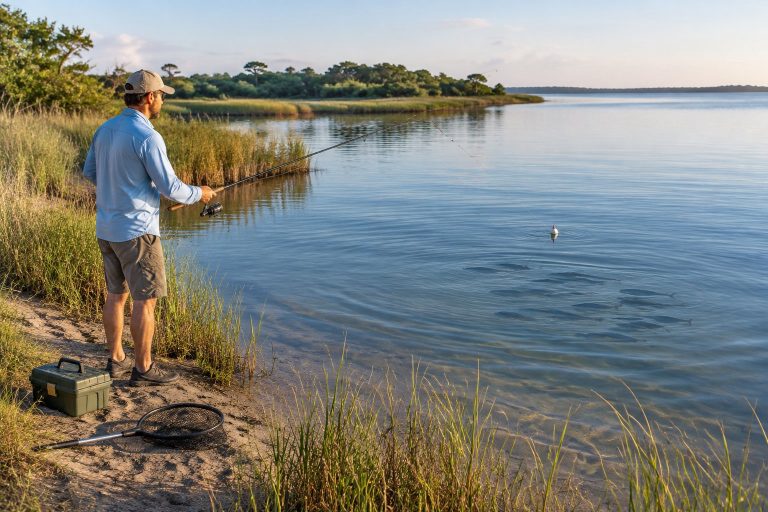
A short trip can turn around when you change one variable at a time: start with location, then adjust bait, depth, timing, retrieve, and your response to water conditions. When you’re getting skunked fishing, move toward nearby cover and try a small live bait near the bottom before changing several things at once.
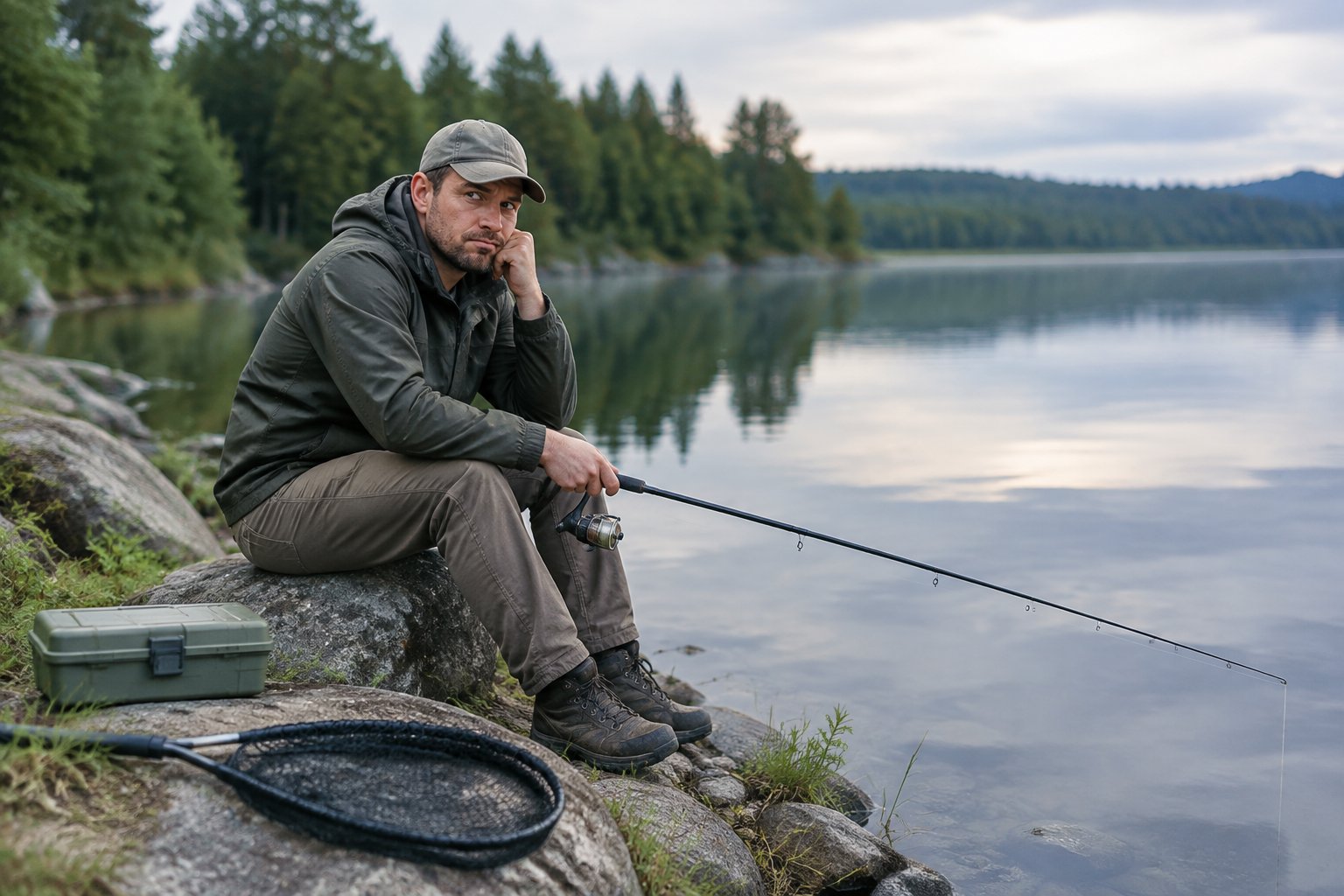
Give each change a few casts, then keep the adjustments that produce a bite or even a clear sign of fish. That gives you a simple plan for making a lunch-break outing, after-work session, or family trip more productive.
1. Move From Open Bank to Nearby Cover
Move from featureless open bank to the nearest cover or change in the shoreline. Fish use places such as weed edges, fallen branches, docks, rocks, and shaded banks for food and shelter.
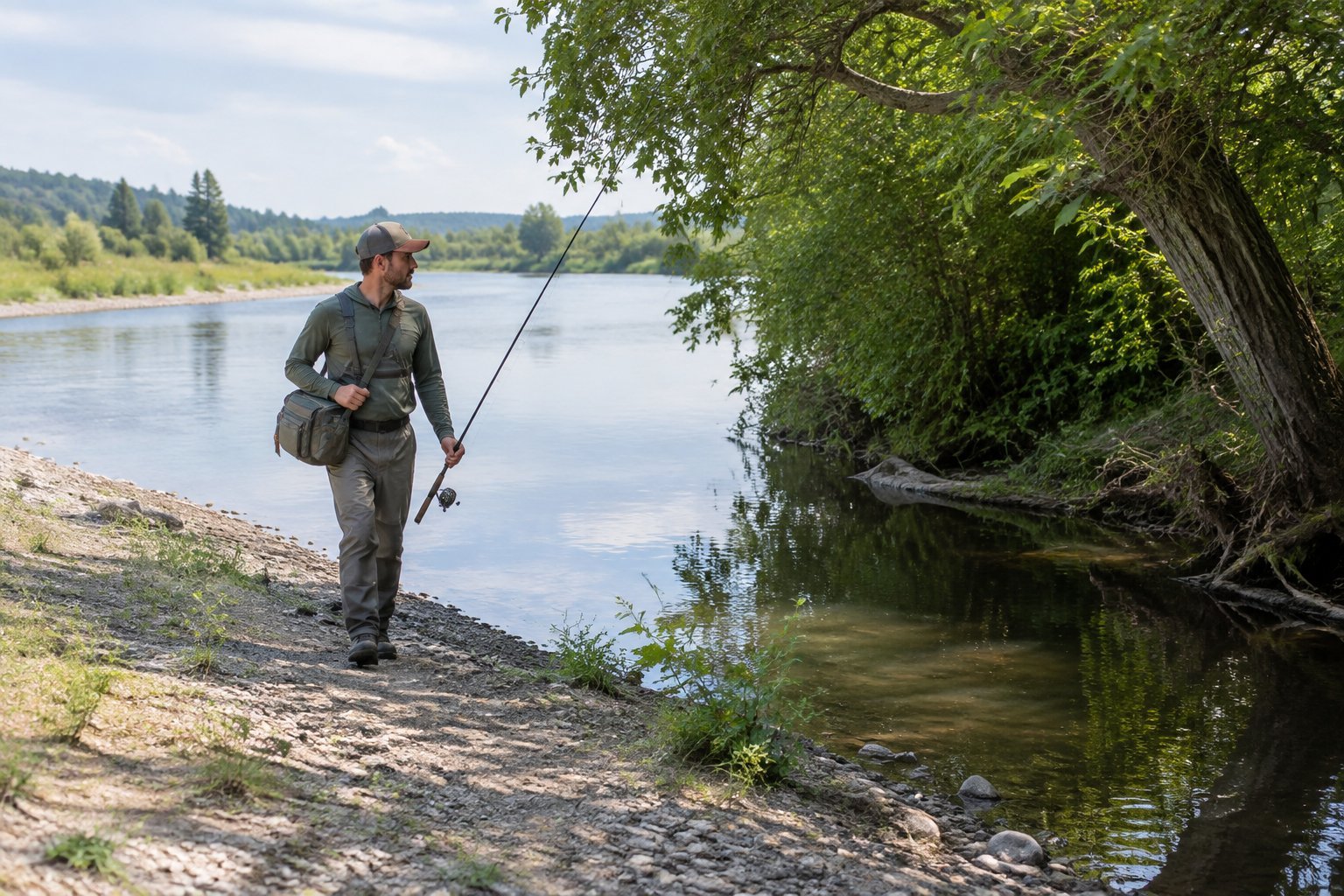
Walk a short stretch and look for a visible change: a point, a pocket, a patch of weeds, or a spot where deeper water meets the bank. Cast parallel to the edge as well as toward it; a fish may follow a shoreline contour that a straight cast away from shore misses.
Keep your first move manageable. A few yards can bring you to a useful target without spending the whole trip relocating. If you’re fishing with children, choose a stable bank with room to cast safely.
2. Switch to a Nightcrawler or Red Worm
A nightcrawler or red worm gives you a simple live-bait option when fish ignore your current offering. Use a small piece of worm on a hook sized for the fish you’re seeking, and present it where fish can find it.
Thread enough worm onto the hook to secure it, leaving a short end free to move. A long, loose piece can make bites harder to detect or give small fish room to nibble without taking the hook. Keep the bait fresh and replace it when it comes off or looks worn.
For an easy introduction to this bait, explore nightcrawler fishing. Bring a small container of worms and a damp cloth, and keep bait handling simple when you’re fishing with kids.
3. Set Your Bait Just Above the Bottom
Present bait close to the bottom while keeping it clear of weeds, rocks, and debris. Many shore-caught fish feed near the lake or pond floor, where food collects.
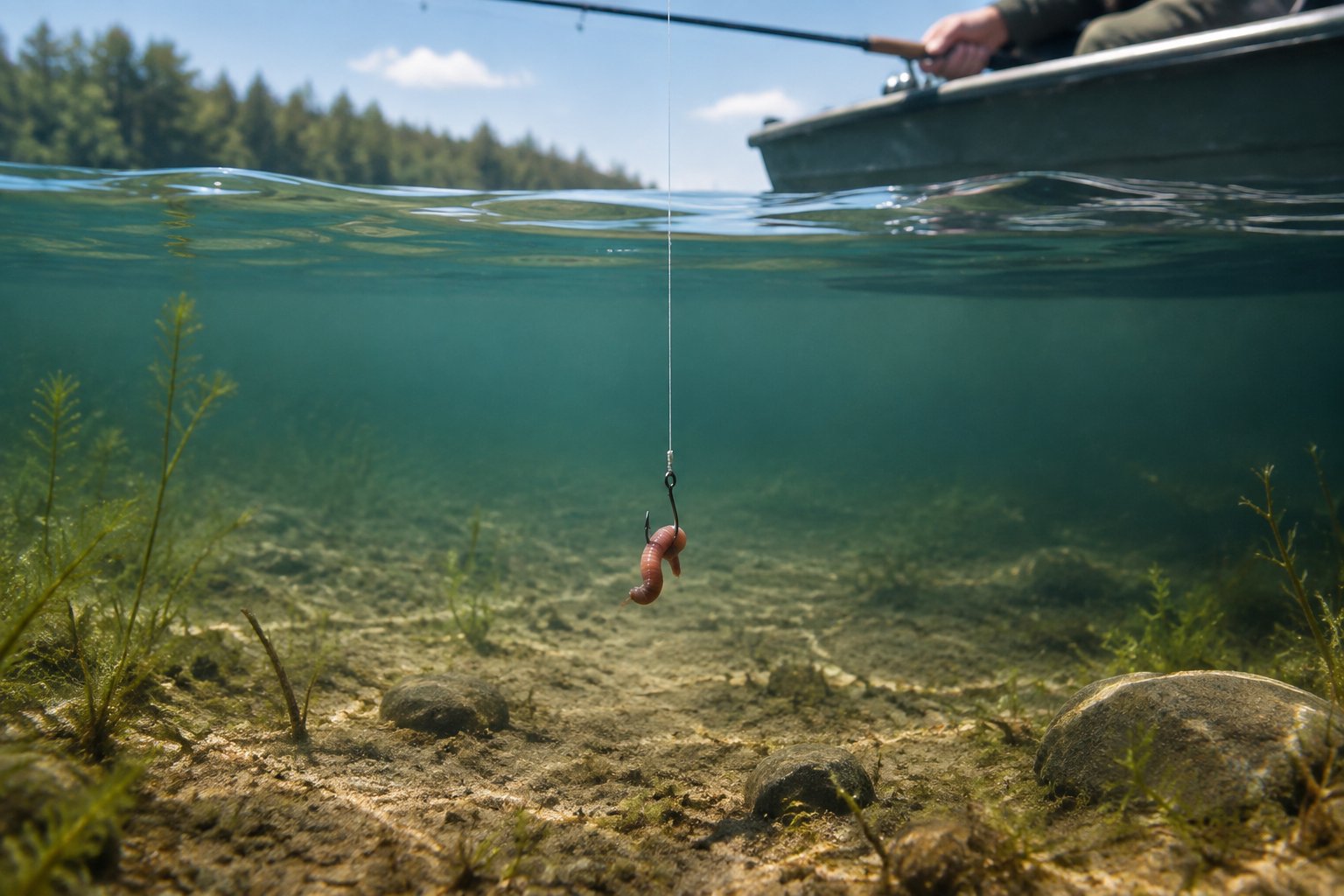
Use a split shot or a sinker to get your bait down, then adjust the distance between the weight and hook so the bait rests just above the bottom. If the line drags through weeds or snags, shorten the leader or raise the bait slightly.
Watch the line after the cast. A steady pull or a sudden sideways movement can signal a bite; a line that stays slack may mean your bait is resting on the bottom or caught in cover. Recast a few feet to test nearby water.
4. Try the First or Last Hour of Daylight
Use the first or last hour of daylight for a short trip when your schedule allows. Low light and cooler conditions often bring fish closer to shore to feed.
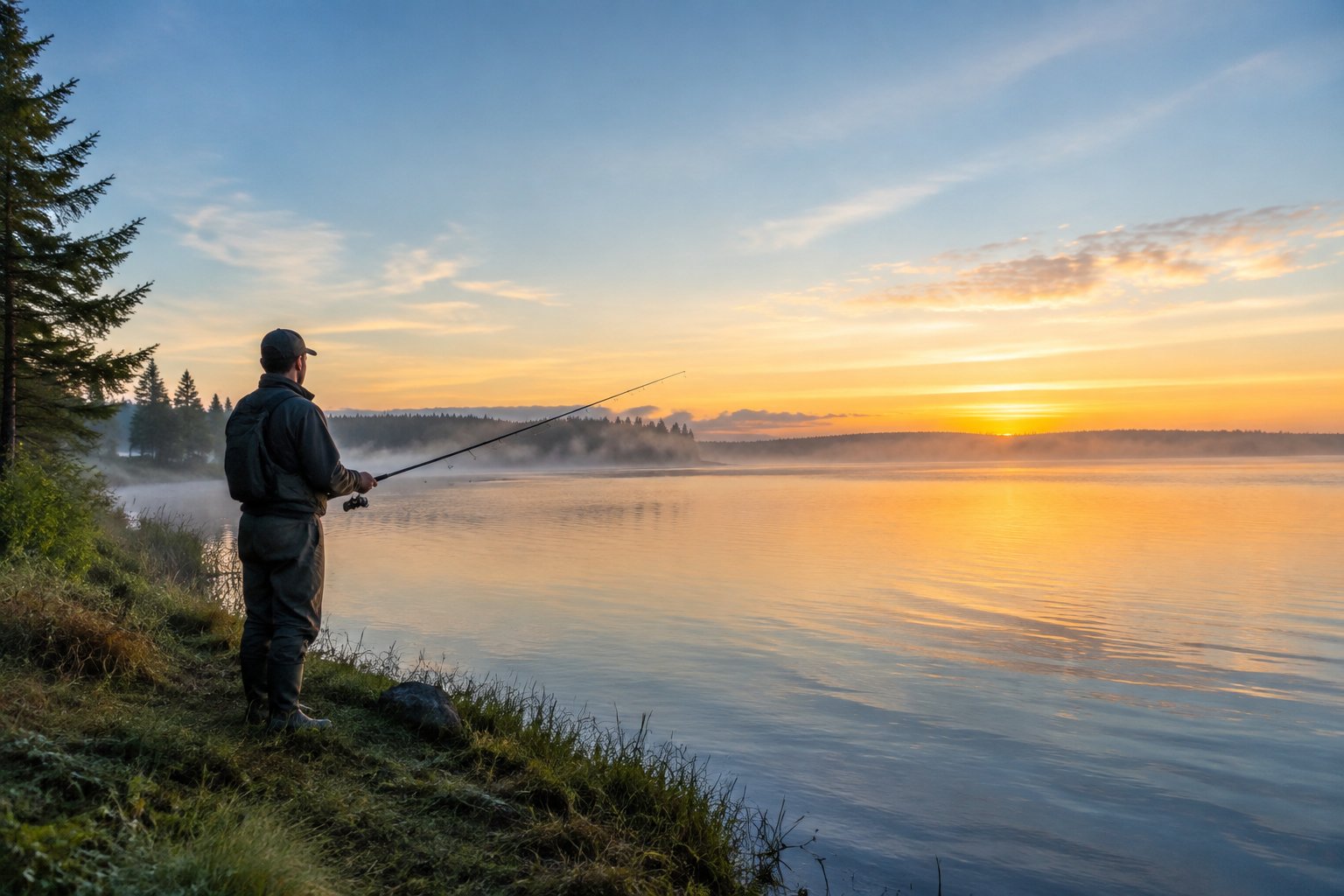
Arrive with your tackle ready so you can start fishing soon after reaching the bank. At sunrise or near sunset, work the shoreline and nearby cover with a bait or lure you can cast accurately. Low light can make it harder to see your line, so keep your setup familiar and use a visible bobber if that helps.
If you’re choosing between an early start and an evening outing, these morning versus evening fishing tips for busy anglers can help you fit a session around your day. Check local rules for fishing hours and any special access restrictions before heading out.
5. Slow Your Retrieve
Slow your retrieve when fish follow or ignore a fast-moving lure. A measured pace gives fish more time to notice and strike the bait.
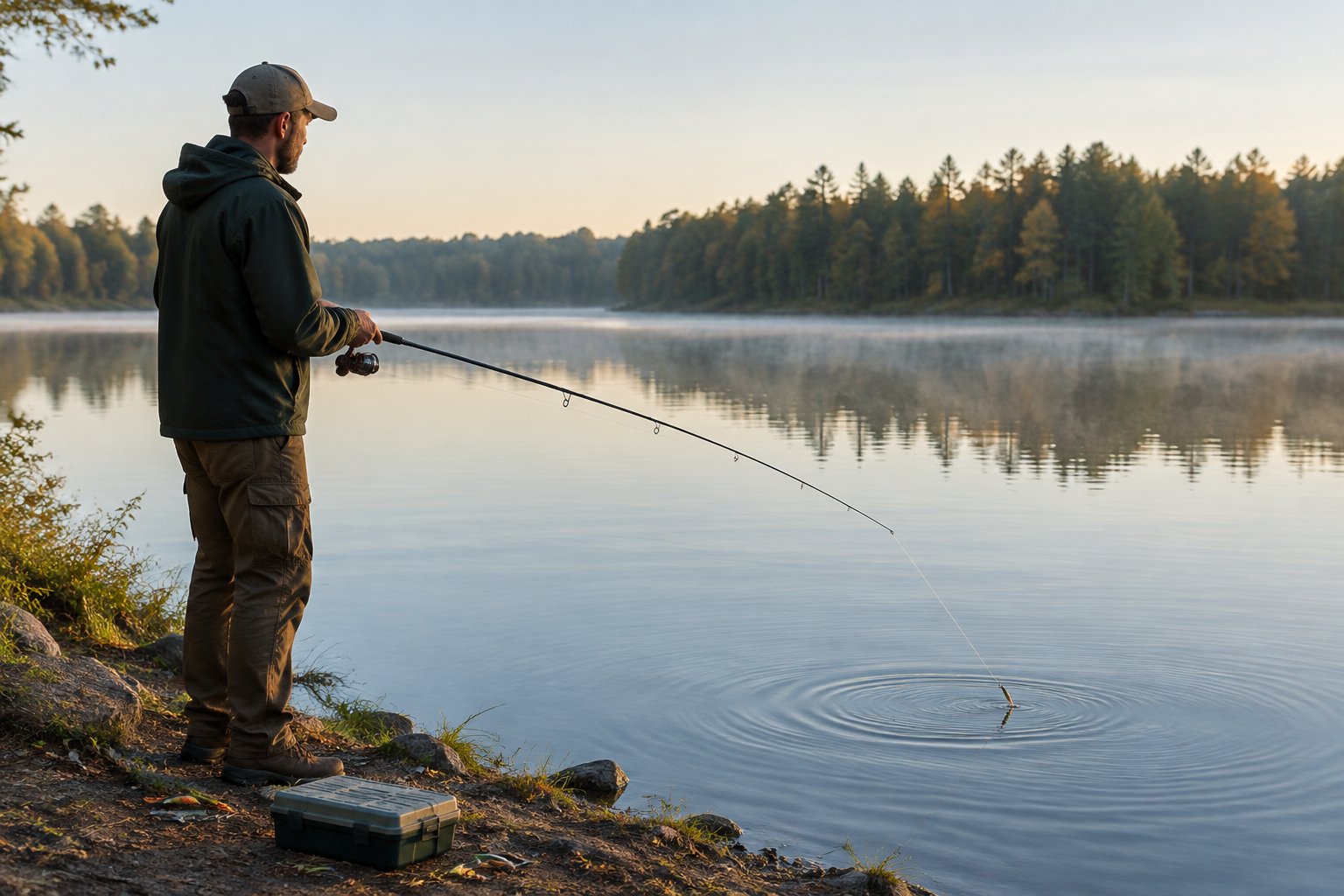
Turn the reel handle steadily, pause briefly, then resume. With a soft-plastic worm, let it sink before moving it a short distance; with a small spinner or crankbait, reduce your reeling speed and keep the lure moving smoothly.
Change one part of the retrieve at a time. A pause can help you tell whether fish respond to a slower presentation, while repeated jerks make it harder to see which adjustment caused a bite. Keep the lure close enough to cover that you can track where it travels.
6. Adjust for Water Clarity and Recent Weather
Match your bait’s visibility and presentation to the water and conditions you see. Clear water rewards a subtle presentation; stained water calls for bait fish can locate more easily.
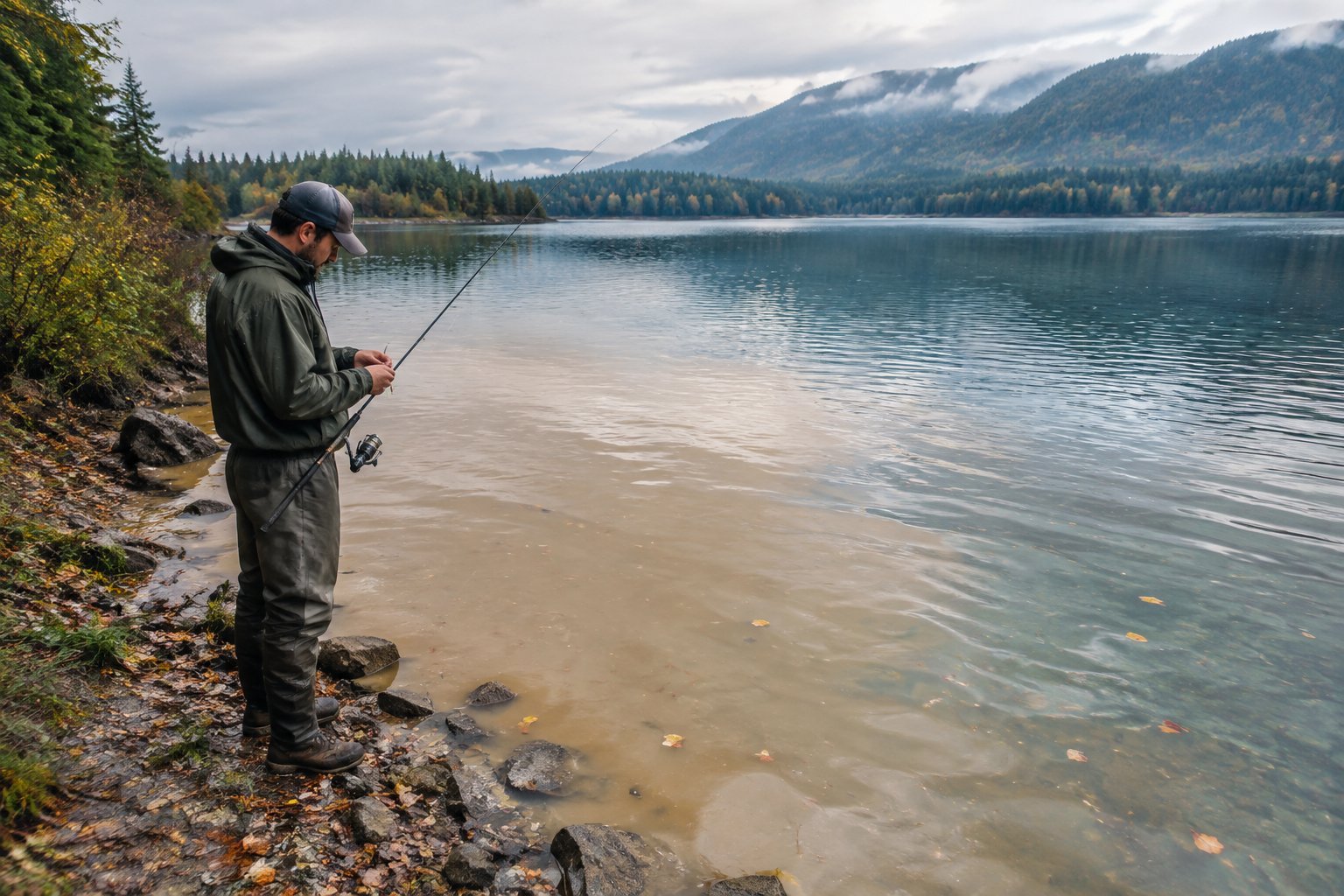
In clear water, try a smaller, natural-looking bait and avoid splashing repeatedly in one spot. In murky water, choose a more visible color or a bait that creates vibration, then make deliberate casts near cover.
Recent rain, wind, or a sharp temperature change can shift fish position and water clarity. Look at the shoreline before choosing a spot: wind can push food toward one bank, while rain runoff can make a creek mouth or inlet discolored. For more ideas on adapting your plan, see these practical tips for fishing in the rain.
7. Fan-Cast Near, Middle, and Far
Fan-cast at several distances to find where fish are holding. A fish may be close to shore, along a drop-off, or beyond the first visible weed line.
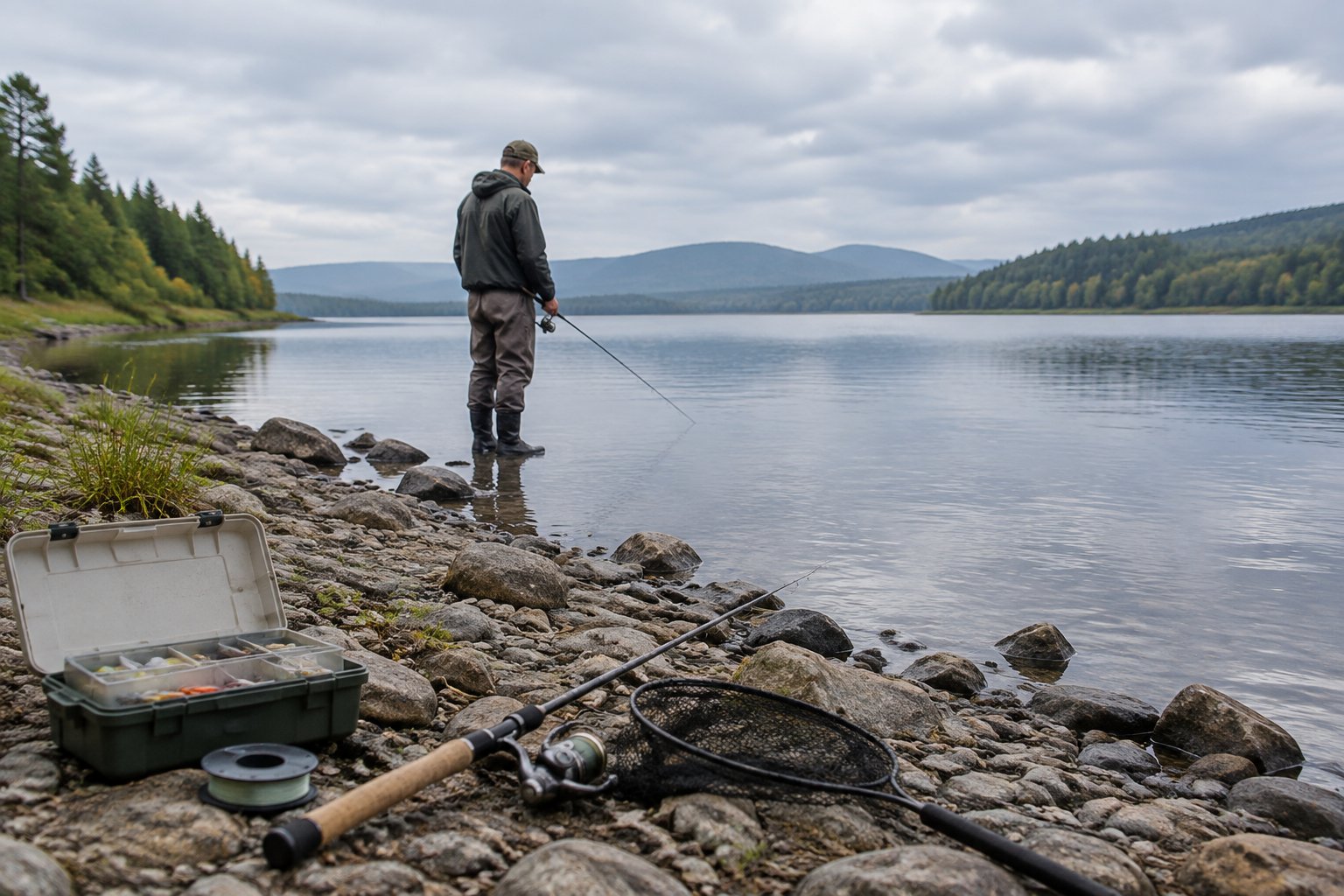
Start with a cast near the bank, then aim at a middle distance and finish with a longer cast. Sweep the angles from left to right, covering new water with each cast. Keep your lure, bait, and retrieve consistent during this search so distance and direction are the variables.
If one cast produces a bite, a follow, or a bump, repeat that distance and angle. A simple sequence helps you cover water efficiently without spending several minutes casting to the same empty patch.
8. Downsize Your Hook and Bait
Use a smaller hook and a smaller bait when bites are light or fish keep stealing the bait. A compact offering is easier for small fish to take and can suit cautious fish in clear or heavily fished water.
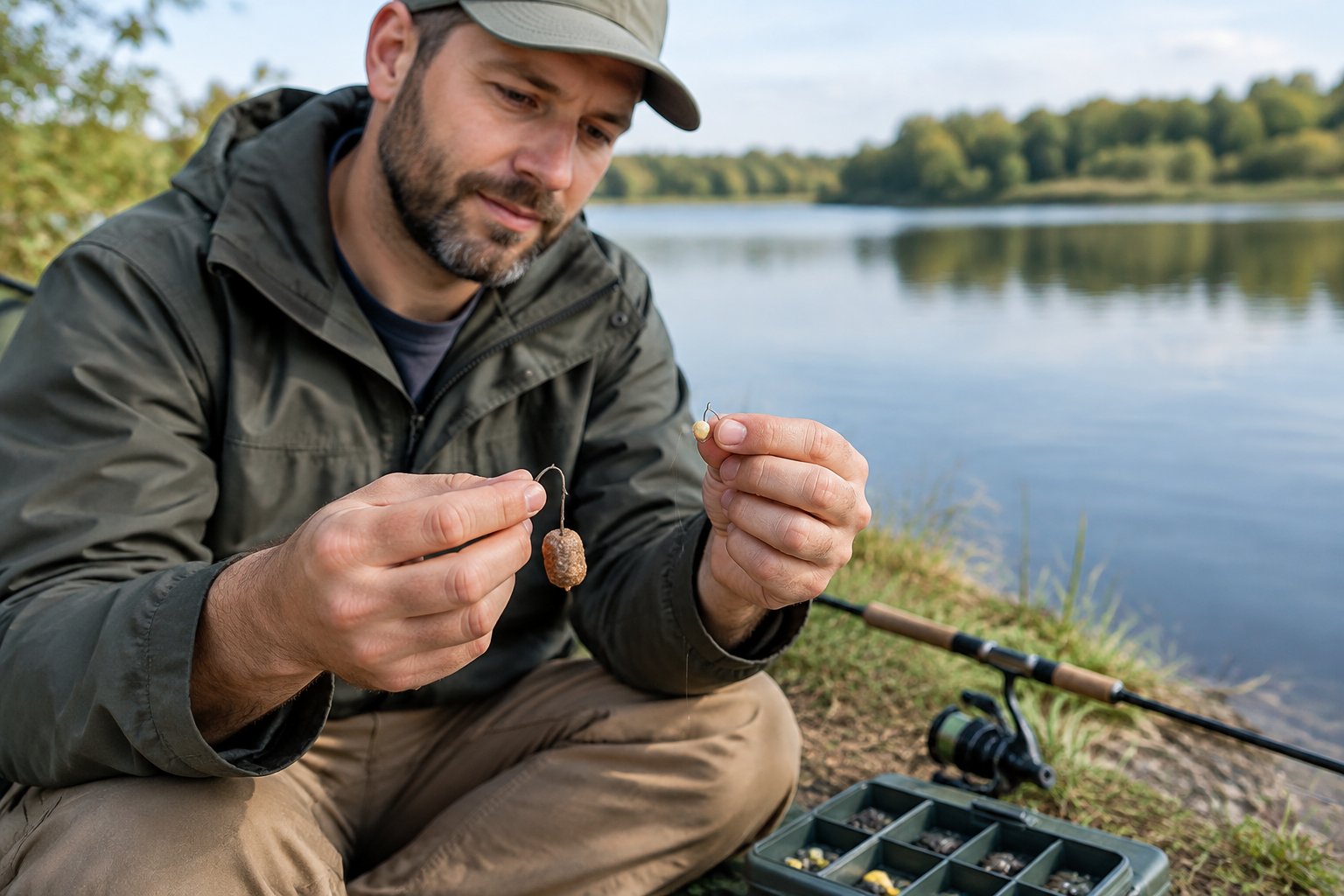
Choose a hook that matches the bait and the fish you expect. Keep the hook point exposed, and use a small piece of worm that covers the shank without hiding the point. If you’re using a lure, select a smaller version with a hook appropriate for the fish and your tackle.
A smaller offering can also make bites easier for a child to detect with a bobber. Handle hooks carefully, keep unused hooks secured, and supervise young anglers during baiting and casting.
9. Try a Simple Bobber-and-Worm Rig
A bobber-and-worm rig gives you an easy way to suspend live bait and spot bites. Set the bobber so the worm hangs above weeds or bottom debris at a depth fish can reach.
Tie a hook to your line, add a small piece of worm, and attach a bobber above it. Begin with the bait suspended a few feet below the surface, then change the depth if you see fish near the bottom or the bobber drifts over weeds.
Cast gently so the bait stays on the hook. When the bobber dips or moves sideways, reel in slack and lift the rod smoothly. This setup is a practical choice for beginners and for fishing with kids, since the bobber makes activity easier to follow.
10. Move On After 10 to 15 Unproductive Minutes
Move to a new nearby spot after 10 to 15 minutes without a bite, follow, or other sign of fish. A short trip gives you limited time, so avoid repeatedly casting to water that shows no activity.
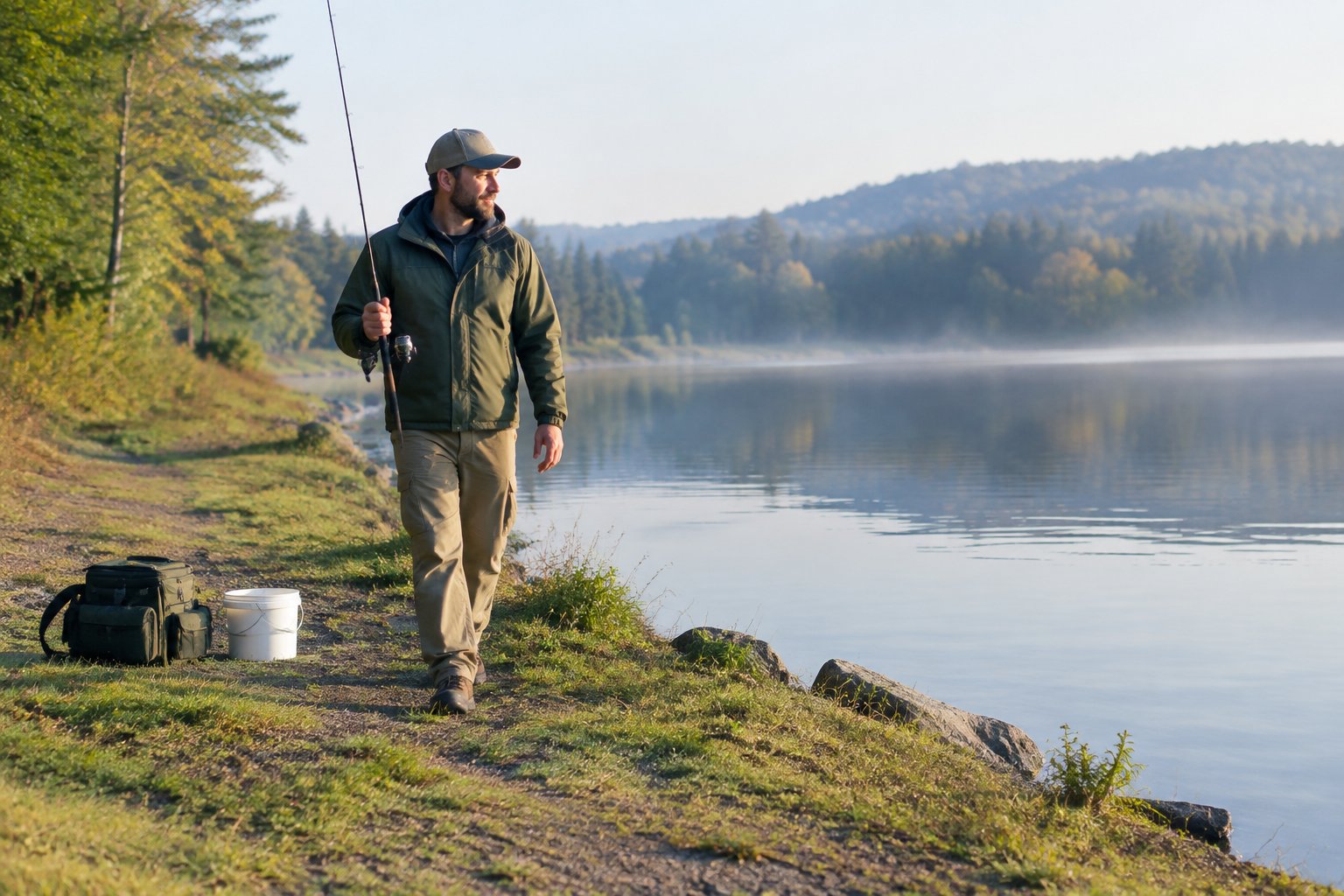
Before leaving, change one factor if you haven’t tested it yet, such as casting closer to cover or letting your bait sink deeper. Then walk to the next accessible point, weed edge, or shaded bank and begin a fresh fan-cast pattern.
Keep your tackle organized and carry only what you need to move safely. A few productive stops along the shoreline can cover more useful water than staying in one place through a quiet spell.
Make a Fishless Trip Useful
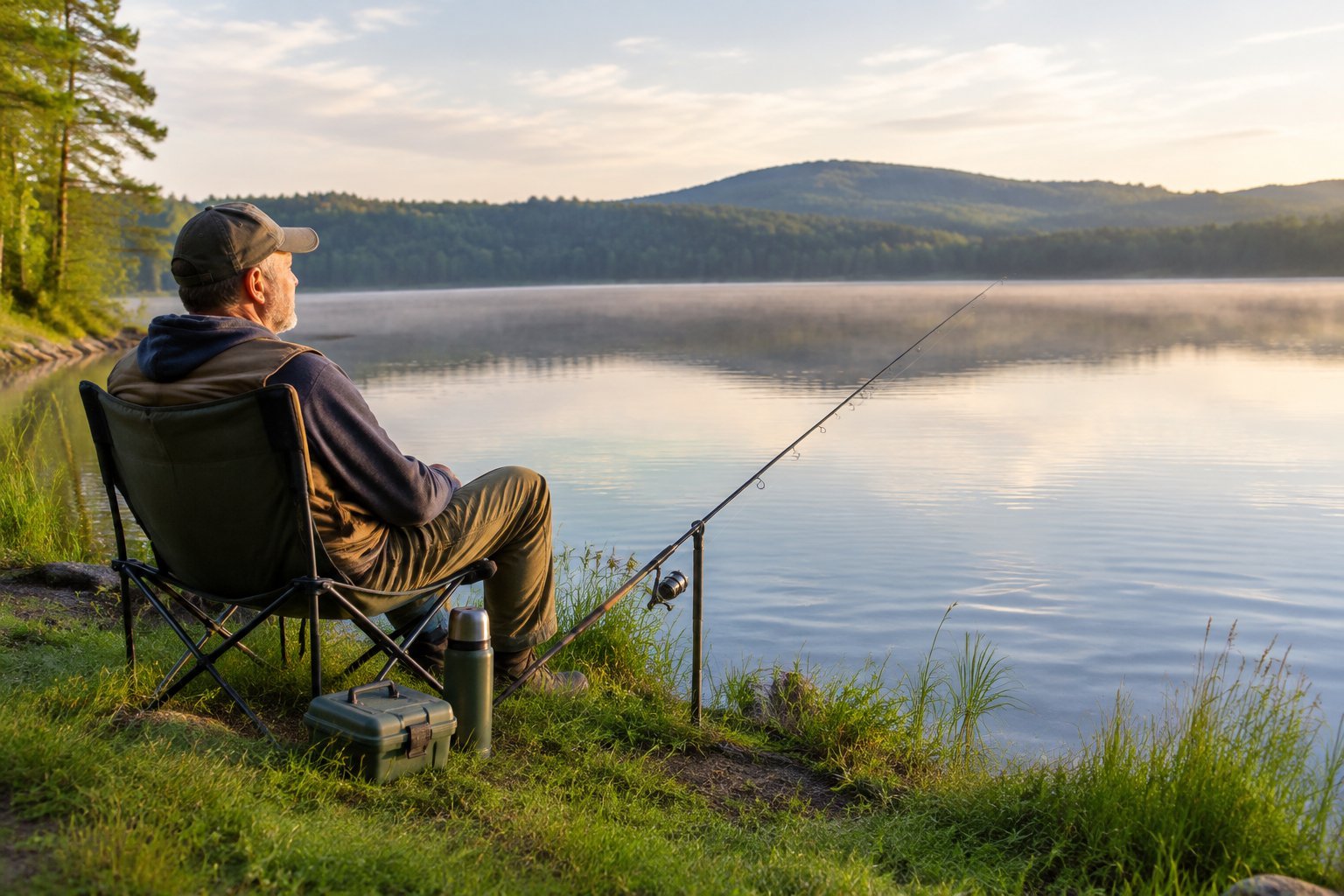
A fishless trip still gives you useful information when you record conditions and leave with a simple plan for next time. Note what you observed while the details are fresh, then make the next outing easy to start.
What should you note before you leave?
Write down the time, location, weather, wind direction, water clarity, and the bait or lure you used. Add where you cast, how deep you fished, and whether you saw baitfish, surface activity, or bites. These notes help you avoid repeating the same approach when the conditions change.
Keep the record brief: a note on your phone or a line in a fishing log is enough. If you plan to return, mark the access point and any cover that looked promising.
How can kids still enjoy the outing?
Give children a small, simple job such as watching the bobber, choosing the next safe casting spot, or helping record the weather. Pack a snack and set a clear time for fishing so the outing stays manageable; these ideas for eating while fishing can help you plan a comfortable break.
Keep expectations focused on the experience: casting, noticing wildlife, and learning how the bobber moves all count as part of the trip. For a family outing, choose an accessible bank, supervise hook handling, and bring a small amount of tackle you can manage together.
Frequently Asked Questions
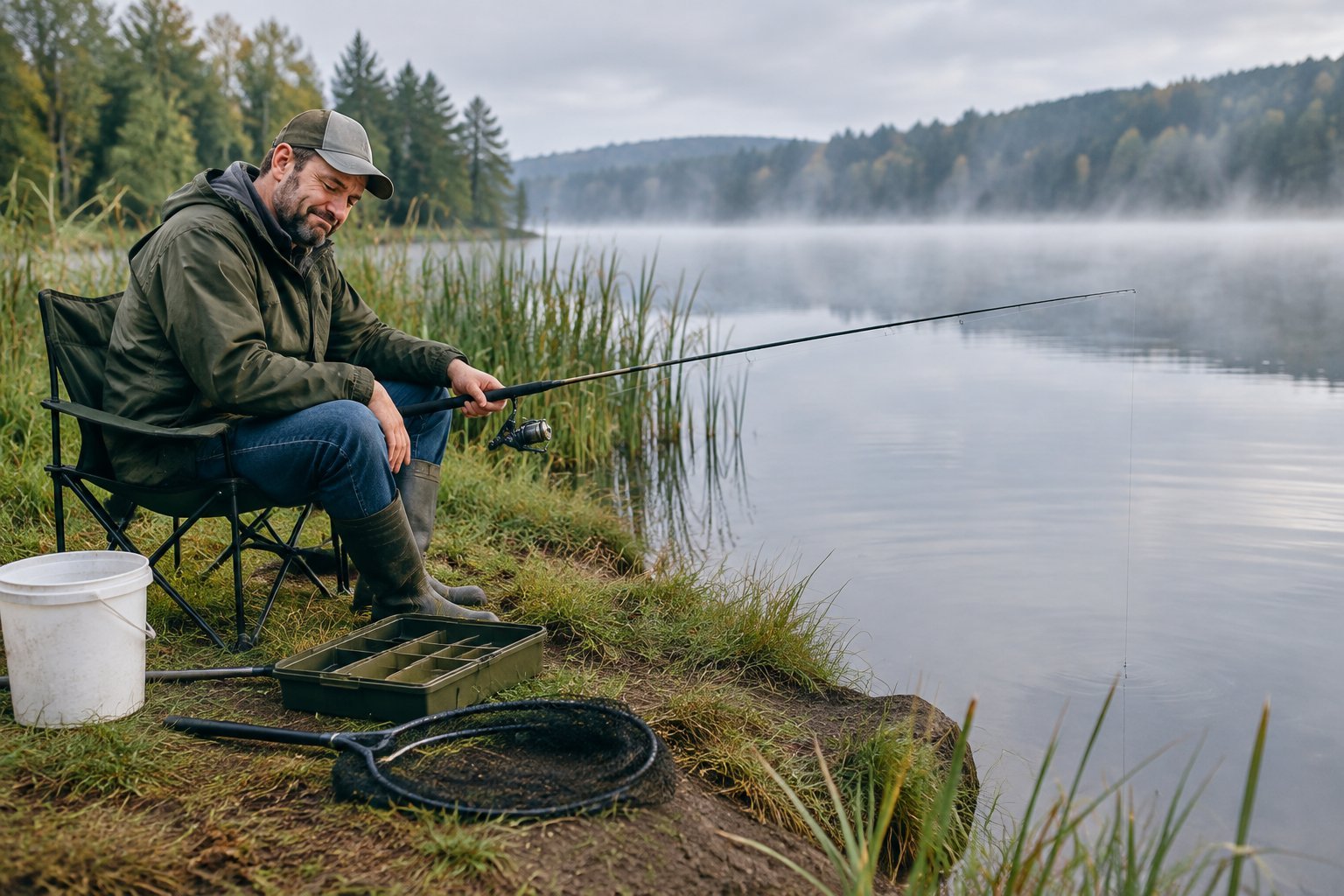
Is it normal to get skunked while fishing?
Yes, getting skunked is a normal part of fishing, even when you choose a sensible spot and presentation. Fish location, weather, water conditions, and timing all affect whether they feed during your visit.
What should I change first when fish aren’t biting?
Change your location first by moving toward nearby cover or a shoreline feature. Keep your bait and retrieve consistent while you test the new spot, so you can tell whether the move helped.
How long should I fish one spot before moving?
Give a spot about 10 to 15 minutes of deliberate casting before moving if you see no bites or signs of fish. Cover different distances and angles during that time, then try a new nearby location.
Is live bait a good choice when nothing is biting?
Yes, a nightcrawler or red worm is a useful live-bait option when fish ignore your current presentation. Use a small piece on a suitably sized hook and adjust its depth so it stays clear of snags.
Does changing depth really help when fishing from shore?
Yes, changing depth helps you test whether fish are holding near the surface, around midwater, or close to the bottom. Move your bobber or weight in small increments, and note the setting when you get a bite.