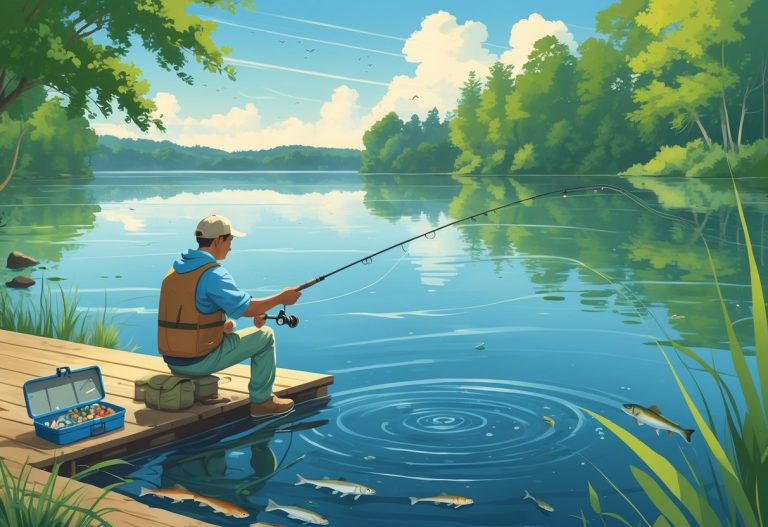
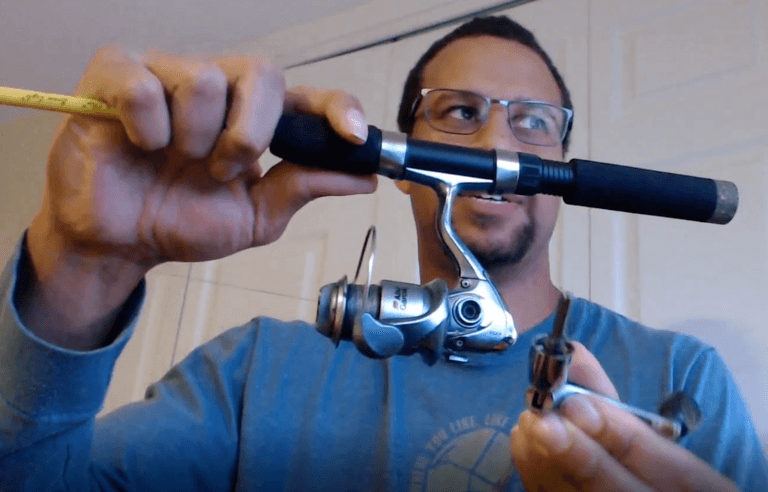
Carp eat a varied mix of insects, larvae, worms, small crustaceans, aquatic plants, seeds, and other available foods. For an easy, low-cost first try, use sweetcorn for common carp in a pond or lake, and bring worms as a natural backup.
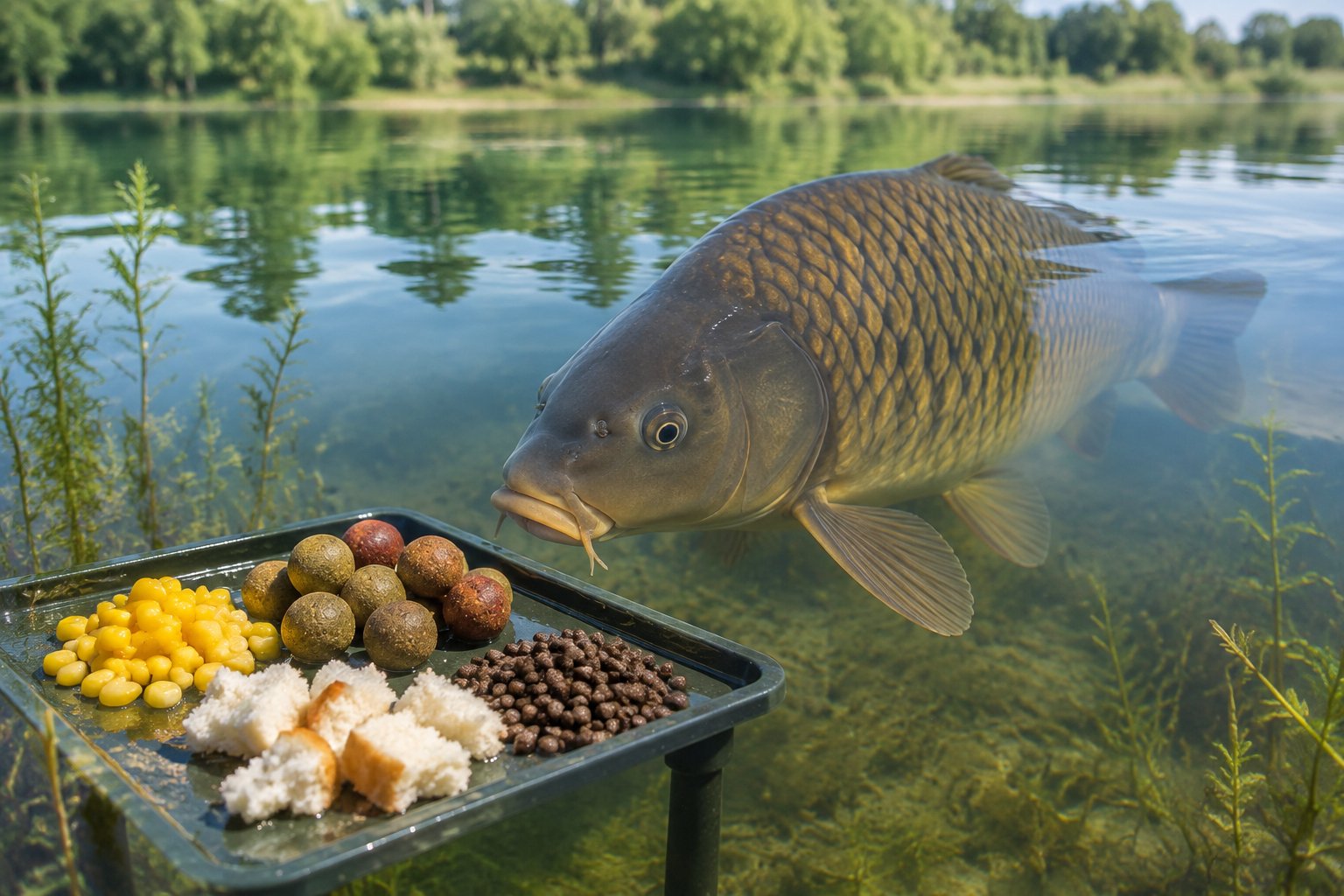
A small container of corn and a basic rod are easy to pack for a short session with your kids or after work. Match your bait to the water and what carp are feeding on, then start with a small amount so you can adjust without wasting bait.
The Natural Foods Carp Search For
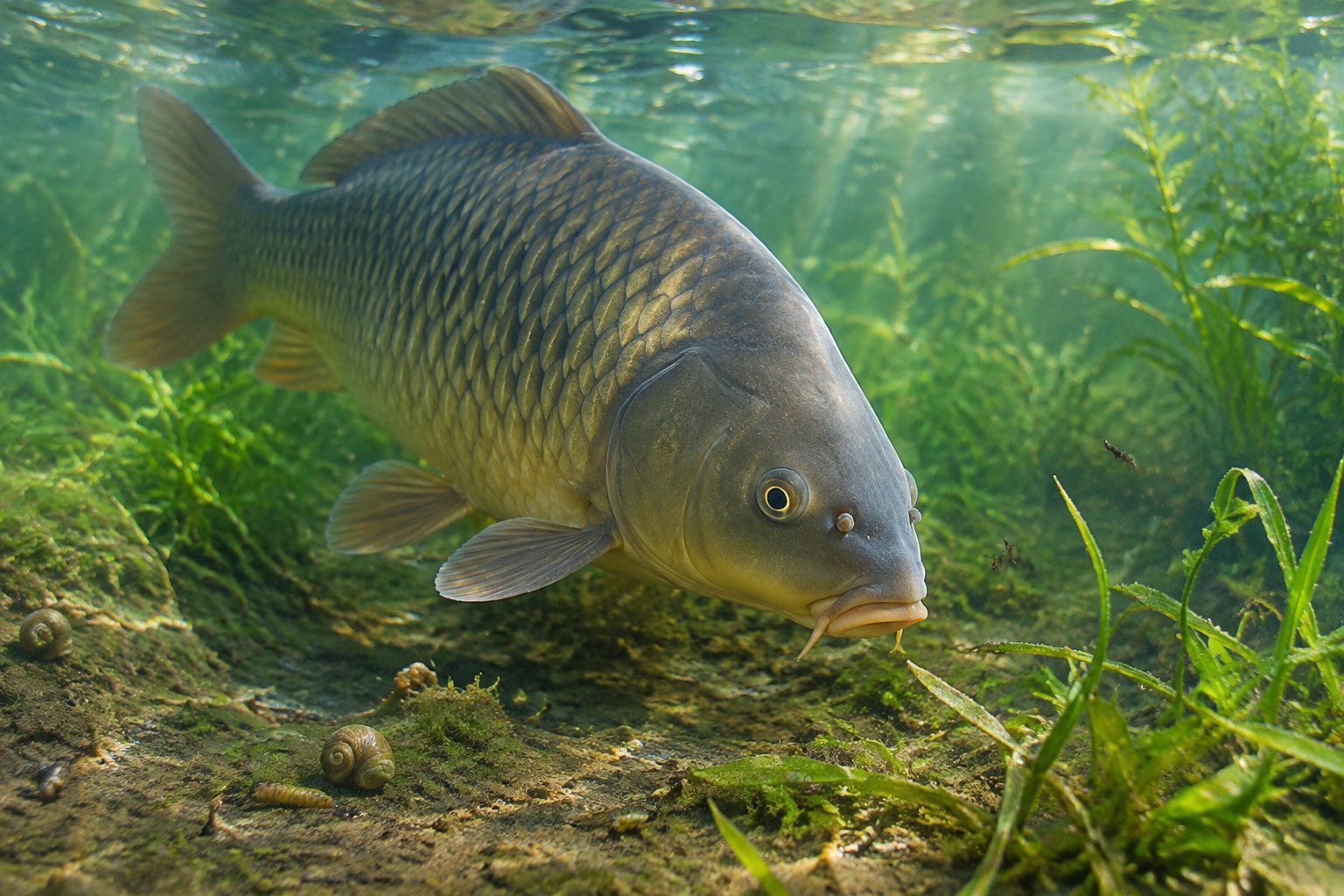
Common carp are omnivores that forage for animal and plant foods in and around the bottom, along vegetation, and sometimes near the surface. Their carp diet reflects what is available in their habitat, so carp feeding behavior can look different from one pond, lake, or river to another.
Small prey: insects, larvae, worms, and crustaceans
Carp pick up insects and aquatic insects, including insects and larvae living in bottom sediment and among plants. Bloodworms and other insect larvae are small natural foods that carp find while sifting through soft areas.
Worms, including nightcrawlers, also make a practical bait because they resemble food carp already encounter. Carp feed on crustaceans and small crustaceans, such as tiny freshwater invertebrates, and larger individuals may take crayfish when they are available.
Plant foods: algae, vegetation, seeds, and berries
Algae and aquatic vegetation contribute to the natural diet, along with seeds and plant fragments. Carp may also eat berries that fall into the water, especially where shrubs or trees overhang the shoreline.
This plant-food preference helps explain why corn can work as carp bait. A bright kernel is easy to spot, and its soft texture and sweet taste make it simple to present on a hook or hair rig.
Snails, mussels, and occasional small fish
Snails and mussels are part of the menu in waters where mollusks are available. Carp can also consume other small invertebrates in sediment and around rocks.
Small fish are an occasional food, especially for larger carp, though carp are not specialized fish hunters. Their feeding commonly centers on food they can find while foraging.
How carp feeding differs by species
Common carp, mirror carp, and wild carp share a broad omnivorous diet. Mirror carp are a form of common carp, so their feeding habits overlap; where they feed depends on local food and habitat.
Grass carp feed heavily on aquatic plants, making vegetation a more relevant food cue for them. Bighead carp feed differently from common carp, filtering tiny organisms from the water, so standard bottom baits are less suited to their feeding style.
How Water and Weather Affect Bait Choice
Choose carp bait with the water’s available food and temperature in mind, then adjust how much you feed to the fish’s activity. A modest, easy-to-eat offering gives you a useful starting point for carp fishing in changing conditions.
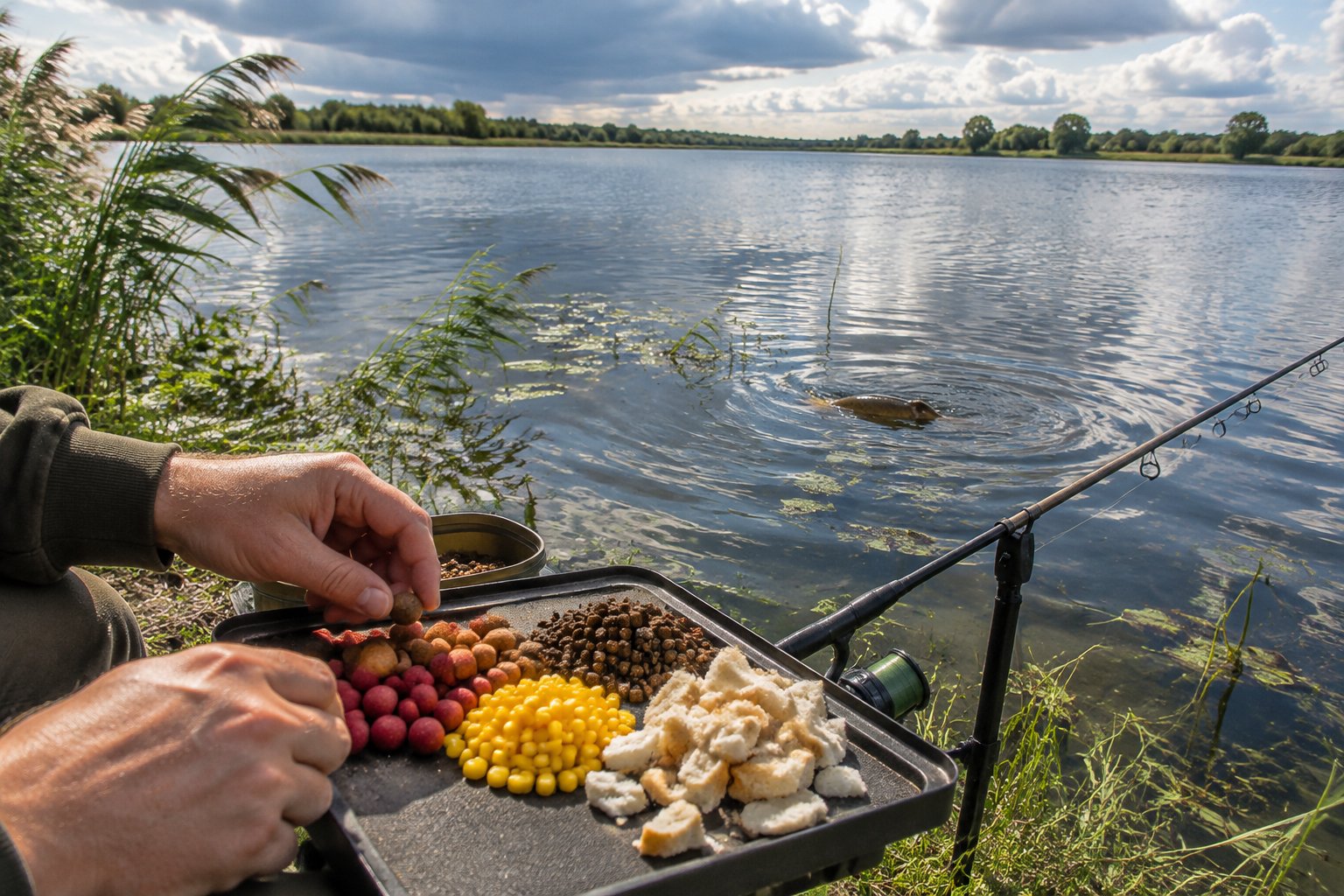
What carp eat in ponds, lakes, and rivers
In ponds, carp may find insect larvae, snails, and plant matter around weed beds and margins. Sweetcorn, bread, and small pellets are convenient choices to test in these areas.
Lakes offer a wider range of habitats and natural foods, including larvae, crustaceans, and mollusks. Try a boilie or pellets when you want a durable hookbait for a longer session. In rivers, current moves food through the water; use a bait presentation that stays in place and pay attention to calmer edges and current seams. For more ideas on moving water, see this guide to river fishing bait.
Adjusting bait as the water warms or cools
As water warms, carp become more active and may move farther to find food. Corn, bread, pellets, and boilies are practical options in warmer conditions; observe whether carp are feeding near the surface or on the bottom before choosing where to present them.
In cooler water, feeding activity can slow. Start with a small hookbait and a restrained amount of loose feed, such as one or two kernels of corn near your hook. If bites are slow, keep the spot quiet and give the bait time.
Matching bait to fishing pressure and available food
Carp that see anglers frequently can become cautious around a busy, heavily baited spot. Try a small, natural-looking presentation, such as corn or a worm, and avoid adding a large pile of feed before you know fish are present.
Look for visible signs such as bubbles, disturbed sediment, or carp cruising near plants. If you see fish feeding at the surface, a small piece of floating bread gives you a direct way to test that behavior.
Which Baits Are Practical Carp Favorites?
Sweetcorn is an easy first carp bait, while bread, worms, maggots, boilies, and pellets give you useful alternatives for different feeding situations. Choose a bait you can present simply and bring only a few options on a quick trip.
Sweetcorn, bread, and other easy pantry options
Canned sweetcorn is affordable, easy to carry, and simple to thread onto a hook or use with a hair rig. A few kernels around your hookbait can help make the spot noticeable without creating a large bed of feed.
Bread works well when carp feed near the surface. Pinch a small piece around the hook or use a crust that floats, and watch how the fish respond. Check local rules before using bait, since regulations differ by water.
Worms and maggots for a natural presentation
Worms and maggots suit situations where you want a natural-looking, protein-rich bait. A small worm section or a few maggots give you a compact presentation; keep the hook point clear so it can catch securely.
Worms can also be a useful choice in waters where carp forage through soft sediment. For step-by-step advice on presenting them, see carp fishing with worms.
Boilies, pellets, and groundbait for longer sessions
Boilies are firm prepared baits that stay on a rig for longer periods. Fishmeal boilies offer a savory option, while sweeter varieties can suit waters where carp respond to sweet flavors.
Pellets break down in water and can draw attention to a small feeding area. Groundbait helps keep loose particles together near the hookbait. Use a small amount at first, especially on a short session, and add more only if carp are feeding confidently.
Hemp seed and tiger nuts as particle baits
Hemp seed is commonly used as loose feed to encourage carp to search the bottom; its small size makes it awkward as a standalone hookbait. Pair it with a larger hookbait, such as corn, so the bait you want the carp to take is easy to identify.
Tiger nuts are another particle bait, but they need proper preparation before use. Follow the package directions or a trusted preparation method, and check local rules before fishing with particles.
Choosing sweet or spicy flavors
Sweet flavors, such as fruit or vanilla, give you a straightforward starting point with boilies and prepared baits. Spicy flavors, including garlic-style options, offer a different scent profile to test when fish ignore a sweet bait.
Start with one flavor and a simple presentation. Changing several things at once makes it harder to tell which adjustment helped.
A Simple, Low-Cost Setup for a Quick Session
A basic rod and reel, suitable line, a small hook, and a simple hair rig are enough to present corn or another compact carp bait. Keep your tackle light and your bait portion small so you can set up quickly for a short bank session.
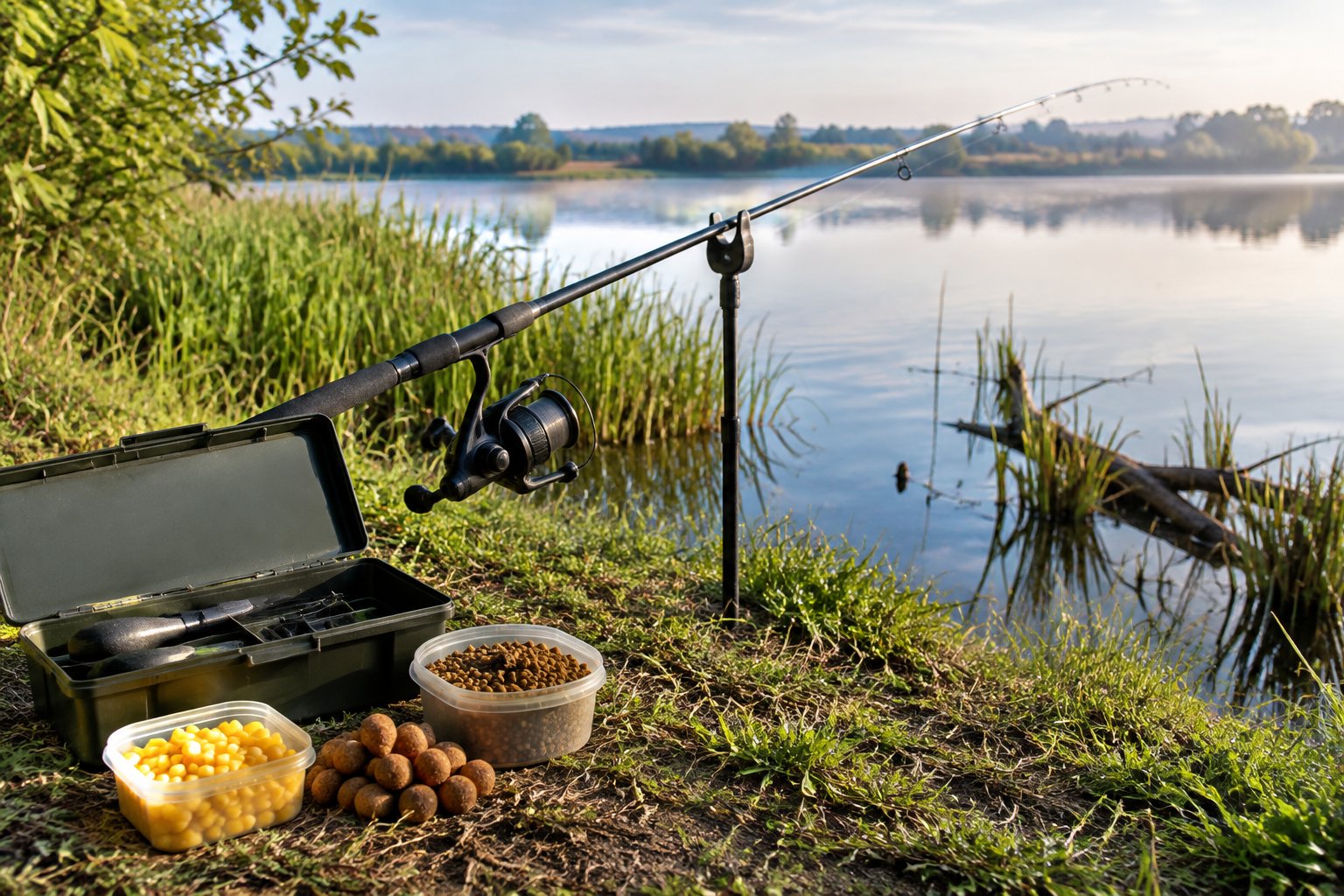
A basic rod, line, hook, and hair rig
Use a rod and reel you already have, paired with line and a hook appropriate for the fish and conditions. A hair rig holds the bait just off the hook, which lets you present a corn kernel without covering the hook point. Beginners can also start with a simple hook presentation if that is easier to tie.
Choose a secure knot, check that the hook is sharp, and test the rig close to shore before casting. For help choosing hooks, use this guide to carp hooks. If you are new to the basics, the carp fishing for beginners guide can help you prepare.
How much loose bait to start with
Start with a small handful of corn or a few pellets near your hookbait. A compact feeding spot is easier to manage on a quick trip, and it lets you see whether carp are visiting before you add more.
If you see fish feeding or get bites, add a small amount at a time. When activity is slow, leave the spot undisturbed and give the fish time to find the bait.
Easy homemade carp bait ideas and safe preparation
A simple homemade carp bait can be made by mashing a little canned corn and mixing it with breadcrumbs until it holds together. Shape a small piece around the hook or use it as loose feed near a separate hookbait.
Keep homemade carp bait ingredients plain and fresh, and avoid adding anything that could harm the water or fish. Prepare only what you need, store it safely, and follow local regulations on bait use. For the easiest first session, canned corn from the grocery store works without mixing or cooking.
Frequently Asked Questions
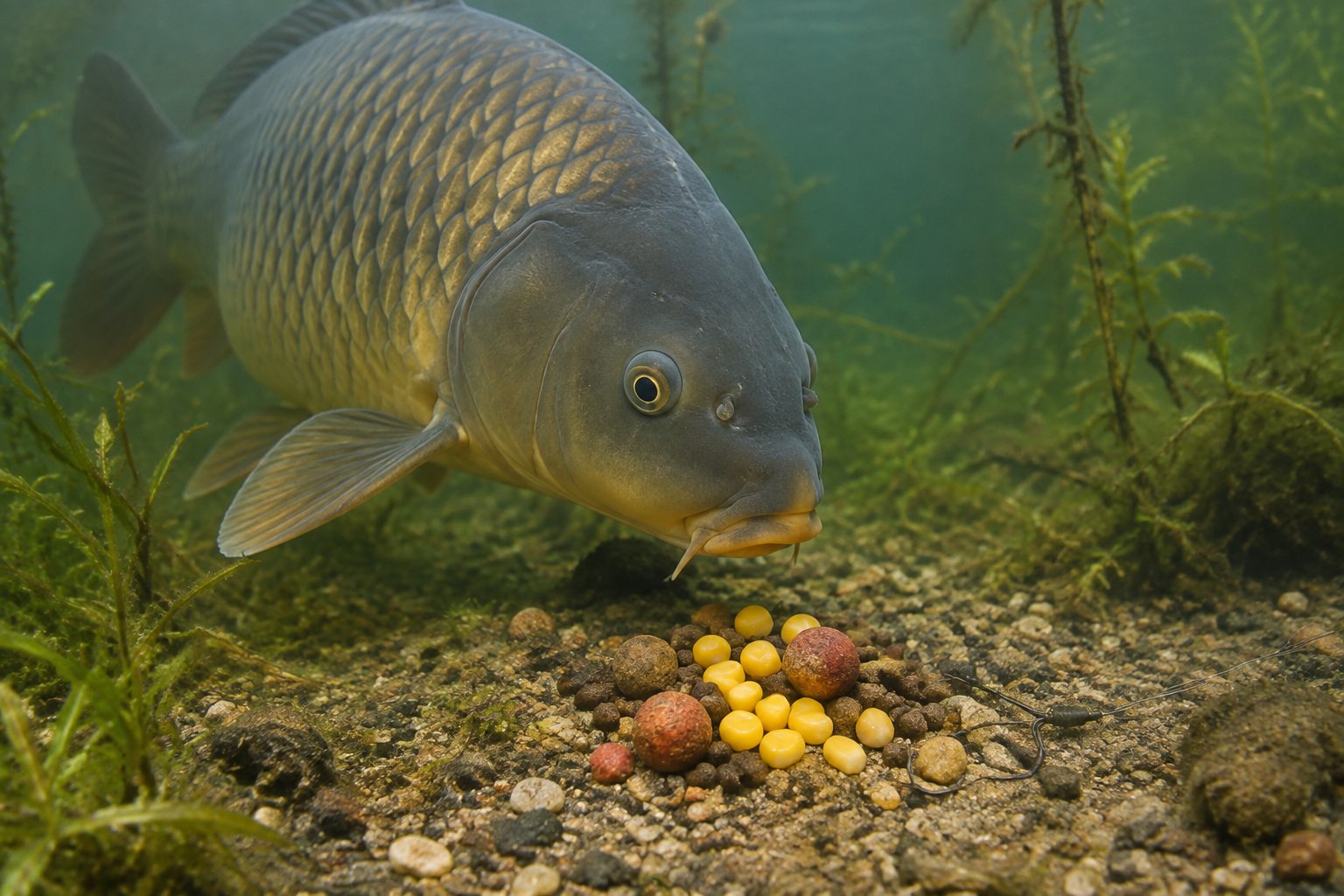
What is the best bait to catch carp in lakes?
Sweetcorn is a practical first choice for lake carp because it is inexpensive, easy to present, and works on a basic hook or hair rig. Try a boilie or pellets for a longer session, especially when you want a bait that stays on the rig.
What do carp eat in the wild?
Carp eat insects and larvae, worms, small crustaceans, snails, and plant foods such as algae, vegetation, seeds, and berries. Their exact diet follows the food available in their habitat.
What bait works well for carp in ponds?
Sweetcorn, bread, and small pellets are useful pond baits, particularly near weed beds or margins where carp forage. Use bread on the surface when you see carp feeding there.
What is the best homemade bait for carp?
Mashed canned corn mixed with breadcrumbs makes a simple homemade bait you can shape into a small ball. Keep the mixture firm enough to stay on the hook, and use only a small amount around your fishing spot.
What food do carp find irresistible?
No single food draws every carp in every water, though sweetcorn is a dependable, easy-to-use starting bait. If carp ignore it, try a worm or a small piece of bread and watch where the fish are feeding.