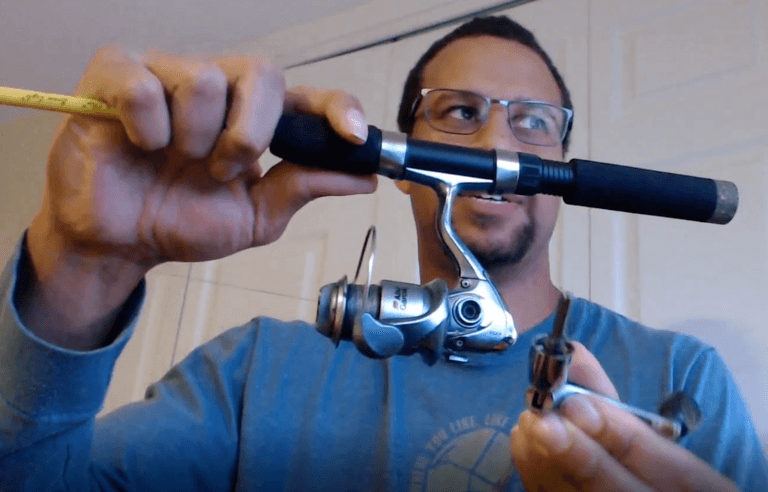
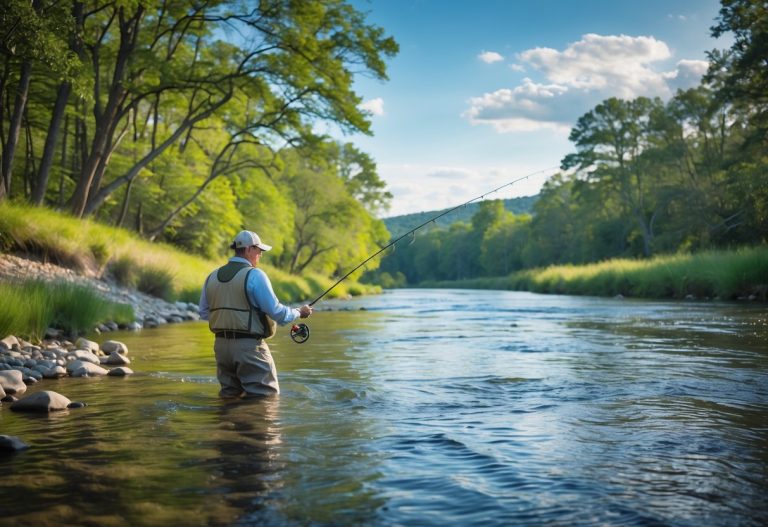
Flathead catfish are predators that favor live, active prey, so the best bait for flathead catfish is a legal live bluegill for anglers who want a dependable choice in rivers, reservoirs, and family-friendly bank-fishing situations. A lively baitfish sends vibration and movement through the water, helping a flathead locate it in low light.
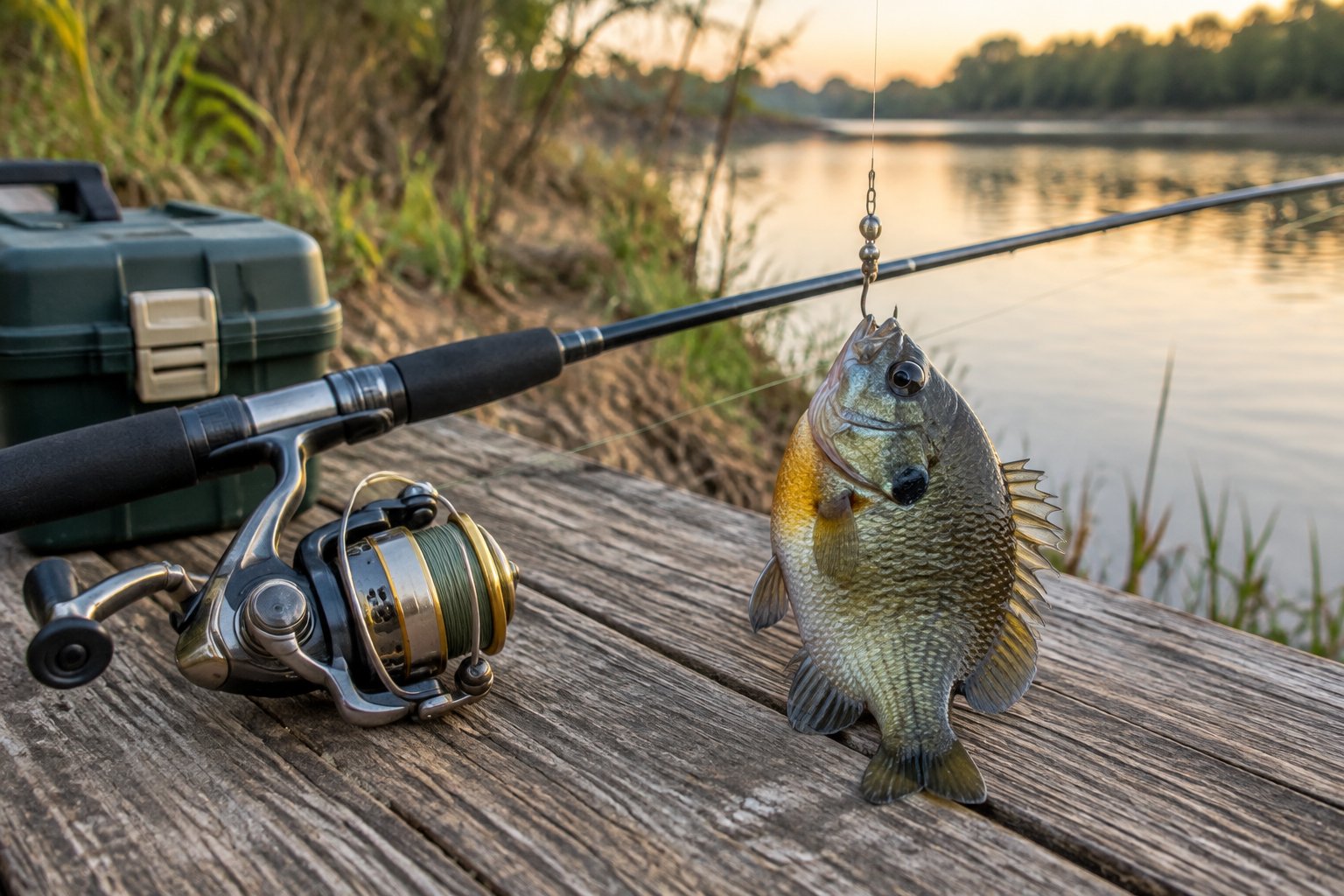
Your local regulations decide which baitfish you may catch, possess, and use. Check the current rules before fishing, then keep the setup simple: a sturdy rod, strong line, a suitable circle hook, and a live baitfish placed near cover or a channel edge.
1. Live Bluegill
Live bluegill is the leading flathead bait choice because its swimming action and natural scent appeal to a predator that hunts live prey. Choose a healthy baitfish that swims strongly and matches the size of forage in the water.
Use a bait bucket or aerated container to keep bluegill lively between bites. Keep the water cool, change it when it becomes dirty, and handle the baitfish with wet hands to protect its slime coat.
Hook placement affects how long the bait stays active:
- Hook through the back behind the dorsal fin when fishing a stationary rig.
- Hook through the lips when you need the baitfish to pull naturally in current.
- Keep the hook point exposed so it can catch cleanly.
A medium bluegill suits many beginner setups, while a larger baitfish can appeal to bigger flatheads. Match bait size to your hook, leader, current, and local regulations.
For more live-bait basics, see this guide to live bait fishing for catfish.
Match Your Bait to the Water and Local Rules
Live bluegill is the first choice when it is legal, available, and native to the water you are fishing.
When Is Live Bluegill the Best Choice for Flathead Catfish?
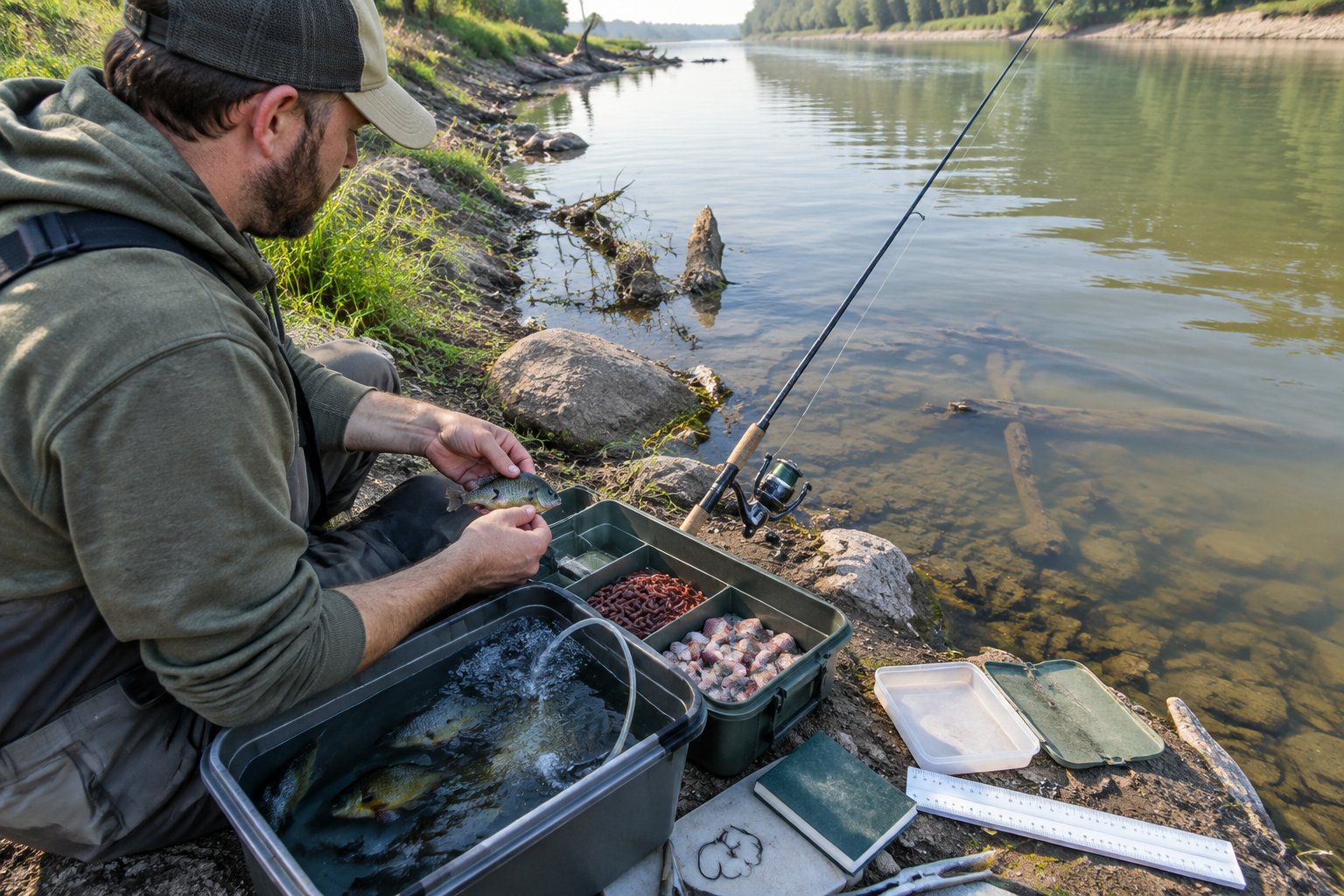
Live bluegill fits clear or stained water where flatheads have access to cover, current breaks, submerged timber, or deep holes. Its movement helps a catfish find the bait when visibility is limited.
Use a lively bluegill when you can place it close to structure without allowing it to wrap the line. A slip-sinker rig keeps the bait near the bottom while letting a flathead move off with it.
Bluegill also works well for a short evening trip because you can catch bait near the same lake or river before setting your catfish rig. Keep a few backup baitfish ready in case the first one becomes weak.
What Live Bait Can You Legally Use in Your State?
Your state fishing regulations determine whether bluegill, sunfish, shad, perch, or other baitfish are legal. Rules can cover where you catch bait, how you transport it, possession limits, hook restrictions, and whether live fish may move between waters.
Read the current regulations for the exact water you plan to fish. Use bait caught from that water when required, and avoid releasing leftover bait into a different lake or river.
When Should You Use Other Legal Local Baitfish Instead?
Choose another legal local baitfish when flatheads in your water feed heavily on that species or when bluegill are difficult to keep lively. Shad, sunfish, and perch can work where regulations allow them and where they occur naturally.
A baitfish that survives the trip and stays active on the hook is more useful than a larger option that quickly becomes weak. Keep your bait choice practical for the water, the weather, and the time available.
A Simple Flathead Catfish Rig for Beginners
A slip-sinker rig with heavy line, a strong leader, and an exposed circle hook gives beginners a manageable way to present live bait near the bottom.
What Basic Gear Do You Need for a Bank-Fishing Rig?
Pack a medium-heavy or heavy rod with enough backbone to control a fish near wood and current. Pair it with a reel holding strong braided or monofilament line, then add:
- A sliding egg sinker sized for the current
- A bead to protect the knot
- A sturdy swivel
- A short, abrasion-resistant leader
- A circle hook sized to the baitfish
- Long-nose pliers or a hook-removal tool
- A landing net and bait container
Set the drag firmly enough to turn a fish, while leaving room for controlled line movement. Keep your rod in a secure holder and clear the area around your feet before casting.
How Do You Rig Live Bluegill Without Hurting It?
Pass the hook through the back just behind the dorsal fin, placing it shallowly so the baitfish can swim. Keep the hook point and barb exposed, and avoid crushing the baitfish with pliers.
A lip-hooked bluegill works well when you want it to face into current. A back-hooked baitfish provides active movement around a stationary bottom rig.
Where Should You Place the Rig in a River or Lake?
Place your bait near deep cover, the downstream side of a log, a channel edge, or a slack-water pocket beside current. Flatheads use these areas for shelter and ambush opportunities.
Cast beyond the target when possible, then let the sinker settle while the baitfish moves naturally. Keep enough distance from heavy cover to reduce snags, especially during a quick bank-fishing trip.
When to Fish for Flathead Catfish
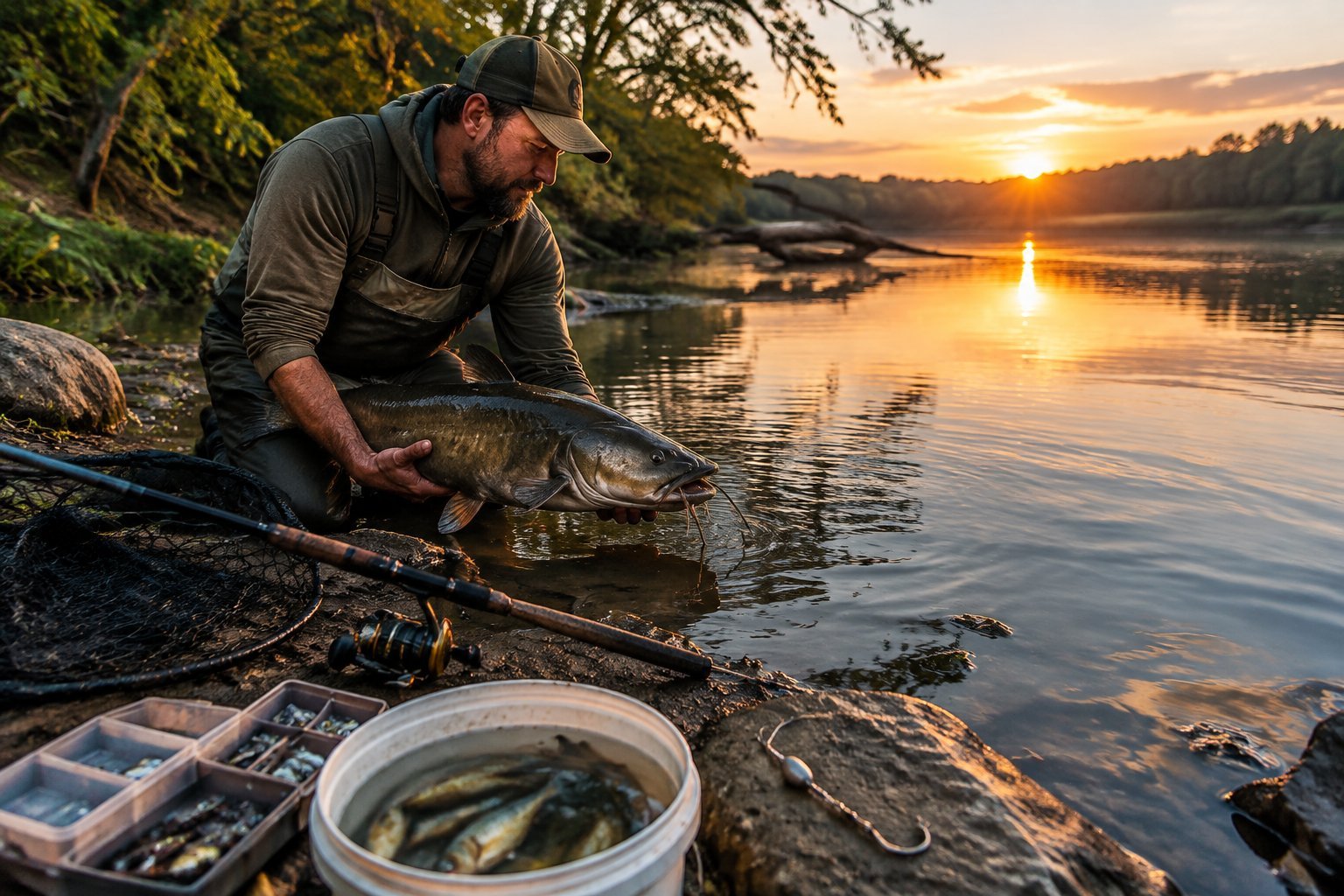
The best time to fish for flathead catfish is from late afternoon through nighttime, when their predatory activity increases and live bait can work close to cover.
What Is the Best Time of Day to Catch Flathead Catfish?
Start in the final hours of daylight and continue into the first part of the night. This schedule gives you time to catch bait, set the rig, and fish during the low-light period without requiring an all-night outing.
Warm water can increase flathead activity, while sudden cold fronts can slow the bite. Watch water temperature, river level, and current changes when choosing your evening.
How Can You Plan a Short After-Work or Family Fishing Trip?
Catch or purchase legal bait before leaving home, prepare leaders in advance, and carry one spare rig for fast replacement. Choose a familiar bank spot with safe footing, room for children, and access to deep water or nearby cover.
A two-hour plan works well:
- Arrive before dusk and organize the bait container.
- Position one or two rods near separate pieces of cover.
- Check bait condition regularly and keep hooks clear.
- Stop before darkness becomes unsafe for your group.
Keep children behind the casting area and assign one adult to monitor rods and hooks.
What Should You Do If You Do Not Get a Bite?
Check the bait first, then adjust location before changing everything else. Replace a weak baitfish, inspect the hook point, and move the rig closer to a channel edge, current break, or submerged cover.
Give a new spot enough time for the bait to settle. If the river level, wind, or temperature changed, record the conditions so your next short trip starts with a more informed location choice.
Frequently Asked Questions

What is the best bait to catch a flathead catfish?
Live bluegill is the best starting bait when state regulations allow its use. A healthy, active baitfish produces movement and vibration that suit the flathead’s predatory feeding behavior.
Will flathead catfish eat cut bait?
Flathead catfish will eat cut bait, especially when other food is available or when the bait releases a strong scent. Live bait remains the more focused choice for targeting flatheads because it adds swimming movement.
What is the best time to catch flathead catfish?
Late afternoon through nighttime provides a productive window for flathead catfish. Begin before dusk so you can set up safely and fish through the first low-light period.
Can I use bluegill as flathead catfish bait?
You can use bluegill when your state and the specific water allow it. Check rules for capture, transport, possession, size, and hook use before placing a bluegill on your rig.
How do I catch flathead catfish in rivers?
Use a live legal baitfish on a slip-sinker rig near deep cover, channel edges, current breaks, and slack water. Keep the bait active, maintain enough distance from snags, and use strong tackle for controlling fish in current.
What size hook should I use for live bait for flathead catfish?
A strong circle hook in the approximately 5/0 to 8/0 range suits many medium to large live-bait setups. Match the hook to the baitfish size, follow local hook regulations, and leave the point exposed for a clean hookup.