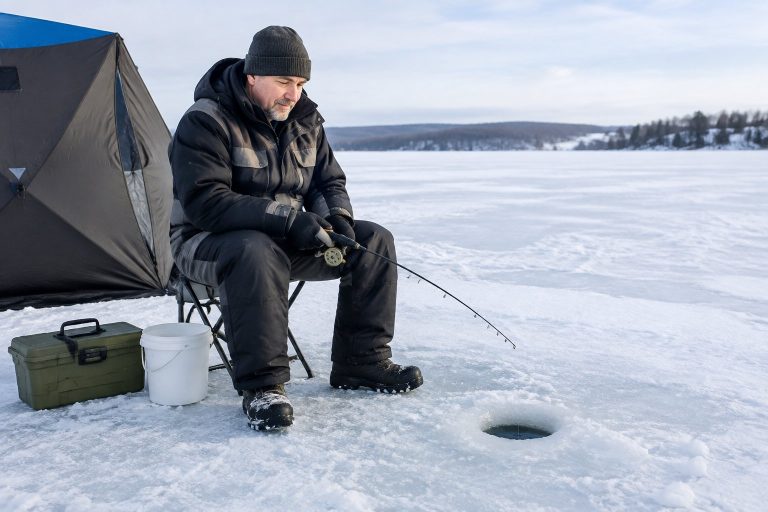
Waxworms stay alive longest when you keep them cool, dry, and ventilated in the cup they came in. Store your wax worms at a steady 55–60°F with dry bedding and a vented lid, remove dead or cocooned larvae as you find them, and they will last several weeks between fishing trips. Heat makes them turn into moths, cold below 40°F kills them, and damp bedding spoils the whole cup.
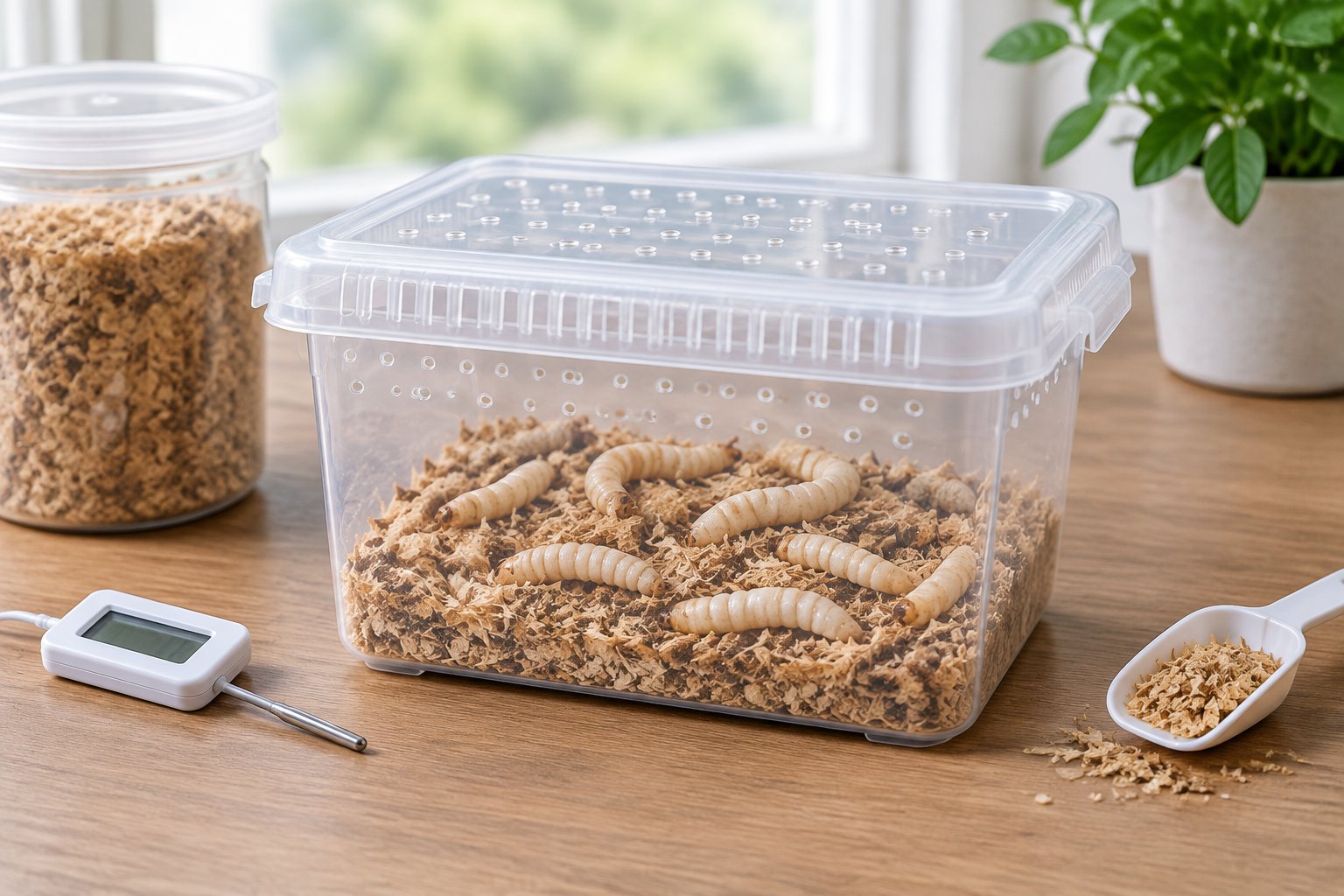
Get that right and one cup of live bait covers several short outings: a lunch-break pond session, an evening with your kids, or a weekend morning on the ice. The steps below take a few minutes a week.
What Storage Conditions Do Your Waxworms Need?
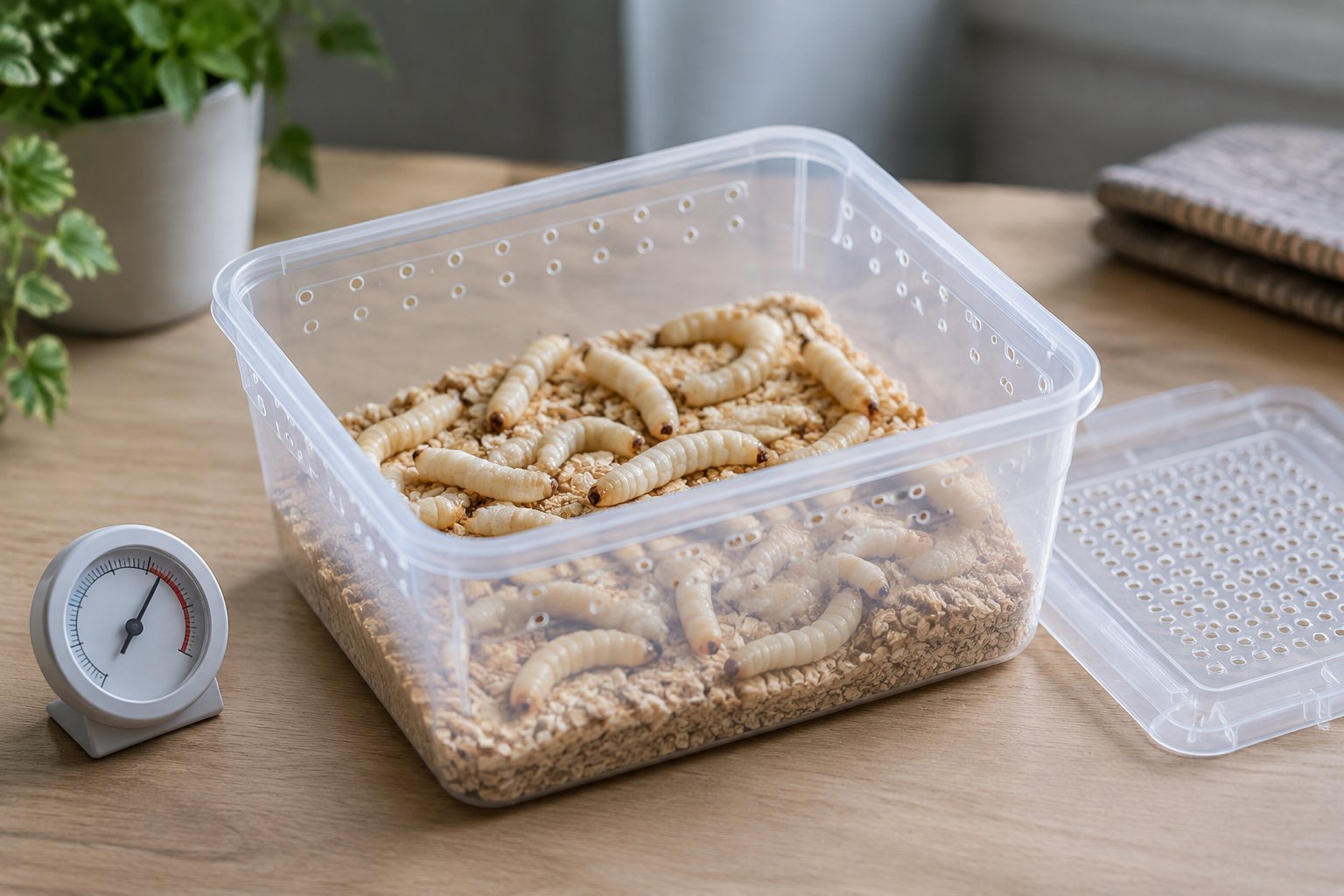
Waxworms need a cool, steady temperature and low humidity, and that care plan differs from what earthworms or mealworms need. Confirm what you bought, read the supplier’s label, and then pick a storage spot that holds close to 55–60°F.
Identify Waxworms Before Applying Other Worm Care Advice
Waxworms (anglers call them “waxies”) are the caterpillar larvae of the greater wax moth, Galleria mellonella. They are soft, plump, and creamy tan, with small brown or black heads, and they run about ½ to ¾ inch long. Some bait shops also sell larvae of the lesser wax moth, which are smaller but take the same basic care.
This identification step prevents the most common mistake. Earthworm advice calls for moist soil and cold storage, and that advice kills waxies fast. The cool, damp bedding you would use for nightcrawler fishing grows mold in a waxworm cup within days.
Mealworms are a separate insect too. They are harder, darker, and segmented, and they have their own worm care rules. If your bait came labeled “waxies,” “bee moth larvae,” or “waxworms,” follow this guide.
Check Your Supplier’s Storage Instructions First
Read the cup label or the supplier’s website before you change anything. Bait companies know how their larvae were raised and shipped, so their directions fit your batch.
Advice varies more than you might expect. One waxworm supplier for anglers suggests holding cups at 65°F for 2 to 3 weeks before refrigerating. The same company says refrigeration does more harm than good if you plan to use the bait within 4 weeks, and that waxworms should stay refrigerated once you move them there.
Pet feeder suppliers lean toward a constant 55–60°F. When the label and a general guide disagree, go with the label.
Aim for a Stable 55–60°F Unless Your Supplier Advises Otherwise
A constant 55–60°F keeps waxworms dormant. In that state they stop growing, burn their fat slowly, and hold off on spinning cocoons. Swings in temperature push them toward the moth stage sooner.
Good spots around a US home include:
- A basement or cellar
- A wine cooler
- An unheated mudroom or spare room
- A garage in fall or spring (watch for freezing nights and hot afternoons)
A cheap indoor thermometer removes the guesswork. Set it next to the cup for a day before trusting a new spot.
Can You Use a Refrigerator, and How Long Will They Last?
The main body of most household fridges runs too cold for waxworms. The door shelf, including the butter compartment, is the warmest area and works for many anglers. If your fridge door drops below 40°F, room temperature with low humidity is the safer choice.
Here is a realistic timeline:
| Storage spot | Approximate life |
|---|---|
| Room temperature, dry | 1–2 weeks |
| Steady 55–60°F | Several weeks, up to about 8 |
| Fridge main shelf (below 40°F) | Days; many die quickly |
Freezing kills waxworms outright, so keep cups away from freezer vents and the back wall of the fridge.
Which Container and Bedding Keep Moisture Under Control?
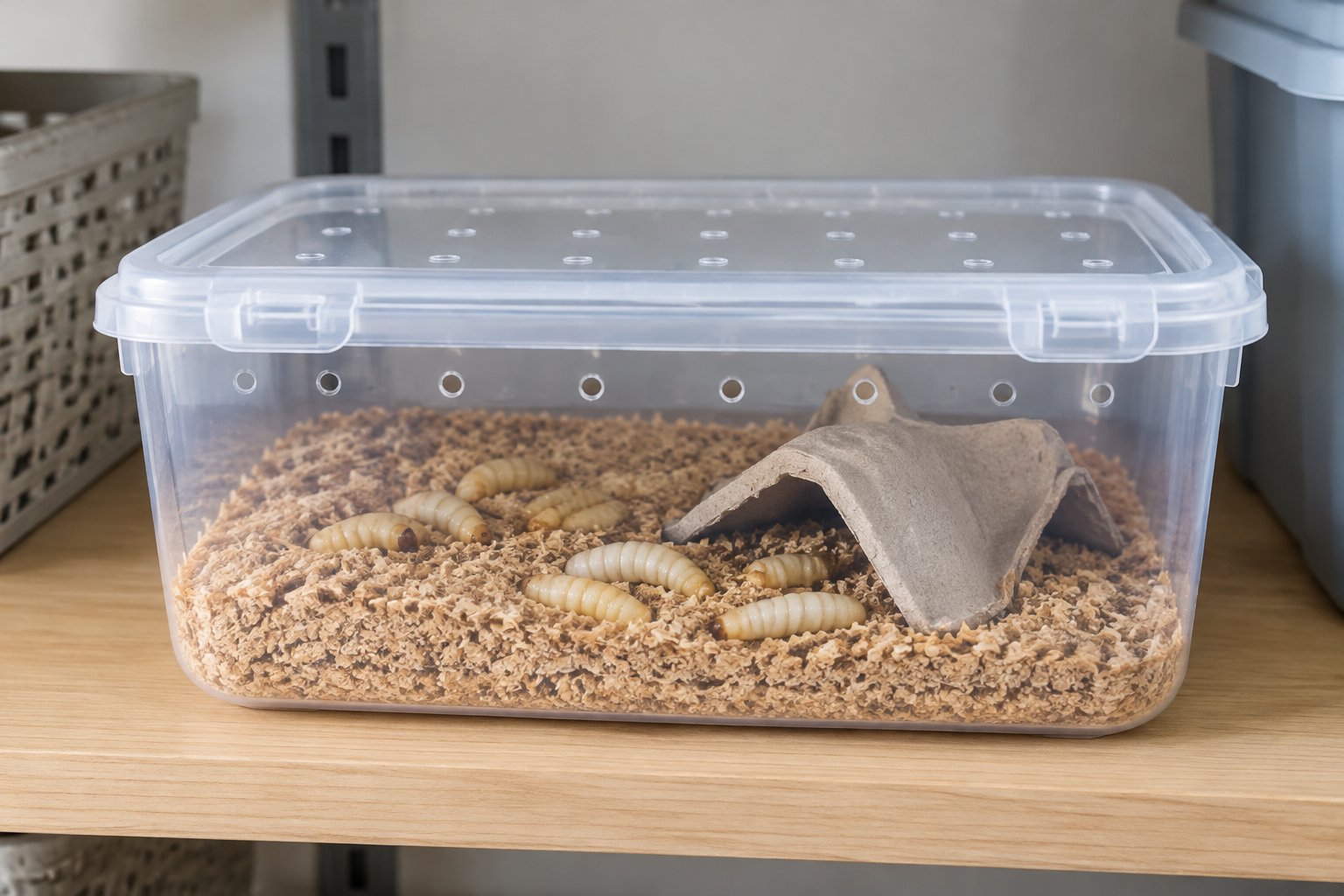
A vented container with dry bedding keeps humidity low, and low humidity is the core of good waxworm care. Keep the factory cup in most cases, upgrade to a wider tub when the cup is packed, and never add water.
Keep the Original Ventilated Cup Unless It Is Overcrowded or Damaged
Suppliers ship live waxworms in cups with small air holes and bedding sized for the count. For a cup you will fish within two or three weeks, leave everything as it is.
Move them when the cup is crowded, cracked, or holding more than you will use soon. More surface area helps them last. A margarine tub, a shallow food container, or a gallon ice cream pail works well. One bait supplier suggests putting one or two cups’ worth in an ice cream pail with the lid left off. Waxworms rarely climb out of a smooth-sided pail.
Keep the empty original cup. It makes a handy trip cup later.
Use Dry Supplier Bedding or an Appropriate Replacement
Waxworms usually ship in wood shavings, sawdust, or wheat bran. That bedding soaks up moisture and gives the larvae something to grip and burrow into.
If the bedding gets dirty or damp, swap it for fresh, dry material of the same type. Plain wheat bran or untreated wood shavings both work. Skip soil, peat, shredded newspaper, and anything damp; those belong with earthworms. Changing bedding every 3 to 4 weeks keeps a long-stored batch clean.
Prevent Condensation Without Adding Water or Damp Food
Condensation forms when a cool cup meets warm air. Wipe beads of water from inside the lid as soon as you see them, especially right after the bait arrives or comes out of the fridge.
If the bedding feels moist when you pinch it, take the lid off for a few hours so it dries. Never mist the cup, drop in fruit or vegetables, or set it in a humid spot like a bathroom or laundry room.
Do Stored Waxworms Need Food?
Most purchased waxworms need no food at all. They live off stored body fat at this stage, and added food mainly adds moisture and mold risk.
Why Mature Bait Larvae Usually Need No Added Food
The waxworms sold as fishing bait have reached the end of their growing stage. They have stopped eating and survive on the fat in their bodies. Kept cool, that fat lasts for weeks.
You will see them shrink a little over time as they use up that fat. That shrinking is normal. A slightly smaller waxie still wiggles on a hook and still catches panfish.
How Feeding Growing Larvae Differs From Storing Purchased Bait
People who raise waxworms from eggs feed growing larvae a mix of oats or bran with honey, and in nature the larvae eat beeswax and honeycomb inside beehives. Breeding is a different project from keeping a cup of bait alive for your next trip.
Some anglers who store waxies at about 55°F for more than a few weeks add a pinch of bran or oats mixed with raw honey every few weeks. If you try it, use a very small amount and remove anything uneaten. Wet honey on bedding invites mold, so for a cup you will fish within a month, skip feeding entirely.
How Can You Tell Whether Your Bait Is Still Healthy?
Healthy waxworms look plump and pale and move when warmed for a minute in your hand. A quick weekly check catches problems before they spread through the cup.
Recognize Healthy Larvae Without Mistaking Cold Sluggishness for Death
Healthy waxworms are creamy white to light tan, firm, and rounded. Straight out of cool storage they barely move. That stillness is dormancy.
To check, set a few on your palm for a minute. Live ones start to curl and crawl as they warm. Dead larvae stay limp, then turn brown and black.
Some suppliers note that their larvae vary in color, so compare against how the batch looked on day one.
Remove Dead Larvae and Separate Cocoons
Pull out any black or shriveled larvae right away. Dead waxworms foul the bedding and shorten the lives of the rest. Check at least weekly, and daily if you have time. If you keep finding dried-out dead ones, check more often.
Also remove any larvae spinning silk or sealed in a cocoon. Those are on their way to becoming moths and are useless as bait. Seeing many cocoons tells you the storage spot runs too warm.
Respond to Mold, Sour Odors, and Damp Bedding
Use this quick guide when something looks wrong:
- White or green fuzz: remove affected larvae and bedding, then move the healthy ones into fresh dry bedding.
- Sour or rotten smell: sort out dead larvae and replace all the bedding.
- Damp, clumped bedding: take the lid off to dry it, or replace it.
- Many dark, sluggish larvae after fridge storage: your fridge is too cold; move survivors to a warmer spot.
To get rid of unwanted waxworms, seal them in a bag, freeze for at least 24 hours, and put them in the trash. Never dump leftovers at the water’s edge.
How Do You Protect Waxworms on a Quick Fishing Trip?
Take only the bait you need in a small cup, keep it shaded, and handle the larvae with dry fingers. That keeps your main supply safe at home for the next outing.
Pack a Small Bait Cup Away From Direct Sun and Ice Packs
Count out enough waxies for one session and put them in the original small cup with a little bedding. A dozen or two covers most short pond trips with kids.
Keep the cup in a shirt pocket, a shaded tackle bag, or a pocket of your tackle box. A dashboard or hot truck bed can cook them in minutes. Keep them off direct ice packs, which chill them too far. For winter outings, an insulated ice fishing bait bucket or an inside jacket pocket keeps them from freezing. Many anglers rely on waxies for ice fishing with wax worms for exactly this reason: they stay usable in cold air if you protect them.
Handle Larvae Gently and Keep Wet Hands out of the Storage Cup
Wet, slimy fingers dripping into the cup add moisture and fish smell. Dry your hands on a towel before reaching in, or shake a few waxies into the lid and pick from there.
Pinch gently. Squeezed larvae leak their juices, go limp, and lose the scent that draws bites. Let kids pour one into their palm before they try hooking it.
Use a Simple Bluegill Setup and Inspect Leftovers Before Storage
A light rod, 4–6 lb line, a small #10 or #12 hook, a split shot, and a bobber cover most bluegill fishing with waxies. Hook the waxworm once near the head so the body wiggles. The same bait also works when you are choosing what bait to use for trout in stocked ponds.
Before returning leftovers to your home supply, look them over. Toss any that are limp, crushed, or wet. Keep the trip cup separate for a day if it got warm, then add back only the lively ones.
Keep Bait Ready for Your Next Short Fishing Window
Healthy wax worms come down to a cool, steady spot, dry bedding, and a quick weekly check. Follow your supplier’s label first, then aim for 55–60°F and keep the fridge’s cold main shelf out of the plan.
Your weekly routine:
- Check the temperature where the cup sits.
- Wipe condensation and pinch the bedding for dampness.
- Remove black larvae and cocoons.
- Pack a small trip cup and leave the main supply at home.
A ready cup of bait removes one more hurdle when you have no time to go fishing during a packed week. Pair it with a pre-rigged rod and your other gear for fishing before work, and you can be on the water within minutes of a free window.
Get your gear ready and explore the related beginner-friendly guides before your next trip.