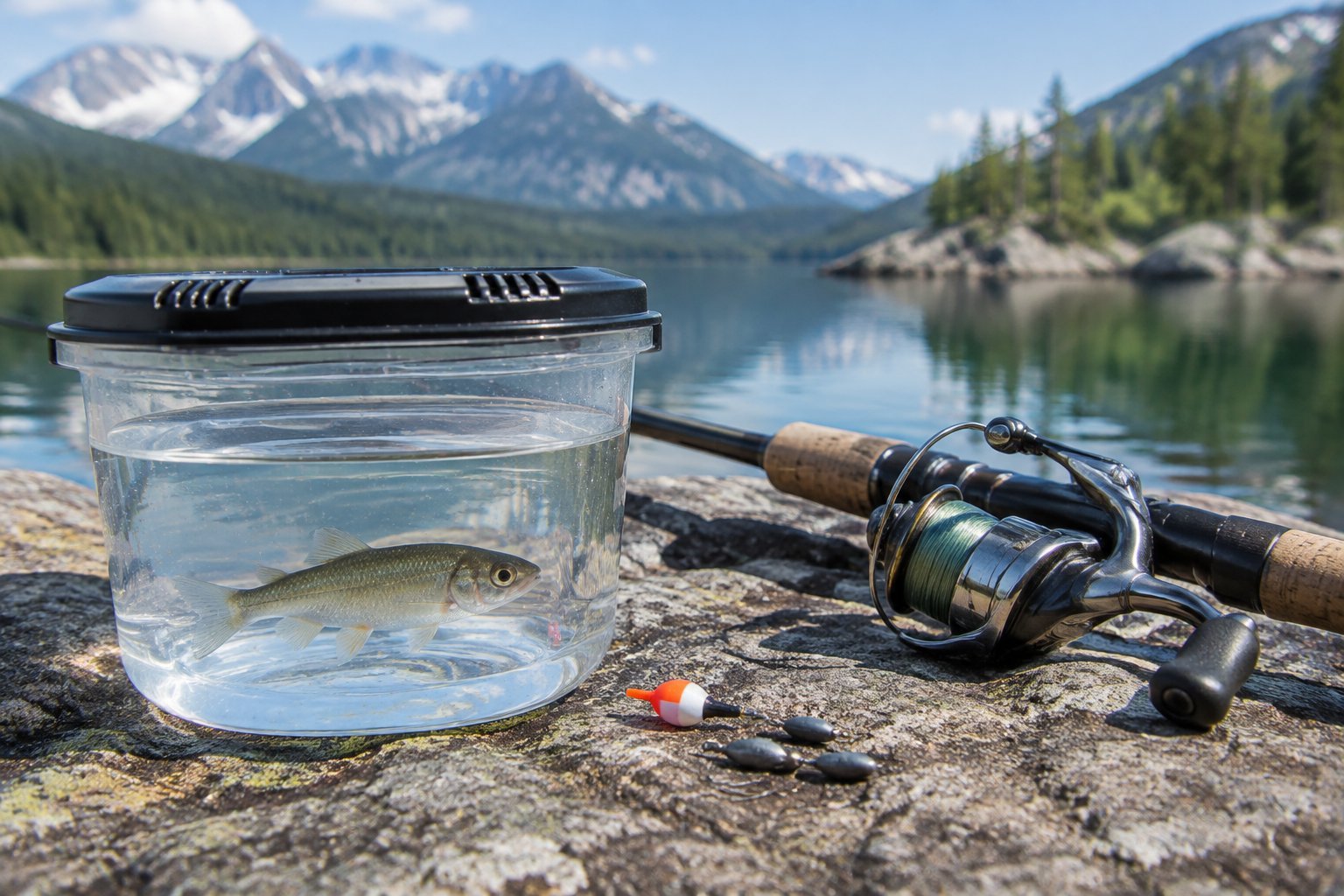
Lake trout feed heavily on baitfish, so live minnows are a strong starting choice when you want a natural presentation. For a simple first setup, use a legal live minnow on a single hook with a sliding egg sinker, then place it near the depth where your fish finder marks lakers.
A nightcrawler is an easy alternative for a short trip or a first outing with kids. Match the bait to local rules and the lake’s available forage, and you can keep your tackle simple while giving the bait a natural drift or slow movement.
What Do Lake Trout Naturally Feed On?
Lake trout eat baitfish when those prey are available, while worms, eggs, insects, and small aquatic animals offer useful alternatives. Your best trout bait is the legal option that resembles food in the lake and suits the depth you’re fishing.
Which Baitfish Are Best for Lake Trout?
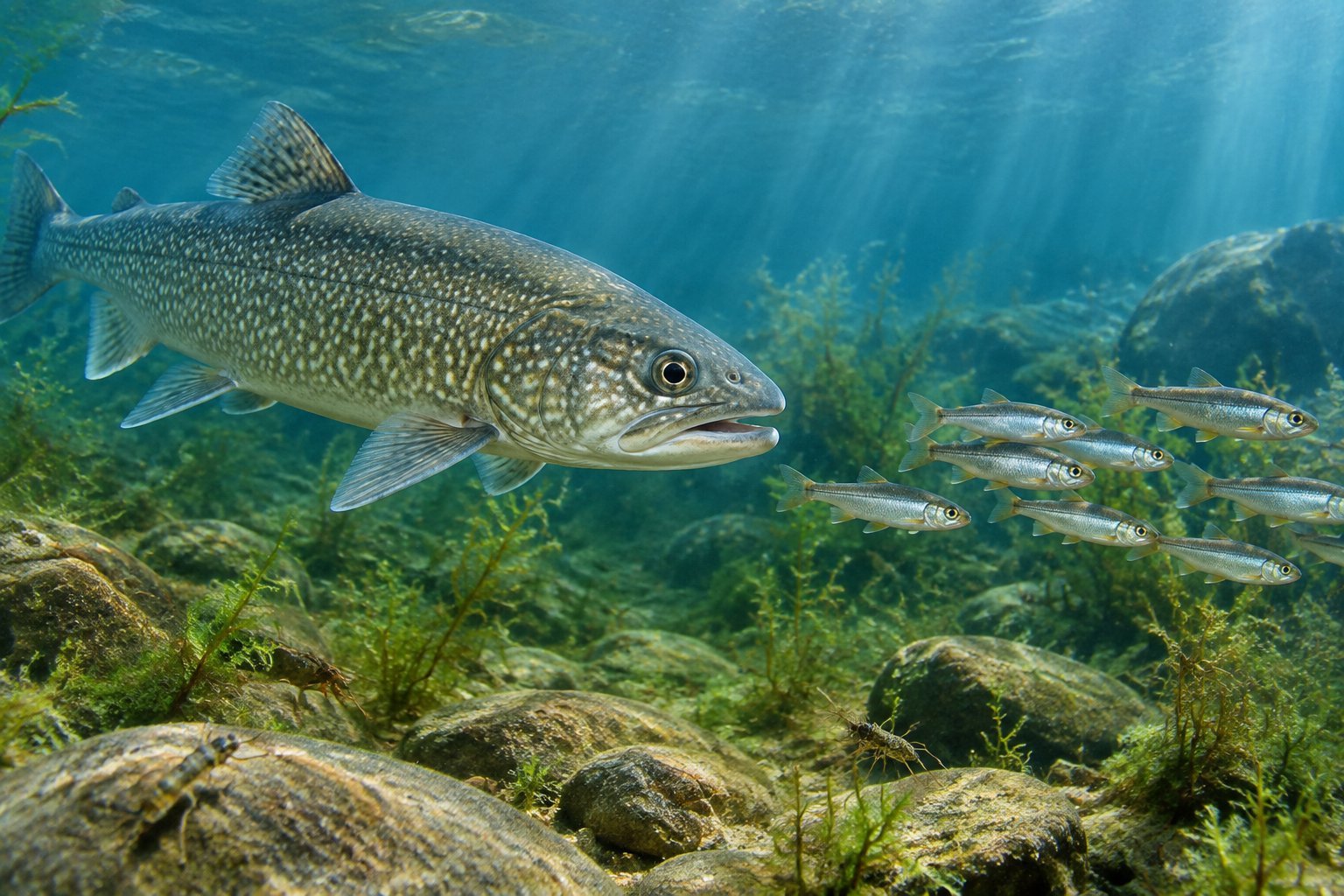
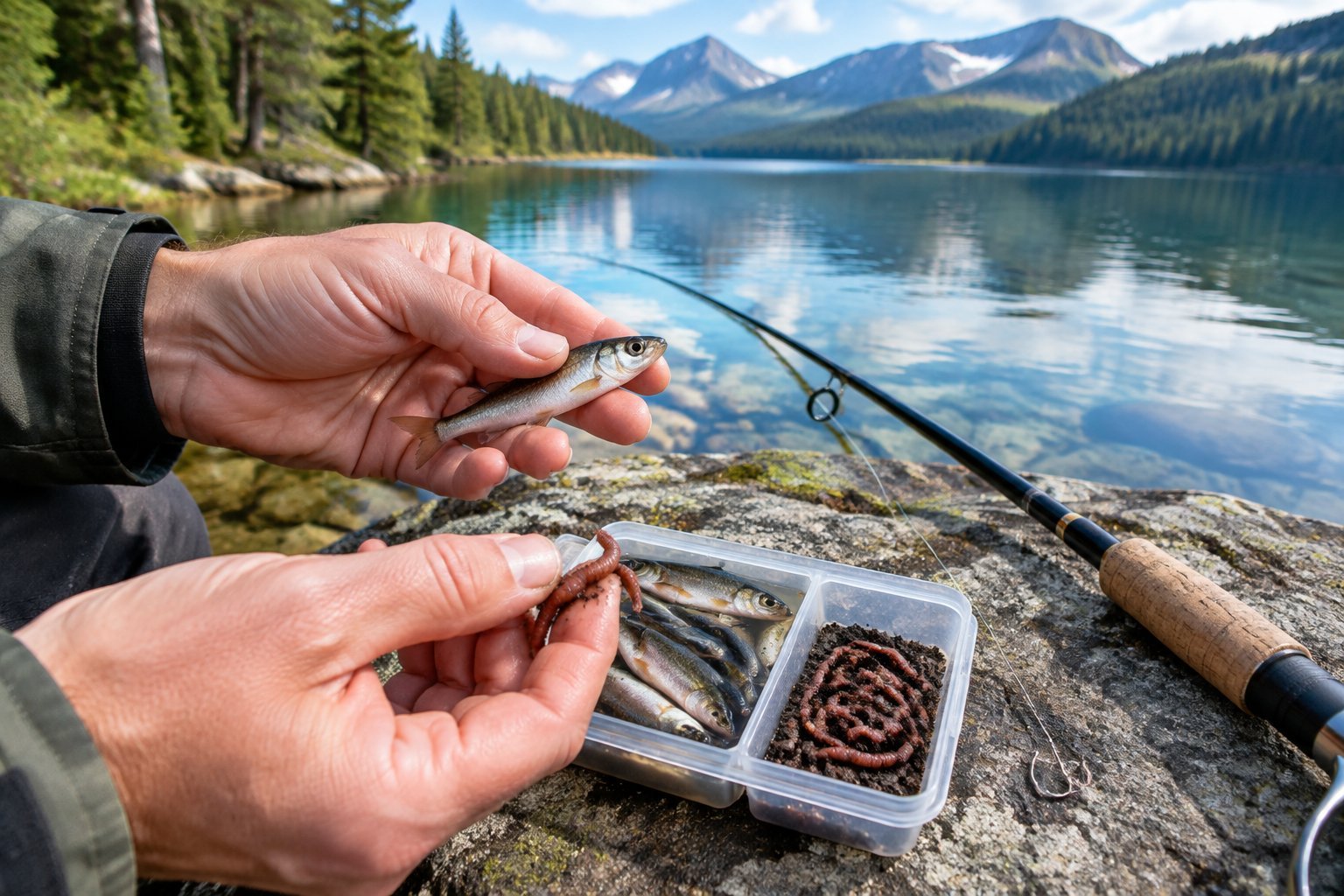
Minnows are a practical first pick because lake trout are predators that feed on smaller fish. Fathead minnows are commonly used as manageable live bait; ciscoes and alewives are examples of larger lake forage where they occur. Sculpin and other sculpins also make sense when they are part of the local food supply and legal to use.
Choose baitfish that fit the lake and the size of fish you’re targeting. A smaller minnow is easy to handle and rig, while a larger baitfish presents a bigger meal for lakers, also called Mackinaw or Namaycush. Check the bait shop or local fishing rules before transporting bait between waters.
When Do Worms, Eggs, and Insects Make Sense?
Nightcrawlers and smaller worms, including red wigglers, are convenient when you need bait that is easy to rig and carry. Salmon eggs, including Pautzke Balls O’ Fire salmon eggs, offer a compact option, while crayfish and shrimp can match local forage where their use is allowed.
In warmer months, grasshoppers and crickets can work when fish are feeding near the surface or along weedy edges. Mealworms, wax worms, waxworms, and hellgrammites are smaller offerings to consider when you want a compact presentation. Keep the bait lively and present it at the depth where fish are feeding.
Can Prepared Baits Help When Live Bait Is Unavailable?
Prepared baits are useful when you can’t get live bait or local rules restrict it. Berkley Gulp! Alive! minnows offer a baitfish-shaped artificial option; Berkley PowerBait, PowerBait trout nuggets, and dough bait are more commonly associated with stocked trout.
Corn and a trout magnet are other alternatives, though their fit depends on the lake and regulations. Check the label and local rules before fishing. For a broader overview of what bait to use for trout, compare the options with the species and conditions you expect.
When Should You Choose Each Bait?
Choose bait based on the prey available, the fish’s activity, and the water conditions. A small natural offering suits a cautious bite, while a larger baitfish can target a bigger predator.
How Do Season and Water Conditions Affect Bait Choice?
In cool spring and fall conditions, lake trout may move closer to shore or rocky structure, making a minnow or worm manageable to present from a bank or boat. As surface water warms, fish may hold deeper near cooler water or follow baitfish offshore. Use the bait that matches the forage you find and adjust its depth when fish move.
Water clarity also affects presentation. In clear water, keep the rig and movement subtle; in stained water, a lively bait or a scent-bearing option can help fish find it. If you’re fishing for stocked trout in a lake, prepared bait may be familiar to them, while wild trout are more likely to respond to natural prey available in their environment.
Should You Use Larger Baits for Bigger Fish?
A larger baitfish can help you focus on big lake trout because larger lakers can take larger prey. Keep the bait size practical for your tackle and local rules, and check that your hook holds securely without preventing natural movement.
For a short family outing or when you’re learning, start with a smaller minnow or worm that’s easier to handle. A trophy lake trout is never guaranteed by bait size alone, so prioritize finding fish and presenting the bait at their depth.
How Do Lake Trout Differ From Other Trout?
Lake trout are coldwater predators that spend much of their time in lakes, where baitfish can be a major food source. Rainbow trout, brook trout, and brown trout also eat fish, insects, and other prey, but they may feed in different habitats and respond to different presentations.
That distinction matters when selecting bait for stocked trout in a pond or smaller lake. Nymphs and dry flies can suit trout feeding on insects near the surface, while a live minnow is a more direct choice when you’re targeting lake trout that are following baitfish. You can explore lake trout lures when you want an artificial option for covering water.
How Can You Rig Live Bait Simply?
A sliding egg-sinker rig is an easy way to present a live minnow or worm near the bottom while keeping the bait’s movement relatively free. Use a hook that suits the bait and local rules, then keep the setup light enough to detect a bite.
How Do You Set Up a Basic Bottom-Fishing Rig?
Thread your main line through an egg sinker, then tie on a barrel swivel. Attach a leader to the other end of the swivel and tie on a single hook. The sinker slides on the main line, letting a fish take the bait with less direct resistance from the weight.
Use a leader length that lets the bait move naturally while keeping it close to the zone you’re fishing. Hook a minnow through the lips or lightly behind the dorsal fin, taking care to avoid its spine. For a nightcrawler, thread enough onto a baitholder hook to keep it secure and leave a short section free to move.
When Should You Use a Single Hook or Treble Hook?
A single hook is a straightforward choice for live bait and makes hook removal easier when you plan to release fish. Select a size that fits the bait and target fish; a hook that overwhelms a small minnow can limit its movement.
A treble hook can be used where regulations allow and where you intend to keep the fish, though multiple points can make removal more difficult. Keep forceps or a dehooking tool within reach, and check hook restrictions for the specific lake before rigging.
How Can You Keep Bait Natural While Drifting or Trolling?
For a drift, use just enough weight to keep the bait in the target zone, then let the boat’s movement carry it along. A minnow hooked through the lips can swim with a more natural orientation; check it periodically to make sure it remains lively and securely attached.
Live-bait trolling rules differ by waterbody, so confirm that the method is permitted before you start. Trolling spoons and other lake trout lures are practical alternatives for covering water when live bait is restricted. For a more active presentation, lake trout jigging with tube jigs lets you work a marked fish vertically.
Where Should You Fish and How Deep?
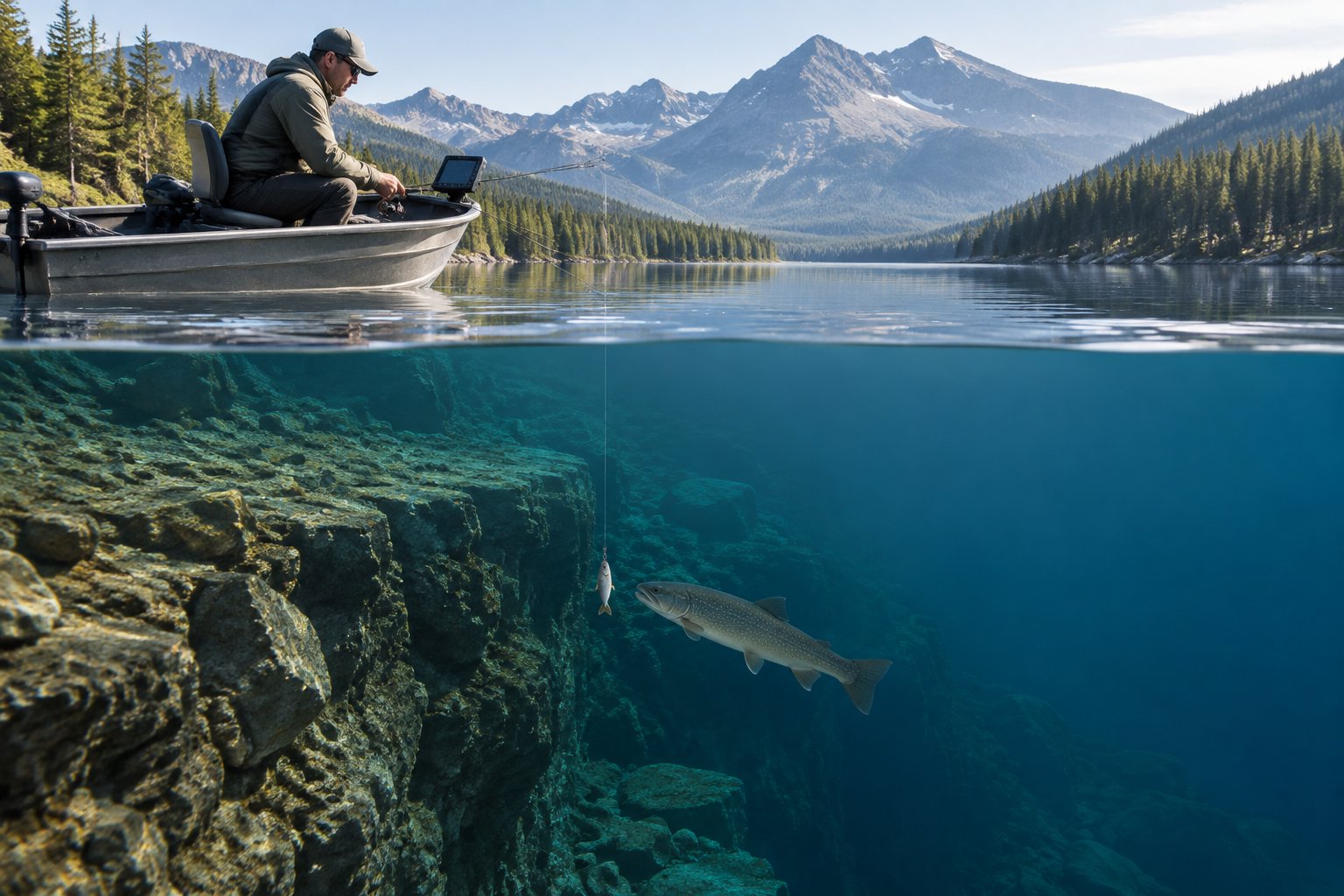
Find the lake trout first, then present bait at their depth. A fish finder helps locate fish and baitfish from a boat; from shore, focus on accessible drop-offs and deeper water.
How Can You Find Lake Trout From Shore?
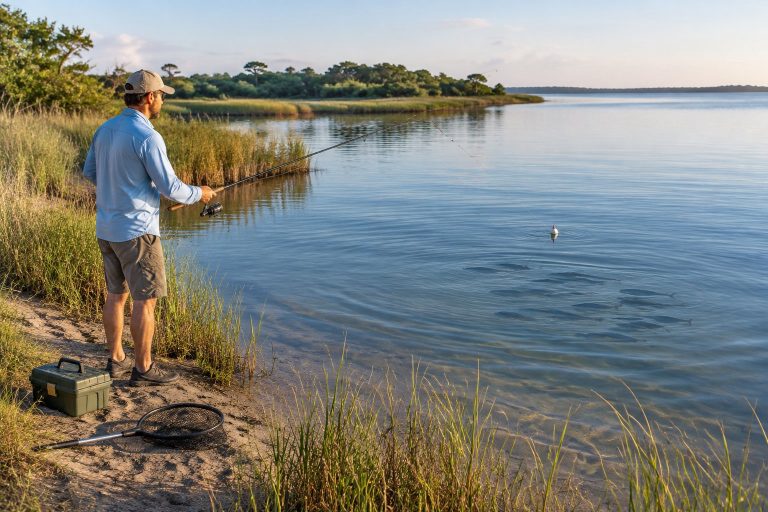
From shore, look for rocky points, steep banks, submerged structure, and places where deep water comes close to land. Cast beyond the shallow edge and use a slip-sinker rig to hold bait near the bottom or let it drift slowly along a drop-off.
Shore access limits how much of the lake you can cover, so move between legal access points if you don’t get bites. Keep casts clear of other anglers, and avoid leaving a baited line unattended where it could become a hazard.
How Do You Locate Fish From a Boat?
Use a fish finder to look for lake trout, baitfish, and changes in bottom depth. Start by checking drop-offs, points, and basin edges, then lower your bait to the depth where marks appear.
Downriggers help keep a bait at a controlled depth while trolling. If you don’t have them, a weighted bottom rig or vertical presentation can still work when you’re positioned over fish. Watch the line and rod tip closely, especially when a sinker is resting near the bottom.
What Depth and Temperature Should You Target?
Lake trout favor cool water, so depth shifts with season, lake structure, and temperature. In spring and fall, fish can move shallow; during warm periods, they may hold deeper near cooler water or follow baitfish through the water column.
Use your fish finder and local lake information to locate fish rather than relying on a fixed depth. If you’re fishing without electronics, work a nearby drop-off at several depths and note where you get bites. Keep the bait close to that level on your next pass.
What Rules and Safety Checks Matter?
Check local live bait regulations before buying, collecting, transporting, or using bait. Rules differ by state and waterbody, and they can cover bait species, bait transport, hook types, and fishing methods.
What Local Rules Apply to Live Bait?
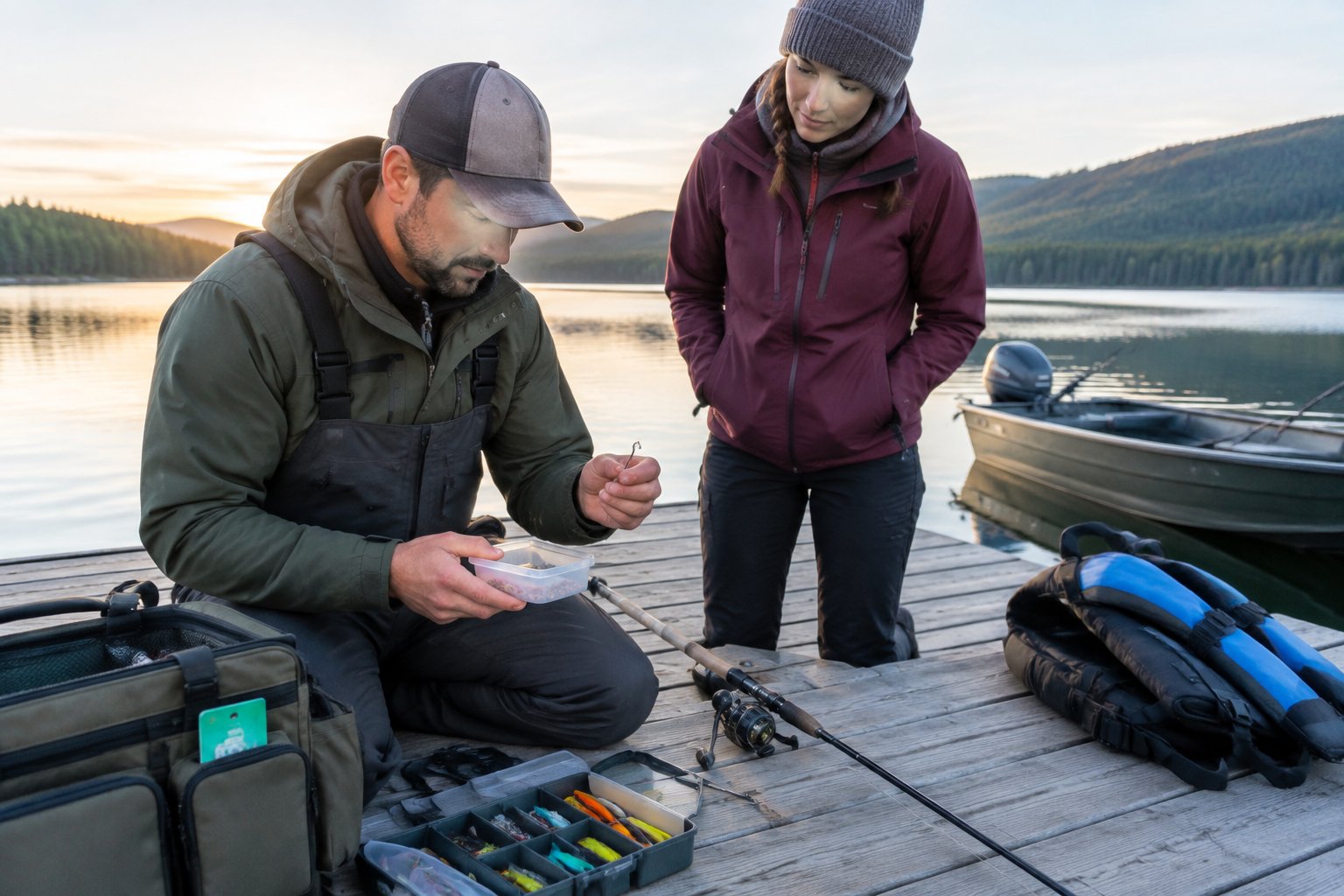
Read the current fishing regulations for the state and specific lake before your trip. Confirm whether live minnows are permitted, which species are allowed, and whether you can move unused bait to another waterbody. Some waters restrict live fish bait to reduce the spread of invasive species or disease.
Check licensing, season dates, size limits, and daily possession limits as well. Keep bait in its original container when practical, and dispose of unused bait according to local instructions instead of releasing it into the lake.
How Can You Handle Bait and Fish Responsibly?
Keep bait in a secure container with suitable water and shade, and limit how long you handle it. Wet your hands before touching a fish, support its body, and keep it in the water while you prepare to remove the hook.
Use forceps for hook removal and cut the line if a deeply embedded hook cannot be removed without causing additional injury. Handle treble hooks carefully, keep hooks covered when not in use, and supervise children closely around bait, knives, and tackle.
Frequently Asked Questions
Live minnows and nightcrawlers are accessible choices for lake trout, with the right presentation depending on where fish are feeding. Confirm local bait rules and place your offering near marked fish or a known drop-off.
What live bait works best for lake trout?
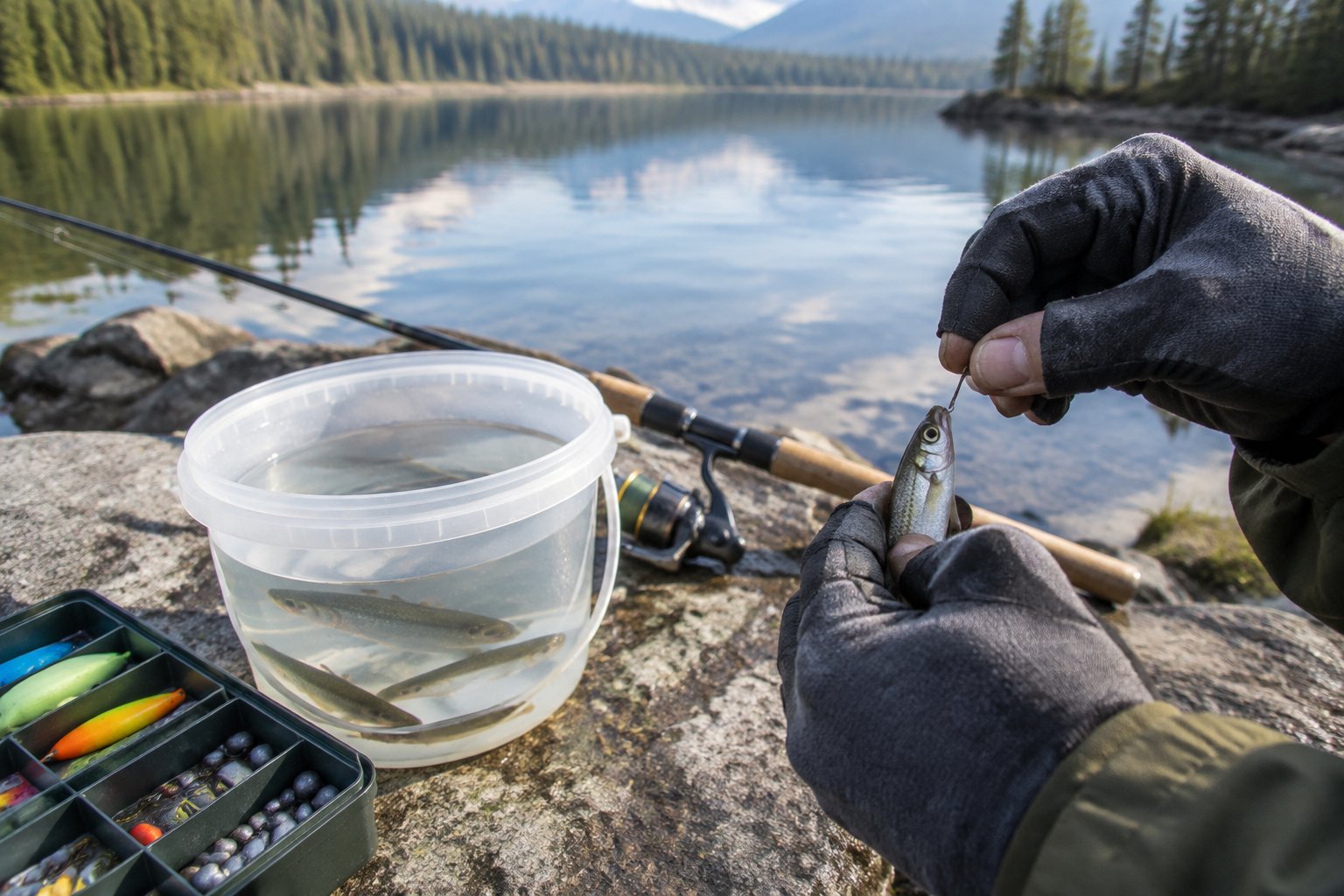
Live minnows are a strong first choice because lake trout feed on baitfish. Nightcrawlers are a simple alternative when you want easy-to-handle bait, while local forage and regulations should guide other choices.
Can you catch lake trout from shore with live bait?
Yes, you can fish live bait from shore where deep water, a drop-off, or rocky structure is within casting distance. Use a sliding sinker rig and let the bait sit or drift near the bottom, checking your line regularly.
What size hook should I use for lake trout bait?
Choose a single hook that fits the bait and the fish you’re targeting; the bait should still move naturally after you rig it. Local rules may restrict hook types or sizes, so check the regulations before fishing.
How deep should live bait be for lake trout?
Present your bait at the depth where lake trout are holding, which changes with season, water temperature, and lake structure. Use a fish finder from a boat, or work several depths along a shore drop-off.
Can I use minnows as bait for lake trout?
Yes, minnows are a natural baitfish-style offering for lake trout when live minnows are legal on your water. Hook one lightly through the lips or behind the dorsal fin, and keep it near the depth where fish are feeding.
Get your gear ready and explore the related beginner-friendly guides before your next trip.