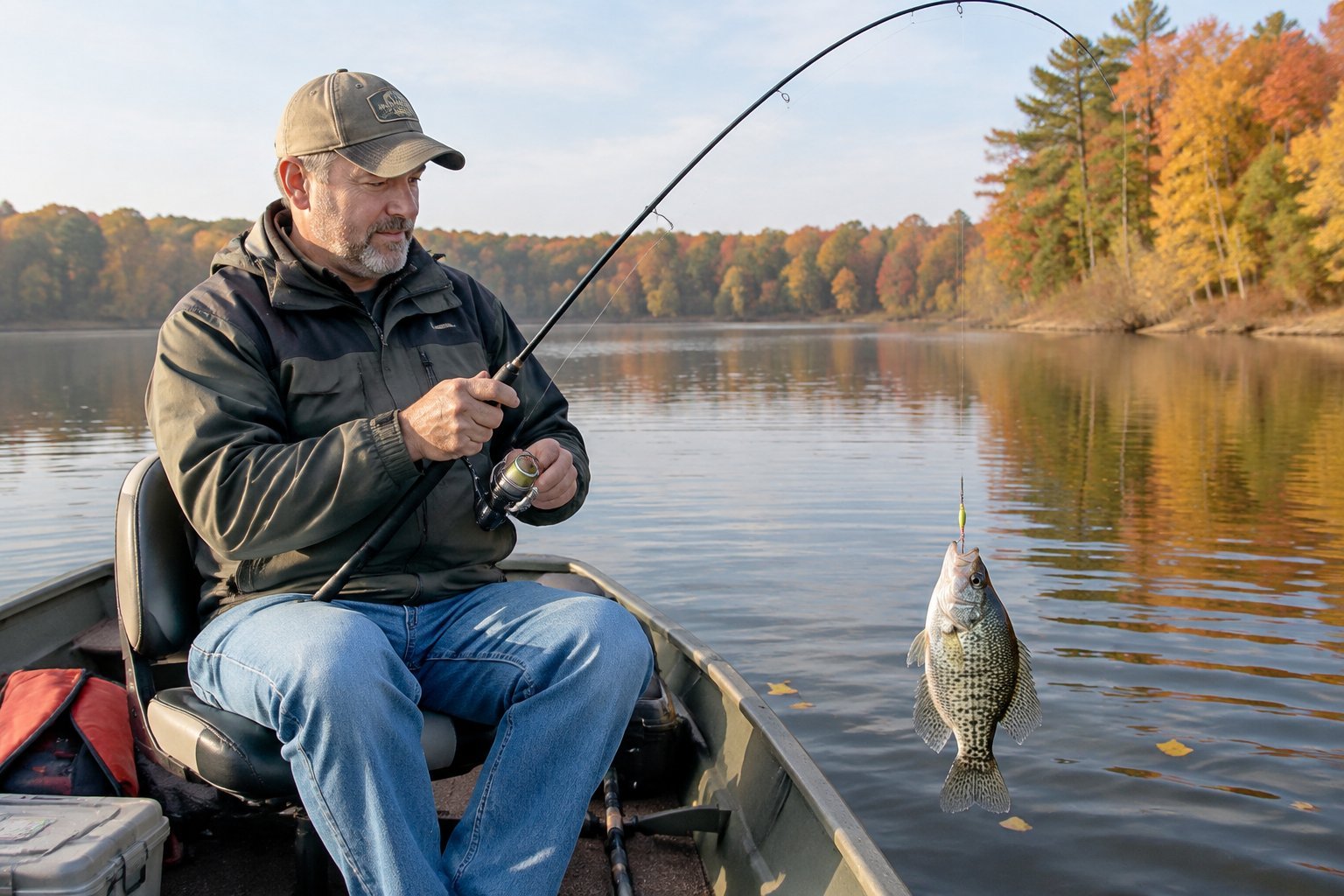
For fall crappie fishing on a short trip, start near a creek channel or drop-off with a small jig or minnow under a slip bobber, then adjust the depth until you find fish. Cooling water shifts crappie toward food and cover, so a focused search can help you spend less time guessing and more time fishing.
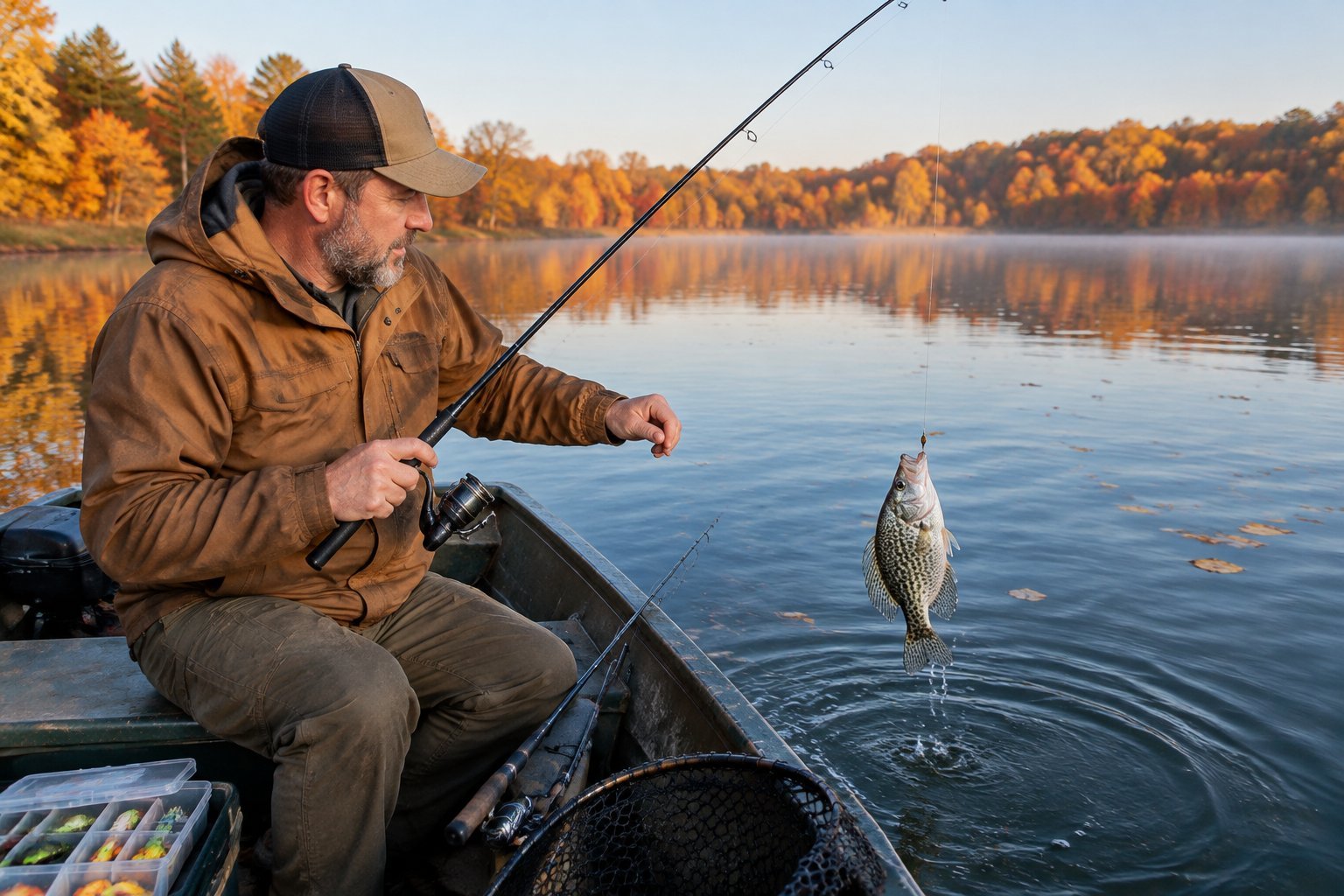
You can keep the plan simple: look for baitfish near channel edges, check nearby cover, and present your bait at the depth where crappie are holding. That approach works from a boat or shore and gives beginners, busy adults, and kids a clear way to get started.
How Fall Movement Helps You Find Crappie
Fall crappie fishing gets easier to organize when you follow the movement of baitfish and check nearby cover as water temperature cools. The fall crappie bite can shift from one depth to another, so use visible signs and a few short tests to narrow your search.
How Cooling Water Changes Crappie Location
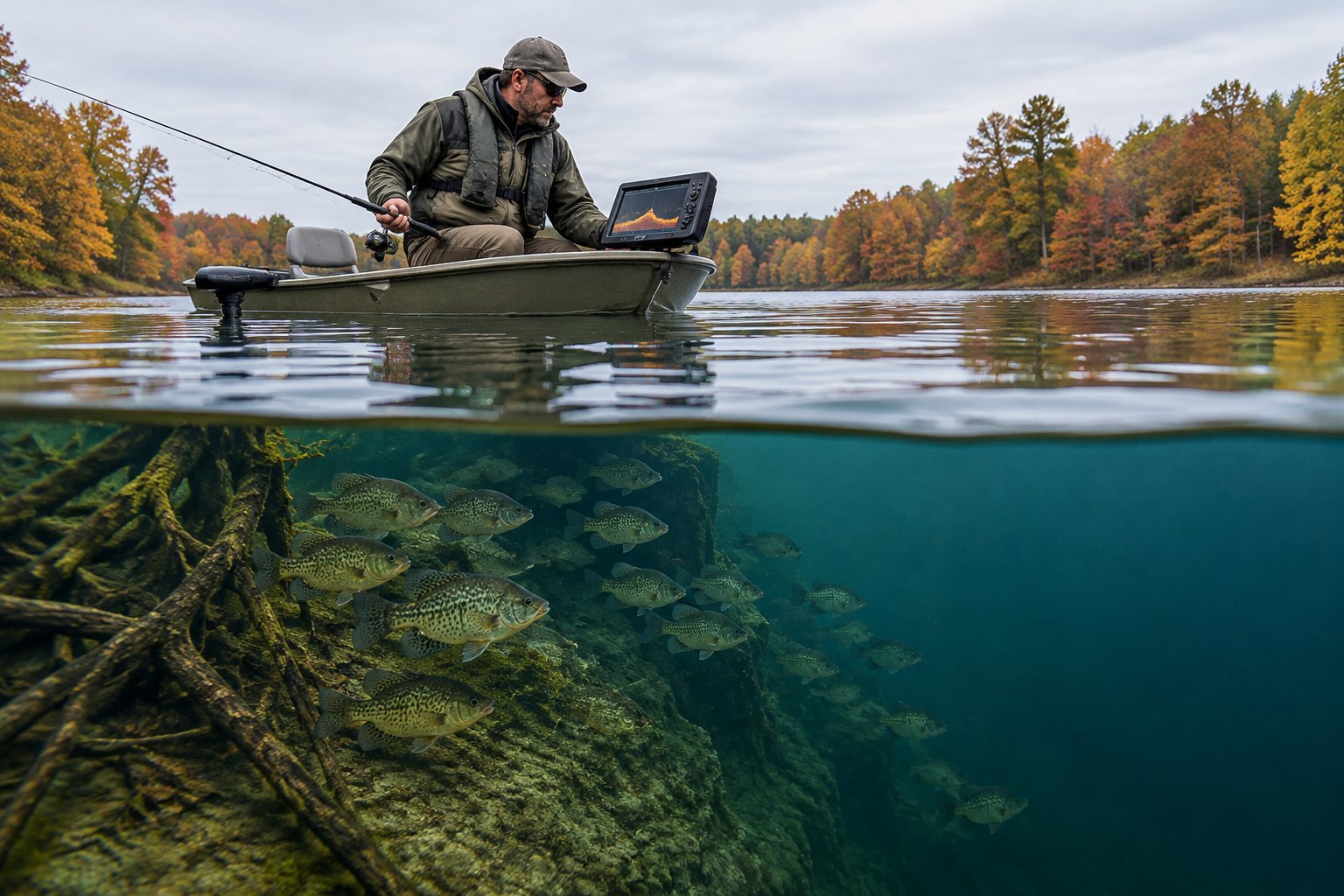
As water temperature drops, crappie move around the lake in search of baitfish and suitable cover. You might find them along creek channels, around points, or near shallow flats connected to deeper water. Their location depends on the lake and the conditions that day, so check a few nearby depths instead of committing to one spot.
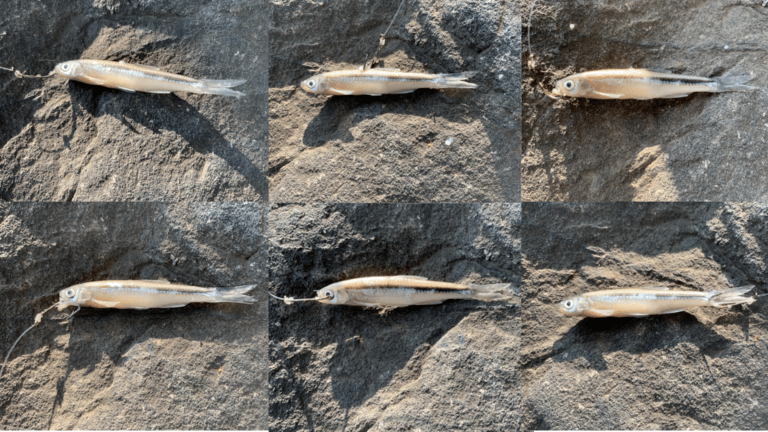
Shad and other bait fish are useful clues. Watch for surface activity, birds working over bait, or bait marks on your fish finder. When you find forage, fish the adjacent depth and nearby structure with a small jig or minnow.
Fall crappie behavior can include schools holding together, especially where bait gathers. If a spot looks promising but produces no bites after a few presentations, move along the channel or try cover nearby.
Do Black and White Crappie Follow the Same Patterns?
Black crappie and white crappie can use the same lake areas, but their habits may differ. Black crappie are often associated with schools that follow bait, while white crappie are commonly found close to cover such as brush or submerged trees.
Treat those patterns as starting clues, not rules. If you see baitfish in open water, try a small jig near the school; around a distinct piece of cover, fish close to the branches or edges. Local conditions can change where either species holds.
Which Fall Spots Are Worth Checking First?
Start where a creek channel, a drop-off, or a point gives crappie access to both deeper water and feeding areas. Check a few connected spots in sequence, then use visible cover and electronics to narrow the search.
Start with Creek Channels, Points, and Nearby Flats
Begin at a creek channel that leads from the main lake into a bay or cove. Follow its bends and check rocky points and shallow flats beside deeper water. These transitions give you several depths to test without traveling far.
If you are in a boat, work along the edge of the channel and pause near turns or nearby drop-offs. Keep an eye out for baitfish; crappie may be close to the forage, whether it is on the flat or suspended over deeper water.
Find Cover That Holds Crappie
Brush piles, submerged trees, standing timber, and weed beds offer places to check once you have narrowed down the area. Fish the edge first, then work closer to the cover with a jig or minnow. A slow, controlled presentation helps you keep the bait near branches without snagging on every cast.
Around weeds, target the outside edge or a clear opening. On a rocky point, try the transition where the bottom drops away. If you catch a fish, repeat the presentation at the same depth before moving.
Use Electronics to Check Depth and Locate Fish
A fish finder can show bottom contours, cover, bait, and suspended fish. Use it to check the depth around a channel bend or brush pile, then lower your bait to the level where you see activity.
Fish finders with side imaging can help you scan a wider area around the boat. Tools such as Garmin LiveScope provide a live view of fish and bait when available, but basic sonar is still useful for checking depth and structure. Keep your search simple: mark a promising spot, make a few presentations, and move if you see no signs of fish.
Where to Look When Fishing From the Bank
From shore, focus on accessible points, docks, riprap, and the edges of shallow flats near deeper water. Cast toward visible cover or a drop-off, then let a slip bobber hold your bait at a set depth.
If you do not know the depth, start with a short cast and adjust the bobber stop in small increments. Fish the shoreline methodically, giving each likely spot a few casts before walking to the next one. Follow local access rules and keep hooks clear of other anglers.
What Simple Rigs Work for a Short Fishing Trip?
A slip bobber and minnow offer an easy starting setup, while vertical jigging works well when you can position over visible cover. Choose one presentation first, then switch techniques only when the spot or fish location calls for it.
Try a Slip Bobber Rig with a Minnow
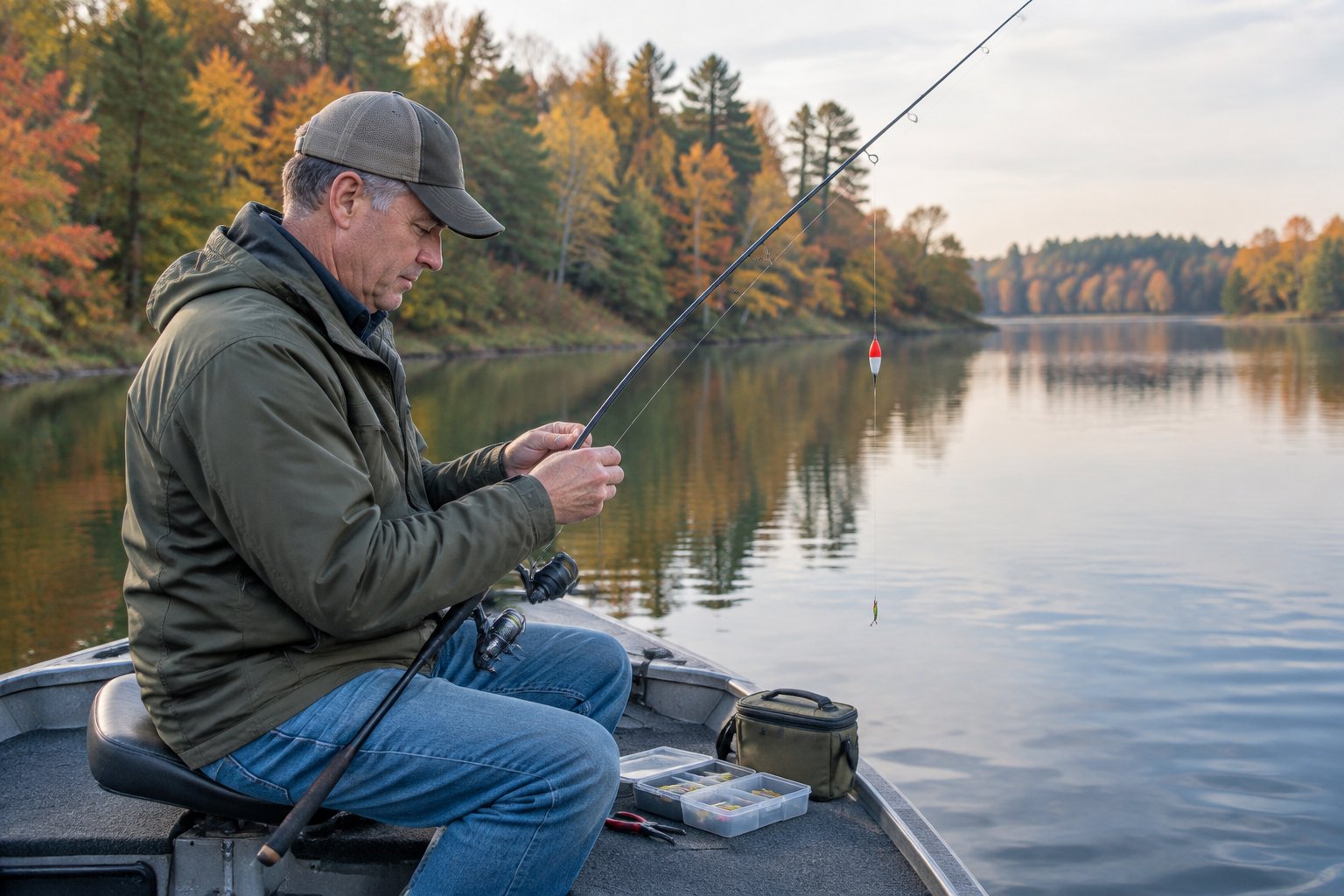
A slip bobber rig lets you set the bait at different depths while still casting comfortably. Thread the line through the slip float, add a stop knot or bead above it, and tie on a small hook. Adjust the stop so the minnow hangs near the depth where you see fish or bait.
Hook a live minnow securely and cast near channel edges, docks, or cover. Keep the float in view and give the bait time to settle. If the float stays untouched, change the depth before changing locations.
For an easy refresher on choosing bait, see this guide to minnows for crappie fishing.
Use Vertical Jigging Around Visible Cover
Vertical jigging keeps a small jig close to brush piles, submerged trees, and standing timber. Position the boat over or beside the cover, lower the jig to the fish’s depth, and work it with small lifts and pauses.
When you feel a tap or see the line twitch, lift smoothly to set the hook. Keep the jig clear of branches by raising it slowly and avoiding large, fast movements. This method is one of the easier crappie fishing techniques to use when fish are holding in a known spot.
When Is Spider Rigging Worth Trying?
Spider rigging is useful when you have a boat and want to cover a flat or channel edge with several rods set at different depths. It can help you discover where fish are holding, though managing multiple rods takes more attention and space.
For a quick outing or a first trip with kids, one rod per angler is easier to handle. Follow local rules for rod limits, and keep hooks organized to reduce tangles.
Shoot Docks When Crappie Hold in the Shade
Shooting docks uses a light jig cast low so it skips under the dock into shaded water. Crappie may hold near pilings or shaded edges, so let the jig sink before retrieving it slowly.
Practice in open space before casting near people or boats. Keep the rod tip low, use a light jig, and watch the line as the bait falls.
Which Baits and Lures Should Beginners Start With?
Start with a small jig that resembles local forage, or use a live minnow under a bobber when you want a straightforward presentation. A compact selection of fall crappie lures makes it easier to change size or style without slowing down your trip.
Choose a Small Jig That Resembles Local Forage
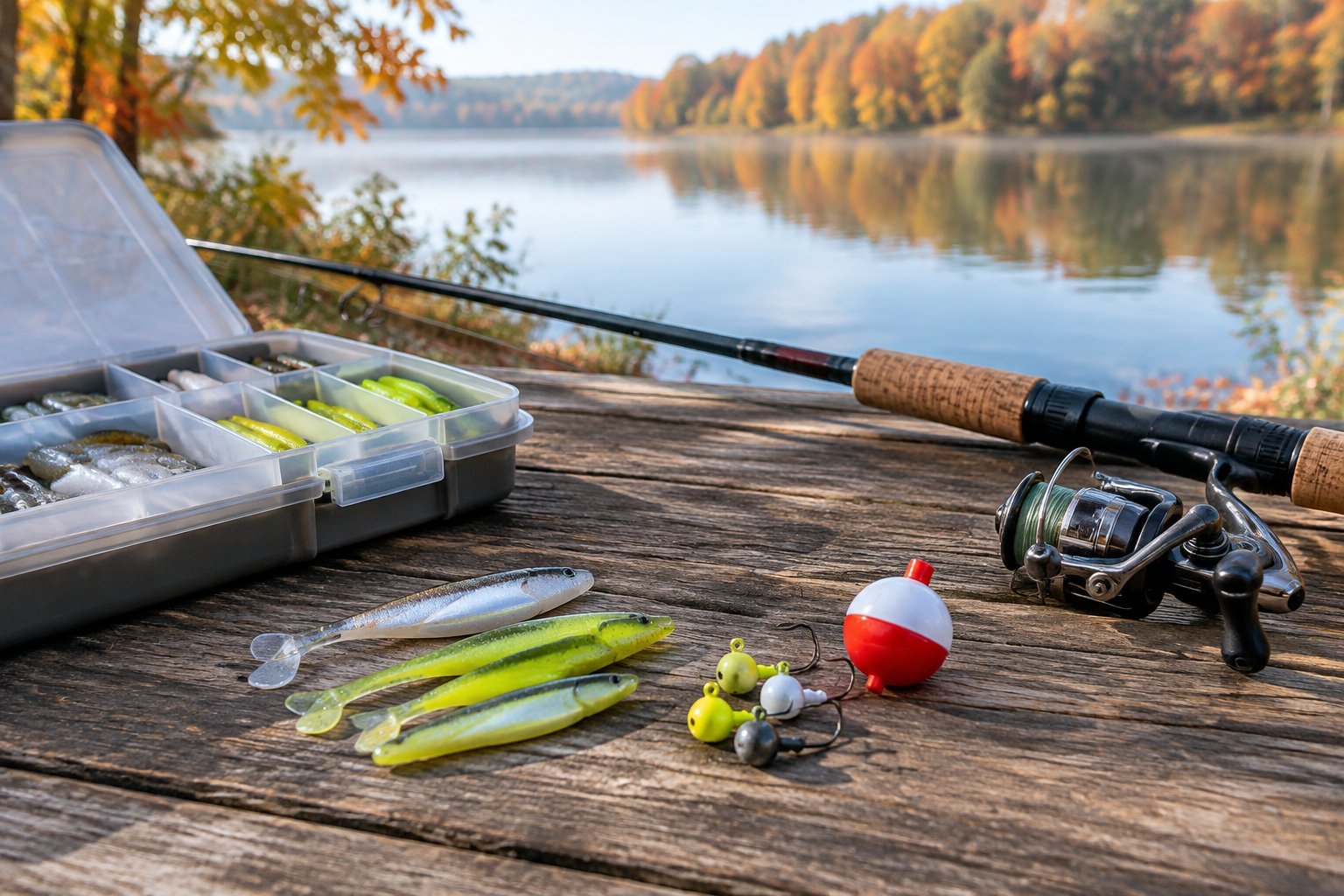
A small soft-plastic bait on a jig head is a practical first crappie bait. Shad-shaped plastics, including the Bobby Garland Baby Shad, provide a simple profile to cast or fish vertically. Choose a color that is easy to see in the water and adjust if fish ignore it.
Keep the bait near the depth where fish or baitfish appear. A steady retrieve works for active fish; a slow lift-and-pause presentation helps when you are fishing around cover. For more options, browse this guide to crappie lures.
When to Use Hair or Marabou Jigs
Hair jigs and marabou jigs have a soft, flowing profile that moves with subtle rod action. They work well when you want a compact presentation around cover or suspended fish. Let the jig fall on a controlled line and pause briefly before moving it again.
Micro jigs are another option when crappie respond to a smaller offering. Use a light presentation and keep track of your line as the jig sinks, since a bite can happen on the fall.
Try These Other Options as Conditions Change
If a soft plastic draws no response, try another profile or a blade bait suited to your water and presentation. A small change in size or action can help you learn what the fish will take.
Carry only a few choices: a shad-shaped soft plastic, a hair or marabou jig, and a small blade bait. These options cover several presentations without requiring a large tackle box.
How to Make the Most of a Short Session
A short crappie trip works best when you limit the search area, fish a repeatable presentation, and move on when a spot shows no signs of activity. A simple 30-minute plan gives you a clear first move and keeps the outing manageable with kids or new anglers.
Follow a Simple 30-Minute Search Plan
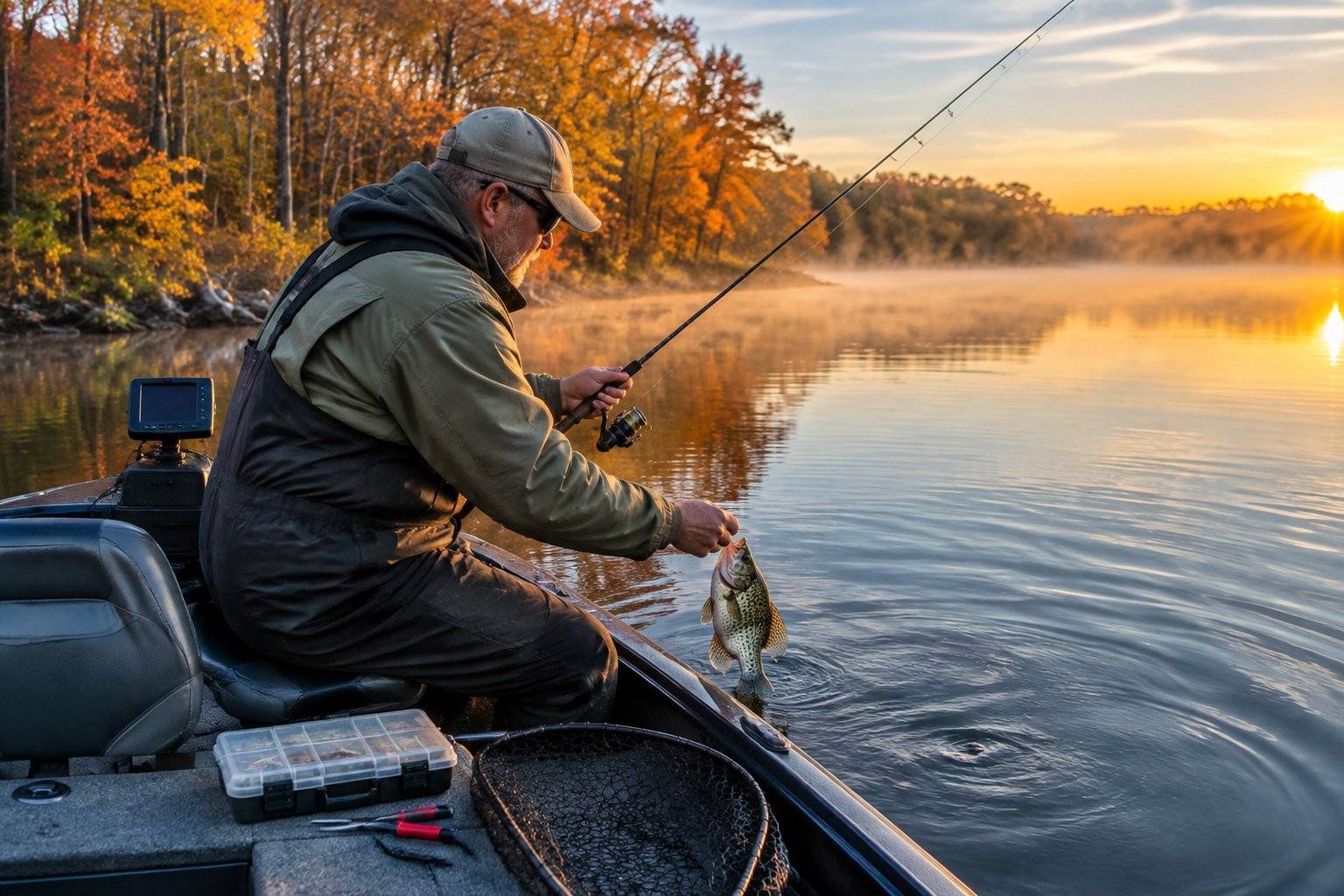
Use the first few minutes to check a creek channel, point, or drop-off for bait and cover. Spend about 10 minutes testing one promising spot with a jig or minnow at two or three depths.
If you find fish, stay in the area and repeat the depth and presentation that worked. If you see no bait or get no bites, move to nearby cover or the next channel bend. You can find more ideas for a compact outing in this guide to how to catch fish quickly in 30 minutes.
Keep the Trip Easy for Kids and New Anglers
Choose one simple rig per person, bring a small tackle selection, and keep spare hooks secured. A bobber gives a new angler an easy visual cue, and a minnow under a float needs only a short cast near cover.
Let kids take turns casting or watching the bobber, and pack snacks and warm layers for changing fall weather. A nearby bank spot or calm shoreline keeps the focus on fishing and makes it easier to wrap up when attention runs low.
Adjust Your Approach if the Bite Is Slow
Change one variable at a time. Move the bobber stop to test a different depth, slow the jig down, or try a smaller bait before leaving the area.
If a cold front or bright conditions affect activity, check shade and deeper nearby water. These crappie fishing tips help you make a useful adjustment without rebuilding your setup or spending the whole trip searching.
Get your gear ready and explore the related beginner-friendly guides before your next trip.
Frequently Asked Questions
Is fall a good time to crappie fish?
Yes, fall can be a productive time to catch crappie as cooling water shifts fish and bait into new areas. Check channel edges and nearby cover, then adjust your presentation to the depth where fish are holding.
Where do crappie go in the fall?
Crappie move through creek channels, around points, and near cover as they follow baitfish. Search connected depths, including shallow flats beside drop-offs, and use electronics or visible signs of bait to guide your next move.
What is the best bait for crappie in the fall?
A small shad-shaped jig or a live minnow under a slip bobber is a reliable starting choice. Match the bait size to local forage and adjust the depth if you do not get bites.
How do you fish for crappie in the fall?
Start near a channel edge or cover, then fish a jig slowly or suspend a minnow at a measured depth. If you find bait or catch a crappie, repeat the same depth and presentation before moving.
Where should you look for crappie in October?
In October, check creek channels, points, shallow flats, and nearby cover, then follow baitfish to refine your search. Regional weather and water temperature affect the pattern, so test more than one depth.