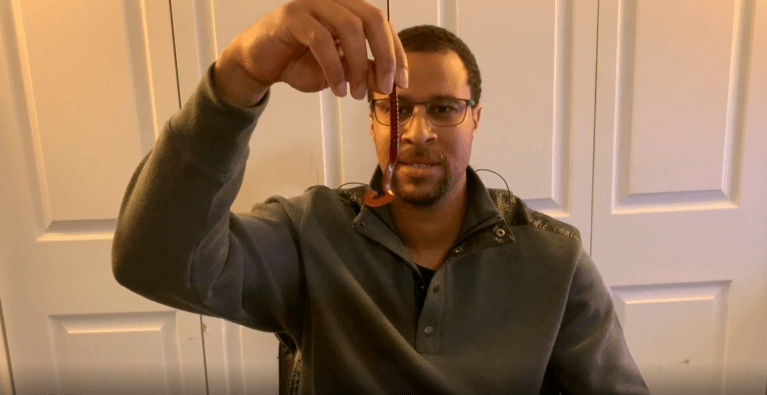
Catching bass during a lunch break can be both practical and rewarding. With a little planning and the right approach, thirty to forty minutes is plenty of time to land a few solid fish. The best way to catch bass during a lunch break is to target shaded or structure-rich areas using quick, proven presentations that adapt to mid-day conditions.
Many anglers waste valuable minutes choosing lures or driving to faraway spots. Choosing water close to work—such as ponds, bridge pillars, or small lakes—keeps the focus on fishing instead of travel. Simple rigs like a Texas rig, drop shot, or spinnerbait let anglers change tactics fast without re-tying multiple setups.
This method also works because bass behave differently during the day’s brightest hours. Knowing where they rest, how they respond to light, and what triggers a strike helps make every cast count. The right mix of time management, spot selection, and efficient tackle setup lets even a lunch-break outing deliver satisfying results.
Time Management for Lunch Break Bass Fishing
Efficient timing makes short fishing trips more productive. Focusing on when and where to cast, organizing equipment before leaving, and using nearby fishing spots can help anglers catch more bass in limited time.
Maximizing Your Fishing Window
A lunch break rarely offers more than 45 minutes to an hour, so timing matters. Bass often feed most actively during early afternoon shade lines, shallow cover, or points with moving water. Checking local forecasts helps identify ideal midday conditions, such as overcast skies or slight wind that stirs baitfish.
Short sessions benefit from simple strategies. Casting near structure, docks, or shaded banks offers quick results. Topwater poppers or soft plastic worms can trigger fast strikes from active fish. Anglers should avoid long shoreline walks and instead focus on high-probability zones that produce consistent bites.
Keeping a compact setup also matters. Using a single medium rod with a versatile bait reduces setup time. Marking a few reliable spots ahead of time means every cast counts rather than wasting minutes searching new areas.
Packing Efficiently for Quick Access
Compact packing saves valuable minutes. Every piece of gear should serve a purpose and be ready for immediate use. A small backpack or sling bag helps organize essential bass fishing gear without bulk.
Below is a simple example of a space-efficient setup:
| Item | Purpose |
|---|---|
| 1 medium spinning combo | Versatile for shallow or deep casts |
| 1 small tackle box | Holds a few productive lures |
| Needle-nose pliers | Quick hook removal |
| Polarized sunglasses | Finding shaded fish zones |
Keeping tackle organized in labeled boxes prevents searching mid-trip. Pre-rigging a soft plastic lure before leaving saves setup time. A small cooler with water and snacks ensures the angler can fish the full break without rushing back dehydrated.
Efficient packing increases actual fishing time, which directly improves the chance to catch bass even within short sessions.
Pre-Trip Planning and Scouting
Good fishing tips start before casting a line. Quick scouting after work or on weekends helps identify spots close to the office that hold bass regularly. Anglers should note shallow flats, weed lines, and submerged structures near parking or walking access points.
Digital maps, satellite images, and fishing apps can reveal nearby ponds or rivers within a short drive. Logging details like water clarity, shade cover, and known bass activity lets them predict which area is worth their limited time.
Flexibility adds further efficiency. When weather changes or other anglers crowd a favorite spot, having one or two backup locations ensures the trip remains productive. With basic preparation and smart planning, anglers use their short lunch window effectively to catch bass without stress or wasted effort.
Selecting Productive Urban and Suburban Fishing Spots

Anglers looking to catch bass during a lunch break can find strong opportunities in urban and suburban waters close to work. Lakes, ponds, and slow-moving rivers often hold healthy bass populations and allow quick, effective fishing without long travel times. Attention to access points, structure, and shade can make short outings more productive.
Identifying Accessible Water Bodies
Good bass fishing starts with reachable water. City and suburban areas often include public lakes, retention ponds, small rivers, and park reservoirs that support bass. Locations near trails, sidewalks, or parking areas help save time when every minute matters.
Bridges, culverts, and canals give bass the cover and current breaks they prefer. Concrete walls and docks create shade where fish can ambush prey. Shallow coves and storm drains can also attract fish, especially when they deliver cooler or oxygen-rich inflows.
Before fishing, anglers should check for “No Fishing” signs or restricted access zones. Local parks departments or city websites often list legal fishing areas. A quick drive or bike ride during off-hours helps confirm shoreline space and conditions.
Utilizing Digital Maps for Quick Spot Selection
Digital tools like Google Earth and mobile depth maps make identifying productive fishing spots faster. Overhead images reveal shoreline paths, submerged structure, and shaded areas that might hold bass. Apps such as Navionics or Fishbrain allow users to check contour lines, water depth, and past catch reports.
Digital scouting can be done in minutes. By marking two or three nearby access points, anglers can plan short sessions without guessing where to start. Contrast between shallow flats and deeper holes shows where fish may feed during different times of day.
Color-coded satellite imagery can also show vegetation growth and water clarity. Shaded sections under trees or near bridges signal reliable mid-day cover for bass. Keeping digital notes or map pins makes future trips more efficient.
Bank Fishing Advantages and Techniques
Bank fishing suits quick outings because it requires minimal setup. Lightweight gear fits into a small backpack, allowing easy movement along paved paths or grassy banks. Using a medium-light rod and a compact tackle kit helps anglers adjust quickly to different structures.
Casting along walls, culverts, or vegetation edges covers high-probability zones. Skipping soft plastics beneath overhangs or docks can reach less-pressured fish. Finesse rigs—such as wacky worms or Ned rigs—often trigger bites in clear, pressured city water.
Simple observation matters. Noting ripples, shade lines, or small baitfish movements leads to better casts. Frequent revisits to proven spots at slightly different times of day increase the odds of consistent success.
Essential Tackle and Quick-Change Lure Strategies
Anglers with limited time need simple gear that adapts quickly. Compact setups, reliable tackle, and efficient lure swaps help them stay fishing instead of retying lines or digging through gear. Good tackle management saves time and keeps each cast productive.
Choosing a Versatile Rod and Reel
A medium-heavy, fast-action rod paired with a 6.4:1 baitcasting reel offers a good balance of strength and control. This setup handles both spinnerbaits and Texas-rigged soft plastics without frequent gear changes. Those fishing smaller ponds may prefer a spinning combo for better casting accuracy.
Many anglers use braided line (30–40 lb) as their mainline. It provides sensitivity and quick hooksets, especially in weedy or timber-filled waters. A short fluorocarbon leader helps when the water is clear.
To adjust fast, anglers can keep a few pre-rigged rods in their vehicle or boat:
- Rod 1: Spinnerbait or spoon for active fish
- Rod 2: Soft plastic on a Texas or wacky rig
- Rod 3: Lightweight jig for bottom contact
This small selection covers the most common midday conditions without the need to stop and retie frequently.
Organizing a Compact Tackle Box
A small, well-organized tackle box reduces decision time. Dividing baits by type and color helps locate what’s needed at a glance. Clear, latching boxes or small trays fit easily into a backpack or car seat.
A simple layout might look like this:
| Category | Example Lures | Notes |
|---|---|---|
| Reaction | Spinnerbaits, spoons | Work best for active bass |
| Bottom | Jigs, Texas-rigged soft plastics | Target structure or cover |
| Finesse | Wacky rig, small worms | Use when fish are sluggish |
Carrying only a few bass fishing lures keeps weight down and decisions easy. Swapping clips or snaps allows quick lure changes without retying knots. Staying organized and mobile lets anglers use every minute of their lunch break efficiently.
Most Effective Lure Presentations for Short Sessions
Quick lunch break fishing calls for efficient lure choices and smart presentations. Midday bass often stay near cover or suspend in shade, so using lures that trigger reaction bites or subtle strikes helps make each cast count.
Top Bass Baits for Midday Action
During midday hours, bass tend to hold near shaded docks, submerged vegetation, or drop-offs where water stays cooler. Soft plastics, such as Texas-rigged worms or wacky rigs, reach these zones quietly and let anglers work them slowly through cover. A jig with a compact trailer is another reliable choice because it mimics crawfish feeding near the bottom.
Common midday lure setups:
| Lure Type | Best Use | Ideal Conditions |
|---|---|---|
| Jig | Bottom contact, slow hops | Clear to stained water |
| Texas-rig worm | Vertical cover | Moderate structure |
| Wacky rig | Open water or docks | Calm or pressured areas |
Adding slight twitches or pauses gives these baits realistic action. With soft plastics or jigs, bass often strike during the fall or pause, making careful line watching important.
Power Fishing with Moving Baits
When time is short, reaction lures help cover more water quickly. Spinnerbaits, spoons, and topwater frogs can draw active fish to strike without long waits. A steady retrieve with a spinnerbait mimics baitfish, while the flash of a spoon triggers visual bites around deeper structures.
In shallow or shaded areas, topwater baits like frogs or poppers work well around vegetation or laydowns. Their splash and vibration signal easy prey to bass holding nearby. Changing retrieve pace—fast in open water, slower near cover—keeps the lure natural-looking.
These moving baits let anglers target multiple strike zones in just a few minutes, making them efficient for limited breaks.
Finesse Approaches for Pressured Waters
If fish seem wary, finesse presentations stand out. Light spinning tackle with small soft plastics or finesse jigs often outperforms bulky setups when bass face heavy fishing pressure.
Wacky-rigged worms, downsized Texas rigs, or small swimbaits work best when allowed to sink naturally with gentle rod movements. Subtle actions—like slight shakes or slow lifts—keep presentations realistic without spooking fish.
Clear or calm waterways benefit from this quieter approach. In low wind and bright light, lighter lines and natural lure colors help blend into the environment, giving anglers better odds at coaxing smart bass within a short session.
Understanding Bass Behavior During Midday Breaks
Bass often slow their movements when sunlight and heat peak, using shaded or deeper water to rest and feed lightly. Their positioning and activity levels change with temperature, light penetration, and seasonal conditions, which influence lure choice and presentation.
Where Bass Hide at Noon
During midday, largemouth bass usually retreat to cooler, protected spots. Bright light and rising water temperatures push them away from shallow flats toward areas that offer shade or structure, such as docks, submerged logs, rock piles, or vegetation beds. These locations create temperature relief and attract smaller baitfish, giving bass both comfort and opportunity.
In clearer water, they move deeper—often 10–20 feet—or hug objects that break up sunlight. In murkier lakes, bass may stay slightly shallower, using cover to ambush prey. Anglers who focus on these hidden zones improve their success.
A simple checklist for midday spots includes:
- Overhanging trees or willow branches
- Grass mats and lily pads
- Bridge pilings and dock shadows
- Drop-offs near shallow spawning areas
Soft plastics, jigs, or slower baits that mimic wounded prey perform well here because bass tend to conserve energy while waiting to strike efficiently.
Adapting to Seasonal Patterns
Seasonal changes shape how bass behave during midday breaks. In summer bass fishing, warm water and intense sunlight cause bass to retreat to deeper ledges, river channels, or thermocline zones where oxygen and temperature levels remain stable. Fast-moving lures are less effective during these hot hours. Slow presentations near structure often yield better results.
In fall bass fishing, cooling temperatures and active baitfish bring bass closer to shorelines and creeks even at midday. They chase schools more aggressively, making reaction baits and shallow crankbaits productive.
During winter bass fishing, they slow dramatically and stay near deep holes or rocky points that retain warmth. Subtle jigging and vertical presentations work best. When pre-spawn bass begin to move shallow in early spring, they grow more active again, using midday warmth to prepare nests and feed heavily in nearby cover.
Advanced Tips to Boost Your Success Rate
Quick, precise adjustments and quiet approaches often separate average results from strong midday catches. Anglers who fine‑tune their movements and read environmental changes can make the most of every short session, even when bass act cautious or conditions shift quickly.
Stealth and Efficiency Near Pressured Fish
Bass near docks, park banks, or other popular spots face frequent disturbance. These fish react to noise, vibration, and shadow more than those in remote areas. Anglers gain an edge by adopting low‑impact habits.
- Keep footsteps light and avoid splashing near the bank.
- Use smaller baits and natural colors that match local forage.
- Make short, accurate casts rather than constant re‑casts that warn fish.
A soft‑entry cast—lowering the lure just past the strike zone—keeps surface ripples to a minimum. Switching to fluorocarbon line reduces visibility underwater without changing lure action. Boats and kayaks should idle at low speed and cut engines early.
Many experienced anglers rely on a short checklist:
| Focus Area | Simple Adjustment |
|---|---|
| Noise | Silence tackle box lids and pliers |
| Movement | Slow rod motions near cover |
| Pressure | Rotate lure types often |
Even during lunch breaks, efficiency comes from planning. They prepare two rigs ahead of time—one finesse setup and one search bait—to switch fast when fish spook or patterns change.
Adjusting to Weather and Water Conditions
Midday fishing brings rapid light and temperature changes. Bass may suspend, move deeper, or rest in shaded water. Smart anglers adjust lure choice and retrieve to these cues.
When skies brighten, switching to drop‑shot rigs or small jigs helps reach fish holding lower in the water column. Windy or cloudy conditions often spark activity near shallow cover; spinnerbaits or moving baits can take advantage of that.
Water clarity also matters. In clear water, toned‑down colors and slow presentations feel more natural. In murky water, brighter hues or rattling baits help fish locate targets.
Temperature swings shift behavior fast. If a cold front cools surface layers, anglers slow their retrieve and focus on deeper breaks. When water warms mid‑day, a subtle topwater lure or light swimbait can draw strikes from active feeders close to vegetation.
These adaptable bass fishing tips let anglers respond to moment‑by‑moment changes instead of waiting for ideal conditions.