A Goldhead Hare’s Ear nymph is the best starting point for grayling fishing flies because its buggy profile, weighted bead, and simple presentation suit beginners fishing deeper runs on short trips. You can tie it to a standard trout setup and begin searching likely water without carrying a large fly box.
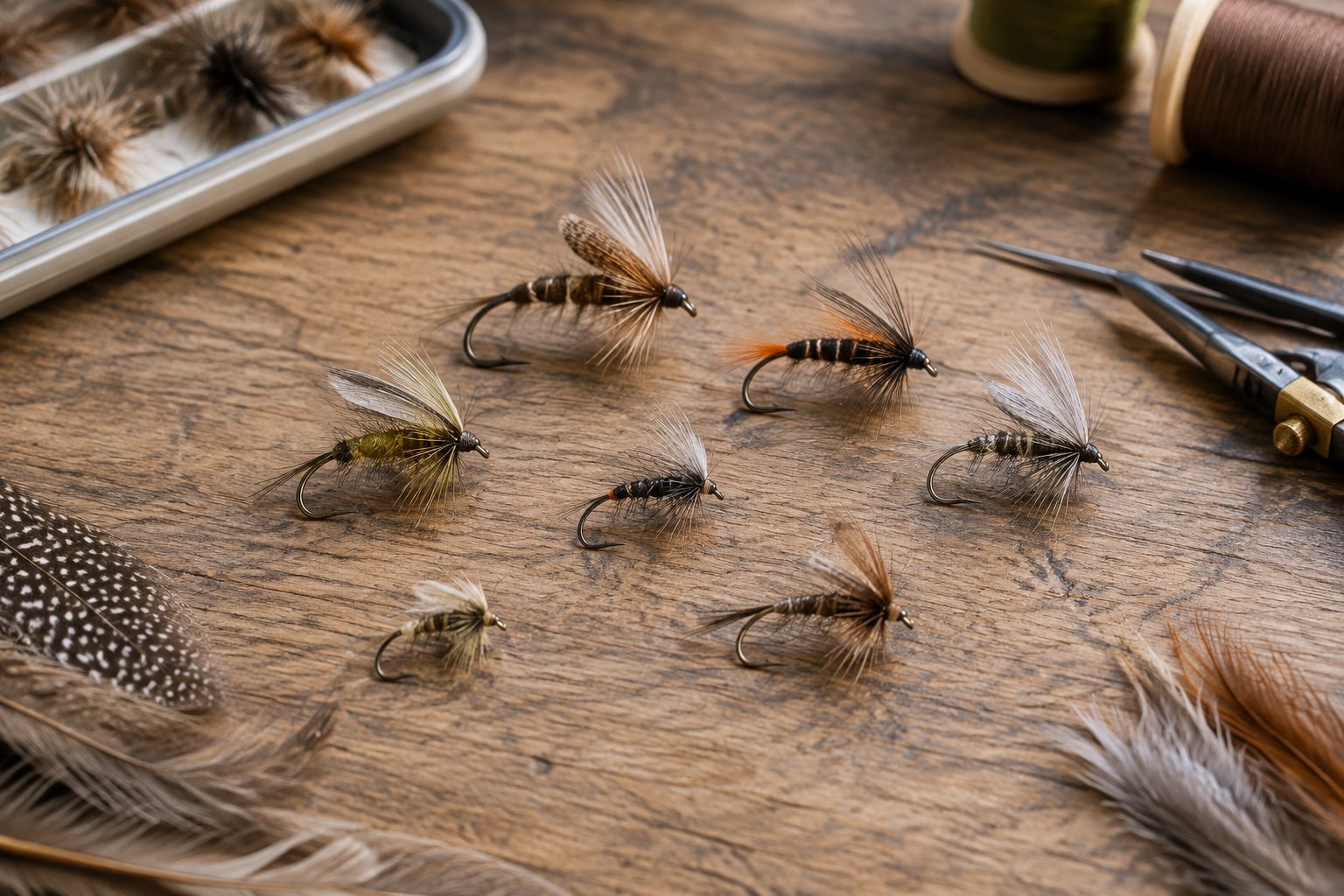
Grayling feed on drifting aquatic insects, so a Hare’s Ear gives you a dependable first pattern when you are still learning depth, drift, and strike detection. Keep a few sizes ready, then add a pheasant tail nymph and a small dry fly when conditions or surface activity call for a change.
Goldhead Hare’s Ear Nymph
The Goldhead Hare’s Ear is a practical first pattern because it sinks quickly and imitates several common nymph shapes without demanding a precise hatch match. The bead helps you reach grayling holding near the bottom, while the rough hare’s-ear fibers create movement during the drift.
Choose a fly box with a small range of sizes, such as sizes 12 through 16, and carry both natural brown and darker versions. Grayling frequently hold in current seams, gravel runs, and the softer water beside faster flow.
Use a short leader and enough tippet to present the fly naturally. Check the point regularly because grayling fishing often places your fly near rocks, weed, and shallow gravel.
How to Fish This Starter Pattern on a Short Trip
Fish the Goldhead Hare’s Ear close to the streambed with a controlled dead drift, then adjust depth before changing patterns.
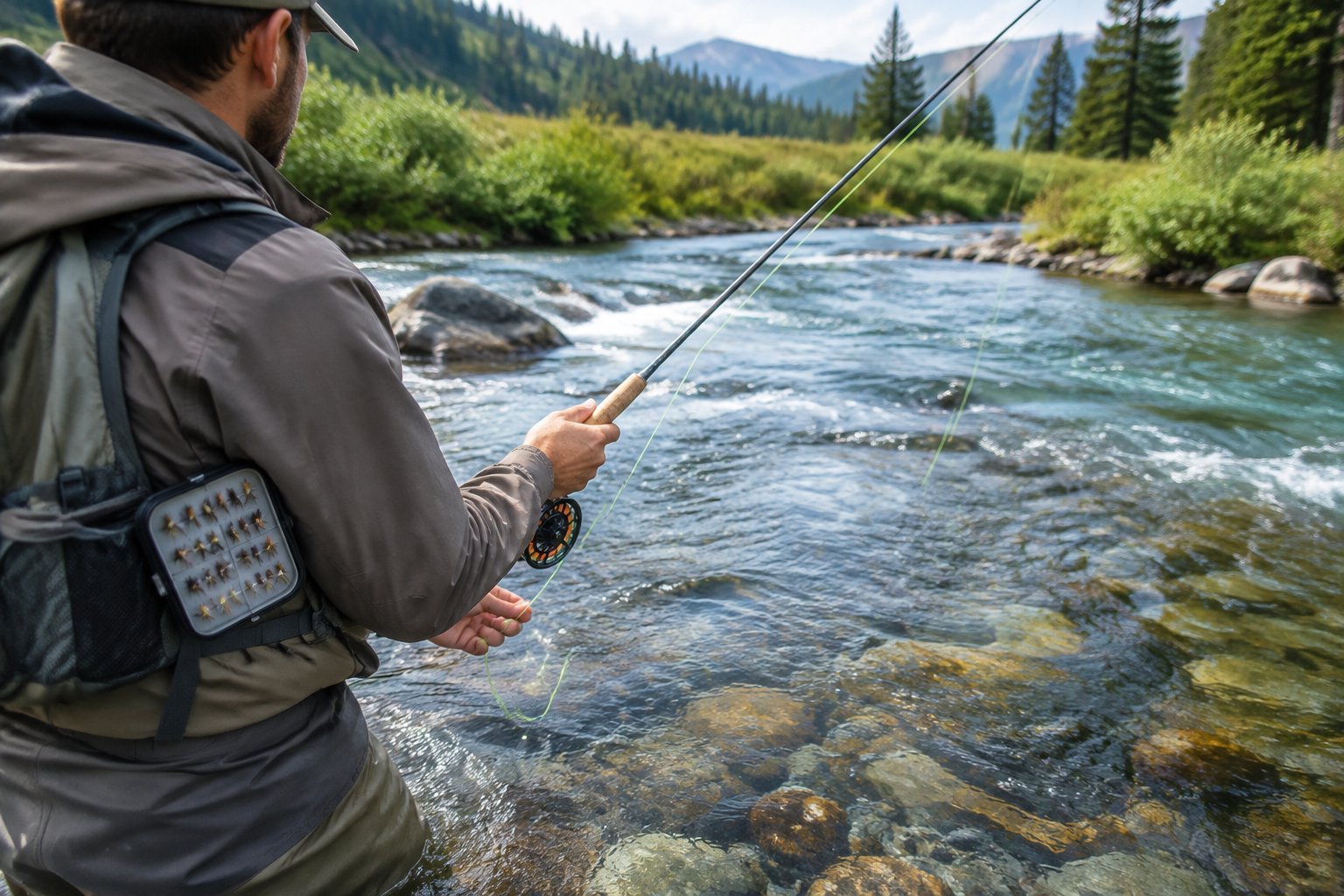
When Should You Fish a Goldhead Hare’s Ear?
Use it when grayling are feeding below the surface, especially during colder weather, higher flows, or periods without visible rises. A nymph also helps when you arrive for a short after-work session and need a productive search pattern immediately.
Cast slightly upstream and let the fly sink as it enters the current. Follow the leader with your rod tip, watch for a pause or twitch, and lift smoothly when the line behaves differently.
If you see repeated surface rises, switch to a small dry fly. You can review additional options for surface feeding in this guide to dry fly fishing flies.
Why Does This Nymph Work for Grayling?
The Hare’s Ear suggests mayfly nymphs, caddis forms, and other natural food through its mixed texture and compact body. Grayling respond to the fly’s profile and drift, so you gain a useful pattern without needing to identify every insect.
The gold bead adds weight and a visible flash point. It also gives you a clear starting point when the river is deeper than the fishable surface suggests.
A pheasant tail offers a slimmer alternative when the water is clear and grayling show selective feeding. You can compare that approach through pheasant tail nymph fly fishing.
What Is the Simplest Beginner Setup?
Use a light trout fly rod, a floating fly line, a tapered leader, and 4X or 5X tippet for a straightforward grayling setup. Add a small indicator only when it helps you track the drift and local rules permit it.
Keep the leader manageable for the water you fish. A shorter setup is easier for a child or new angler to control, especially from the bank.
Pinch the barb if required by local regulations, and wet the knot before tightening it. Carry forceps, nippers, and a landing net to handle fish with less stress.
A Quick Grayling Plan for Beginners and Kids
Start with one accessible run, fish it methodically, and make one change at a time when grayling do not respond.
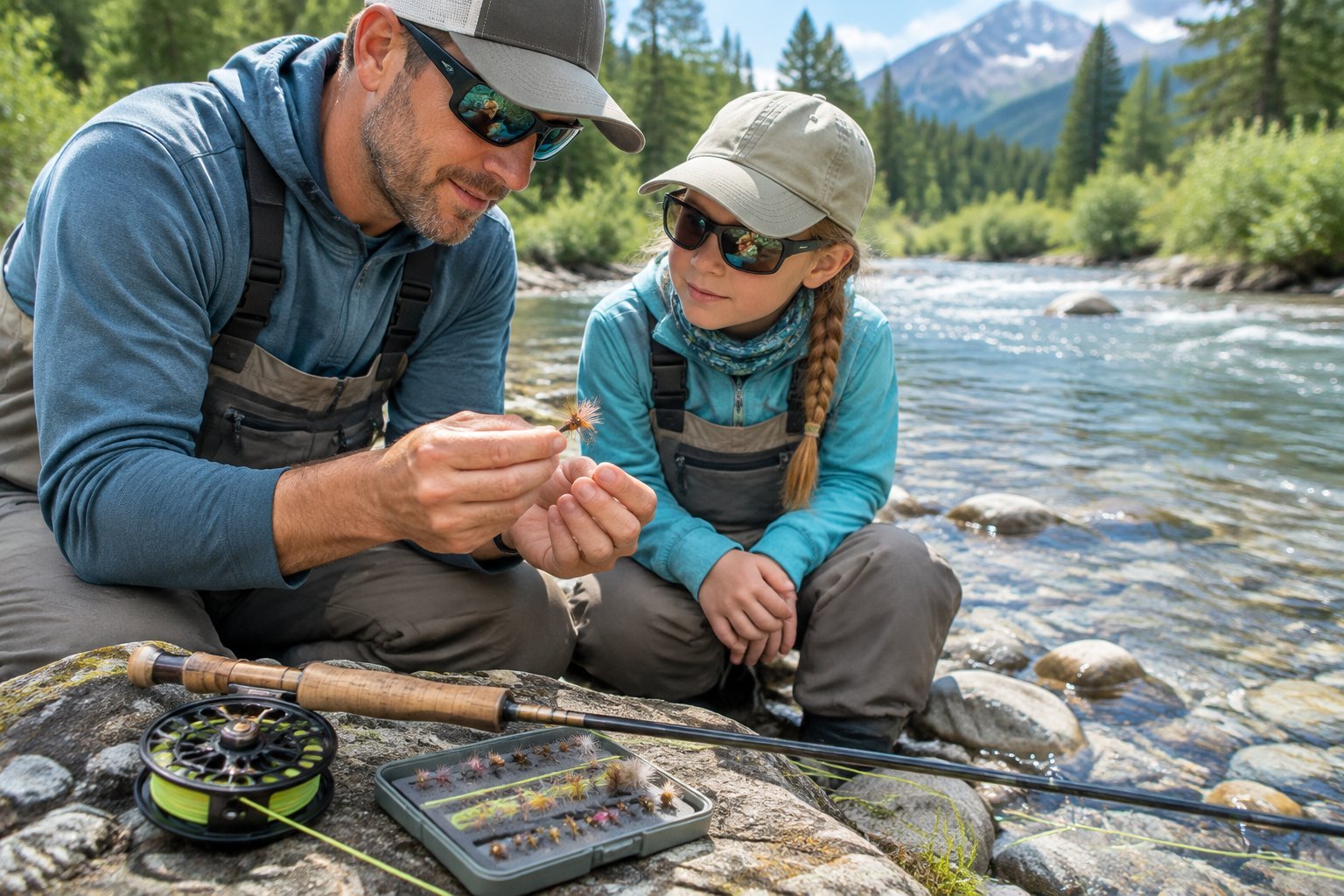
Where Should You Start Looking for Grayling?
Begin at the edge of moderate current where faster water meets a slower seam. Grayling also use deeper pockets, the tail of a pool, and gravelly runs that provide food delivery with a manageable flow.
For a child, choose a stable bank with room for a back cast and keep the first goal small: one accurate drift through one likely lane. Wading requires extra caution because slippery rocks and changing depth create real hazards.
Work upstream in short sections and rest between casts. This approach keeps a brief fishing trip organized while giving each drift a clear purpose.
How Can You Avoid Wasting Time Changing Flies?
Give the Goldhead Hare’s Ear several controlled drifts through two or three depths before changing it. Alter the weight, leader length, or position in the current first so you learn whether presentation is the problem.
Carry a small rotation:
- Goldhead Hare’s Ear for searching near the bottom
- Pheasant tail for a slender mayfly-style profile
- Small dry fly for visible surface feeding
- Midge pattern for tiny insects and selective fish
Use the same knot and tippet strength while comparing patterns. Changing multiple pieces of the setup at once makes each result harder to interpret.
What Should You Do When You Get No Takes?
First check whether the fly reaches the feeding depth and whether drag is pulling it unnaturally. Move a few feet, shorten or lengthen the leader, and slow the drift before replacing the pattern.
If the water remains quiet, watch for rises, insects, or fish movement. A fly change makes sense when surface activity points toward a different food source.
Keep the session positive for younger anglers by alternating casting practice with observation. A short, focused outing fits well with the practical approach in fishing with kids.
Frequently Asked Questions
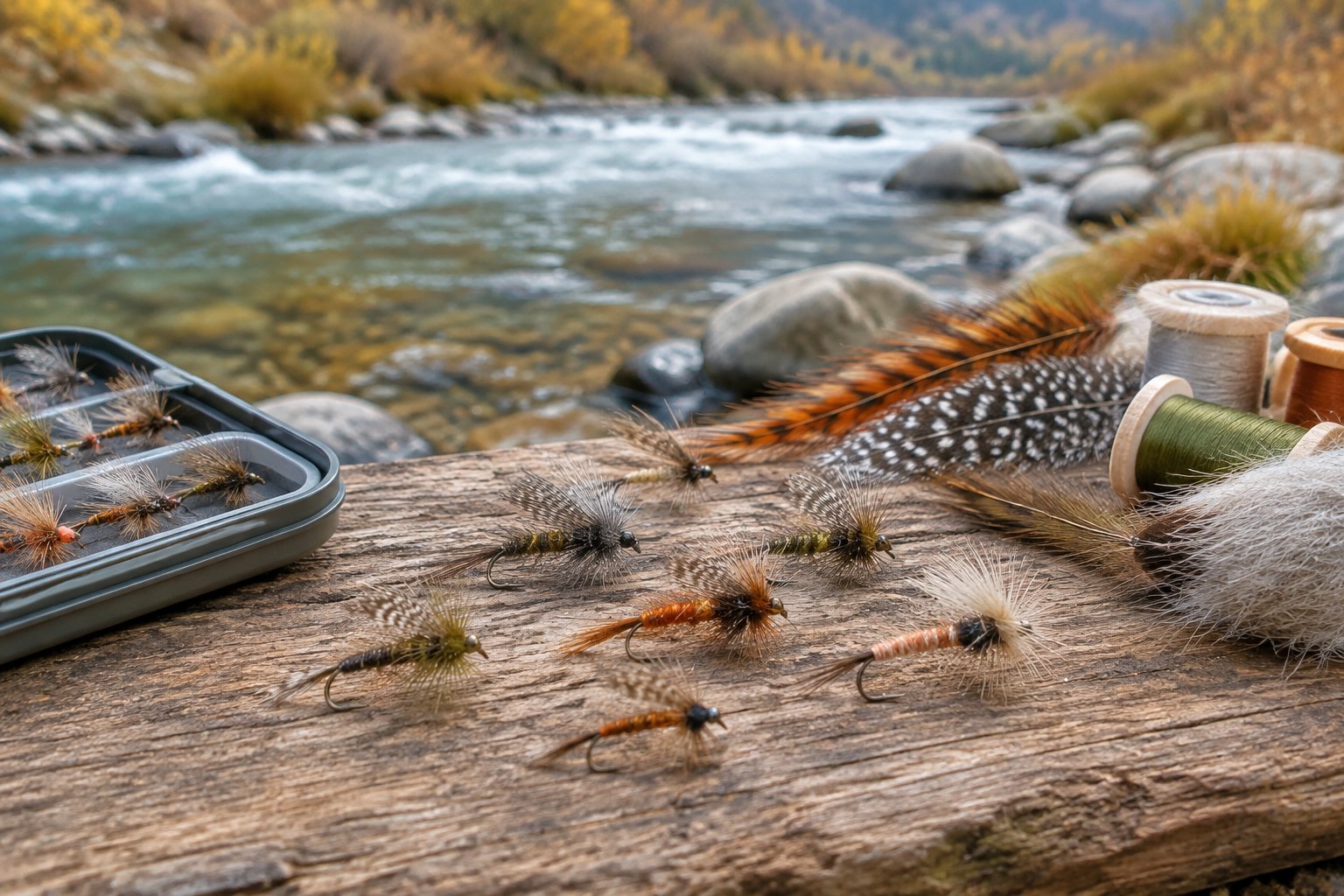
What flies are best for grayling beginners?
A Goldhead Hare’s Ear nymph is the best first choice for beginners because it covers common underwater insect shapes and reaches feeding fish quickly. Add a pheasant tail, a small dry fly, and a midge pattern as your confidence grows.
Is a Hare’s Ear nymph a good fly for Arctic grayling?
A Hare’s Ear nymph is a useful pattern for Arctic grayling when fish are feeding below the surface. Match its size to the available insects and adjust weight or leader length so the fly reaches the fish.
When should I use a nymph instead of a dry fly for grayling?
Use a nymph when grayling are holding deep, the current is moving quickly, or you see no surface rises. Choose a dry fly when fish are visibly taking insects from the surface and your presentation can reach the feeding lane.
What size Hare’s Ear should I use for grayling?
Start with sizes 12 through 16 and adjust to the river’s insect life and water clarity. A smaller size suits clear water or tiny insects, while a larger beadhead helps you search deeper runs.
Can a child learn to fish for grayling with a nymph?
A child can learn with a nymph when you simplify the setup, choose safe bank access, and supervise every cast and landing. Use a short fishing session, focus on one drift lane, and handle grayling with wet hands before a quick release.