A spook fishing lure is a floating topwater lure that slides side to side when worked with short rod twitches. That walking action imitates a struggling baitfish and gives bass, striped bass, redfish, and other predatory fish a clear surface target.
The easiest way to fish it is to cast near open water beside cover, leave a little slack in the line, and combine gentle twitches with a steady reel rhythm. A calm morning, low-light evening, or short after-work session can provide excellent conditions. Anglers can start with a Heddon Super Spook, learn the retrieve in open water, and adjust speed from the fish’s response.
What Is a Spook-Style Walking Bait?
A spook-style walking bait is a hard-bodied topwater lure designed to glide from side to side across the surface. The Heddon Super Spook is a well-known example, while the term spook lure also describes similar cigar-shaped surface baits from other brands.
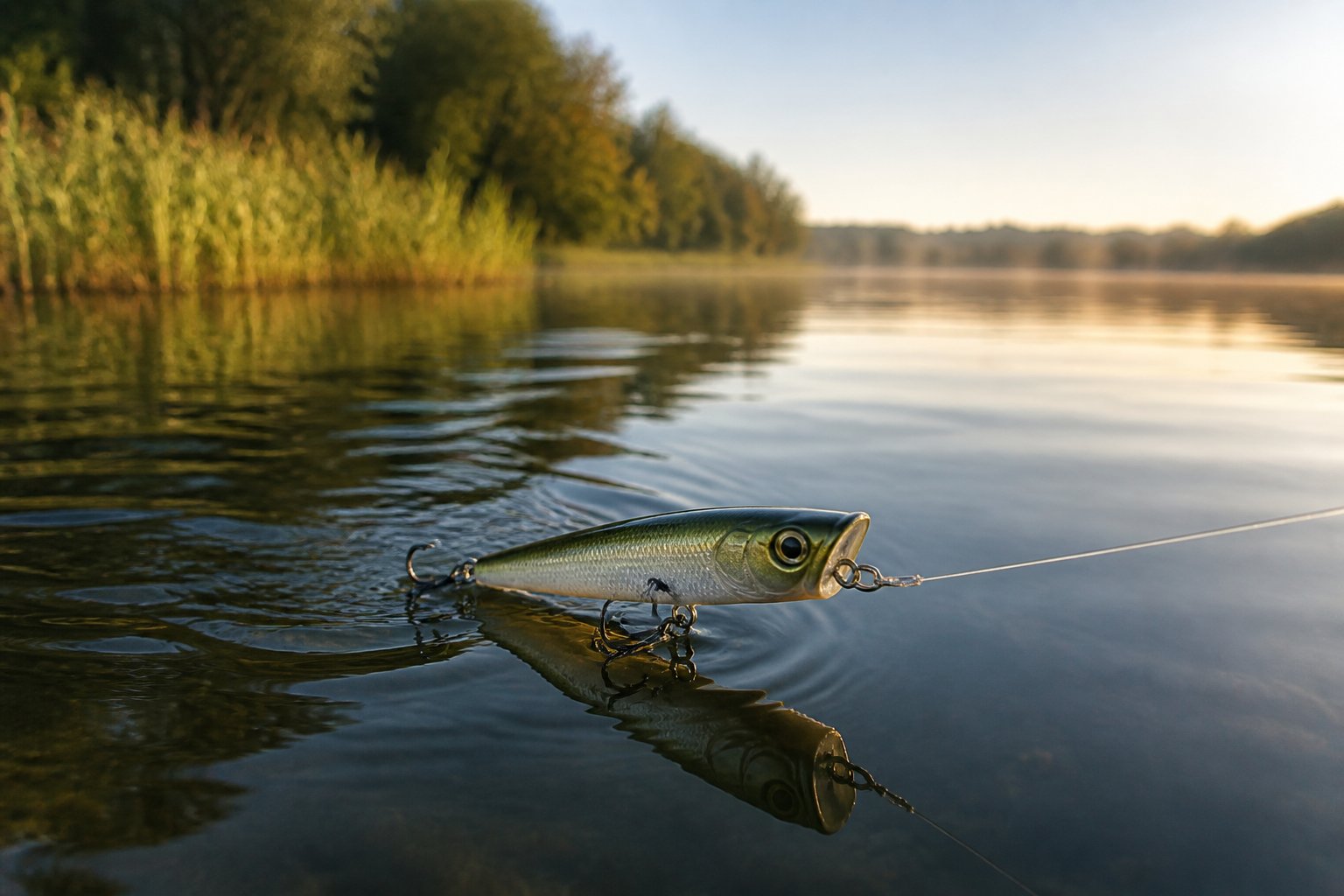
Most models contain internal weight that improves casting distance and helps the lure sit level. Two or three treble hooks hang beneath the body, attached with split rings that allow the hooks to move freely when a fish strikes.
Why the Side-to-Side Action Draws Strikes
The walking action spreads surface disturbance across a broad path. A baitfish that changes direction with each twitch looks vulnerable, while the flash and clicking sound help fish locate the lure in shallow or slightly stained water.
The lure works best when the rod tip stays low and the line retains a small amount of slack. Each short downward twitch pushes the nose sideways, and the next twitch sends it back across the surface.
Where Treble Hooks Limit Its Use
Treble hooks make a spook lure effective around open edges, points, flats, and sparse cover. Thick grass, submerged branches, and dense lily pads catch the hooks and disrupt the retrieve.
Anglers should choose open lanes near cover when possible. If vegetation dominates the area, a weedless lure is a more practical choice because its hook placement handles snags better.
How Do You Walk the Dog With a Spook?
Walking the dog requires short rod twitches, controlled slack line, and a reel rhythm that keeps the lure gliding instead of pulling straight toward the angler.
The Simple Cast
Cast beyond the target and let the lure settle for a few seconds. Begin with the rod tip pointed down at roughly the four o’clock position, then keep the line connected without pulling the bait forward continuously.
A long cast gives the lure more working distance and keeps the angler away from fish holding near the bank or cover.
Twitch, Reel Rhythm
Twitch the rod tip downward six to twelve inches, then reel just enough line to recover slack. Repeat the motion at a steady pace. The rod moves the lure, while the reel gathers the line.
The lure should zigzag across the surface. If it tracks straight, the angler is reeling too quickly or removing too much slack before the next twitch.
How Much Slack Line Should You Leave?
A small belly in the line helps the lure turn. Too much slack causes missed hooksets and makes it difficult to feel the lure, while a tight line pulls the bait forward.
The right amount allows the line to briefly fall loose after each twitch. With practice, the angler can watch the line and see when the lure has completed its slide.
Retrieve Speeds That Match Fish Activity
Use a slow cadence when water temperatures are cool or fish are following without striking. Increase the pace when baitfish are active, fish are schooling, or surface activity shows aggressive feeding.
A pause of two to five seconds after several twitches can trigger a fish that tracked the lure. During a short trip, changing cadence is faster than switching lures repeatedly.
When and Where Should You Throw It?
Throw a topwater lure when predatory fish are willing to feed near the surface, especially around low light, wind-blown water, and open edges beside cover.
Best Weather, Water, and Light Conditions
Early morning, late evening, and overcast periods reduce the visibility advantage fish have over the lure. A light breeze adds surface texture and can make a spook lure appear less exposed.
Clear to lightly stained water works well because fish can track the walking action. Moderate chop can still produce strikes, though heavy waves make it harder to see the lure and maintain the cadence.
High-Percentage Targets for a Short Fishing Trip
For a quick outing, start with places that combine depth access and nearby feeding opportunities:
- Points extending into a creek or cove
- Wind-blown banks
- Flats beside a drop-off
- Open pockets near docks or grass edges
- Baitfish activity on the surface
The Heddon Super Spook covers water efficiently because each cast can search a wide area. Three or four casts from different angles can reveal whether fish are using a target before the angler moves.
Why Open Water Near Cover Beats Thick Vegetation
Open water gives the lure room to walk and gives fish a clean path to strike. Cover still attracts baitfish and predators, but the bait should travel along the outside edge or through a clear pocket.
Aim parallel to the edge when possible. This keeps the lure in the strike zone longer and reduces the number of casts wasted in heavy vegetation.
Choose and Rig the Right Spook for Your Trip
Choose the lure size that matches available baitfish and pair it with a medium-power setup, buoyant line, and a knot that preserves free movement.
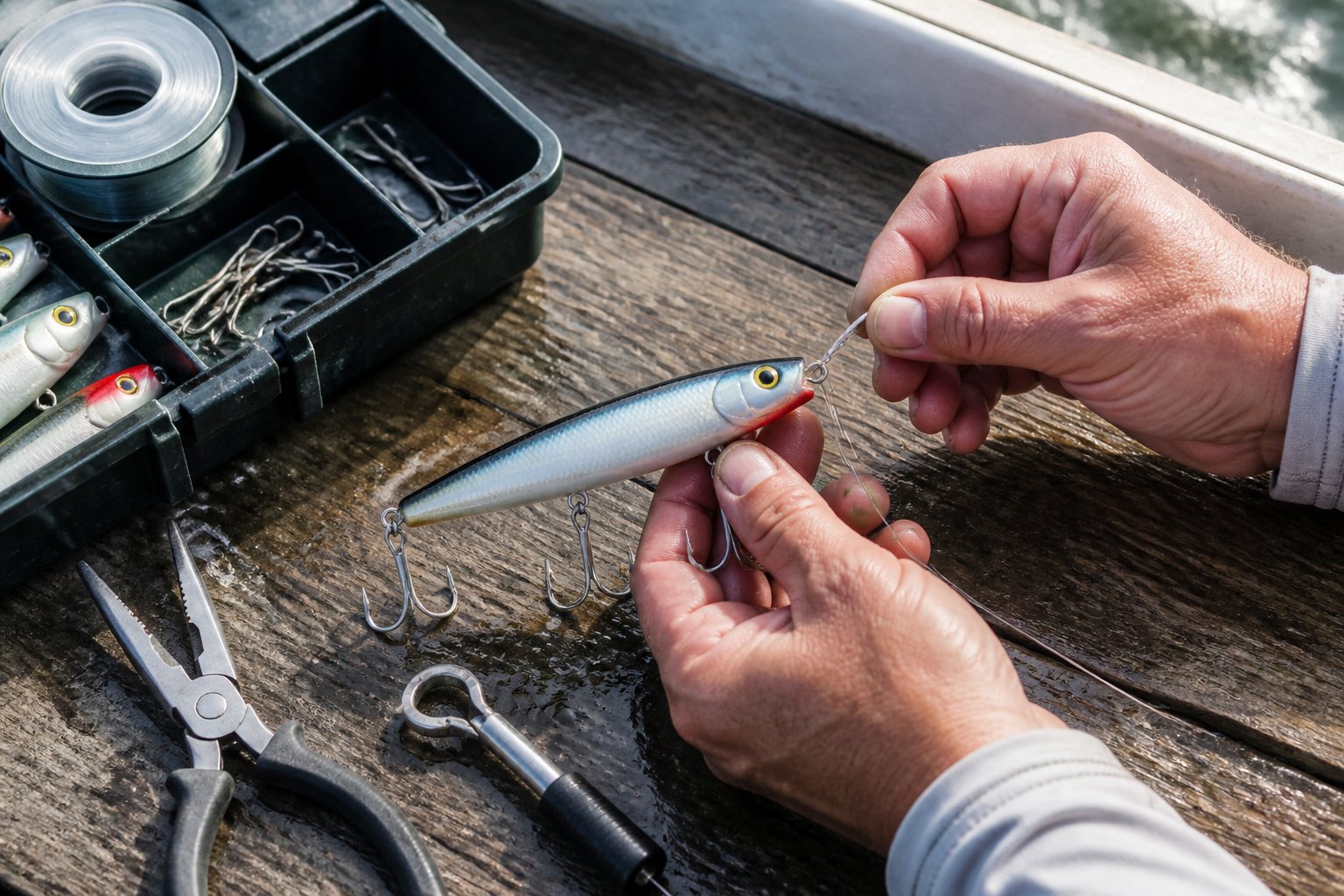
Heddon Zara Spook vs. Super Spook vs. Spook Jr.
The Heddon Zara Spook is the original full-size option, while the Heddon Super Spook adds a widely used size and weight for longer casts. The Spook Jr. presents a smaller profile for smaller baitfish, pressured fish, or lighter tackle.
| Feature | Heddon Zara Spook | Heddon Super Spook | Spook Jr. |
|---|---|---|---|
| Profile | Full-size | Full-size, weighted | Compact |
| Casting use | General | Long casts | Light presentations |
| Best fit | Larger water | Wind and distance | Small baitfish |
| Beginner use | Good | Excellent | Good with lighter gear |
For a beginner or a family fishing trip, the Super Spook is a practical starting point because its weight helps with casting and its size remains easy to see.
Quick Setup Checklist for Rod, Reel, Line, and Knot
- Rod: Medium or medium-heavy power with a moderate-fast action
- Reel: Baitcaster or 2500 to 4000-size spinning reel
- Line: 20- to 30-pound braid with a short fluorocarbon leader, or suitable monofilament for added buoyancy
- Knot: Improved clinch, Palomar, or loop knot tied carefully
- Connection: Small snap or split ring that leaves the nose free to move
- Safety: Hook covers or a secure lure holder during transport
A loop knot gives the spook lure extra freedom at the nose. Monofilament floats well and keeps the lure high, while braid improves casting distance and sensitivity.
How Weight, Hooks, and Rings Affect Action
The internal weight controls casting distance, balance, and the way the lure rests on the surface. Heavier models cast farther in wind, while smaller models create a subtler profile.
Treble hooks influence balance and hookup performance. Replacing them with heavier hooks can make the lure sit lower or lose its walking action, so changes should be made one component at a time. Split rings also affect movement, and a corroded or bent ring should be replaced before fishing.
Avoid the Beginner Mistakes That Ruin the Retrieve
The most common problems come from pulling the lure too hard, using an unsuitable cadence, striking early, or handling treble hooks carelessly.
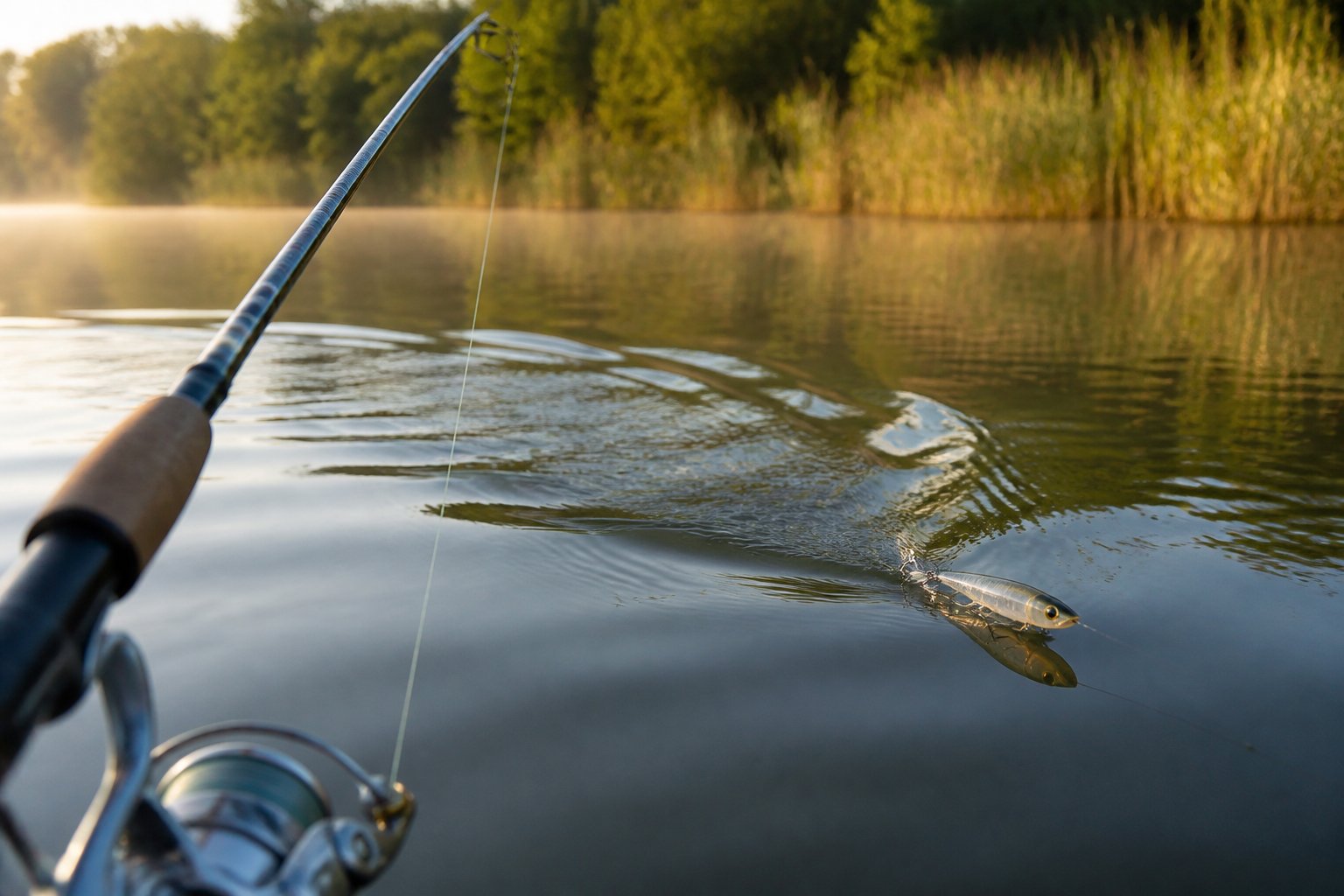
Pulling Too Hard and Removing All the Slack
Strong rod pulls make the lure surge forward and eliminate the slack needed for side-to-side movement. Short downward taps produce a wider walk with less effort.
When the lure runs straight, stop reeling for a moment and allow the line to relax. Resume with softer twitches and a slower line-recovery pace.
Fishing It Too Fast or Too Slowly
A fast retrieve suits active fish and moving bait, while a slower cadence helps fish inspect the lure. The mistake is holding one speed after fish show a different response.
If fish swirl behind the bait, add a pause. If the lure sits untouched across several casts, increase the cadence or move to a more active area.
Setting the Hook Before the Fish Has the Bait
Wait until the fish pulls the rod down or the lure disappears before setting the hook. A premature strike pulls treble hooks away from a fish that has only slapped or followed the bait.
Use a firm sweep to the side and keep steady pressure. A smooth hookset protects the angler from sudden surges and reduces loose-line moments.
Skipping Basic Treble-Hook Safety
Treble hooks require controlled handling on the boat, bank, and in the tackle box. Keep the lure secured when walking, remove hooks with pliers, and avoid holding the lure body near exposed points.
A pair of long-nose pliers and hook covers belong in every topwater kit. Damaged or dull hooks should be replaced before the next trip.
A Simple Topwater Plan for Your Next Short Trip
A productive short-trip plan uses one reliable spook fishing lure, a small set of proven targets, and a retrieve that changes only when fish provide a reason.
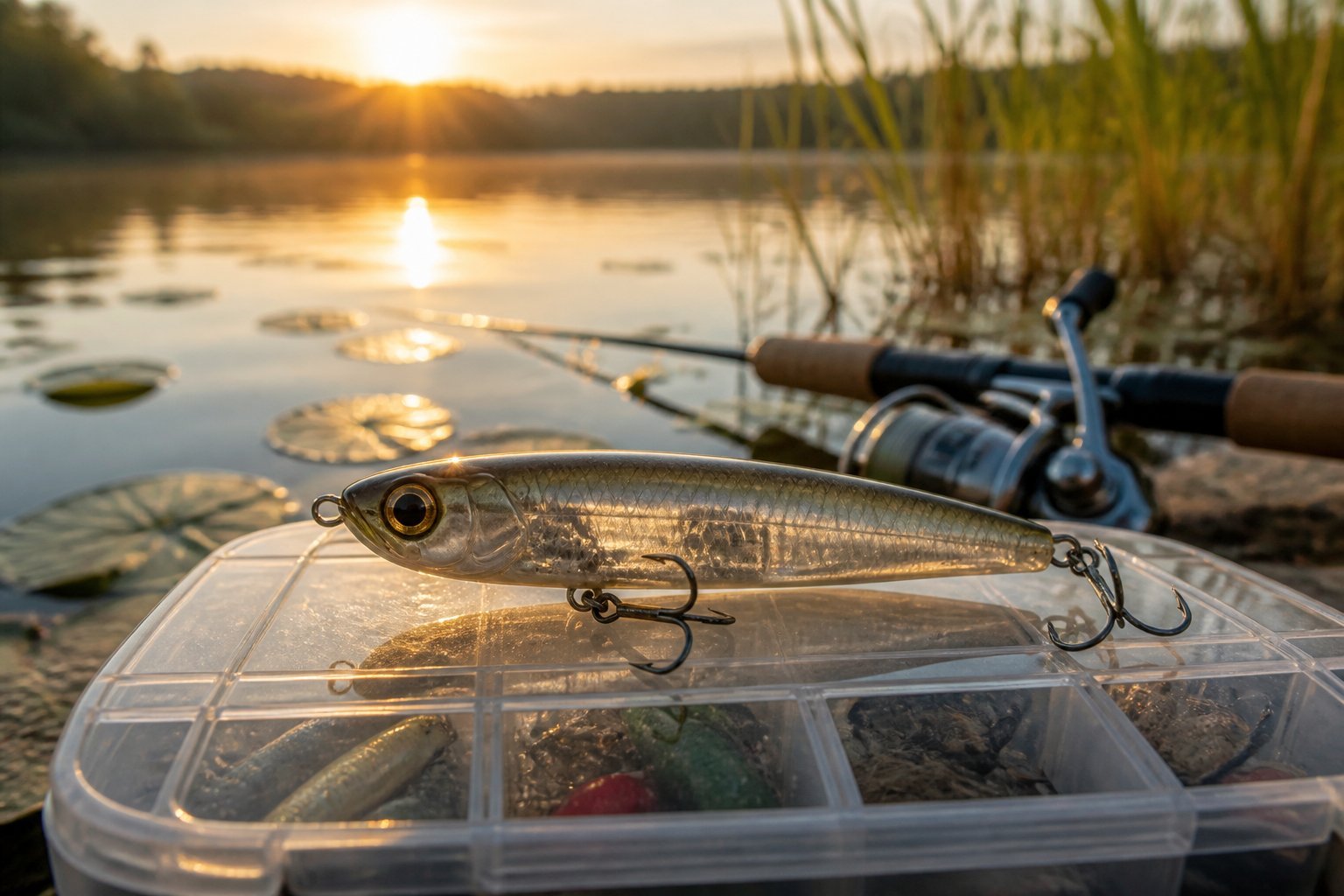
- Choose one starting lure. Use a Heddon Super Spook in open water, or select a smaller profile when baitfish are small.
- Begin at the first high-percentage target. Cast along a point, wind-blown bank, dock edge, or flat beside deeper water.
- Work each cast fully. Walk the lure with short twitches and a steady reel rhythm.
- Change one variable at a time. Add a pause, slow the cadence, or speed it up before changing locations.
- Move after a focused test. Give a productive-looking area several casts from different angles, then continue if no fish respond.
- Secure the lure between spots. Treble hooks should remain covered or attached to a designated holder.
For fishing with kids, the Super Spook is easy to see on calm water, though an adult should manage casting distance and hook handling. A short session can still be useful when each cast follows the same repeatable process.
Frequently Asked Questions
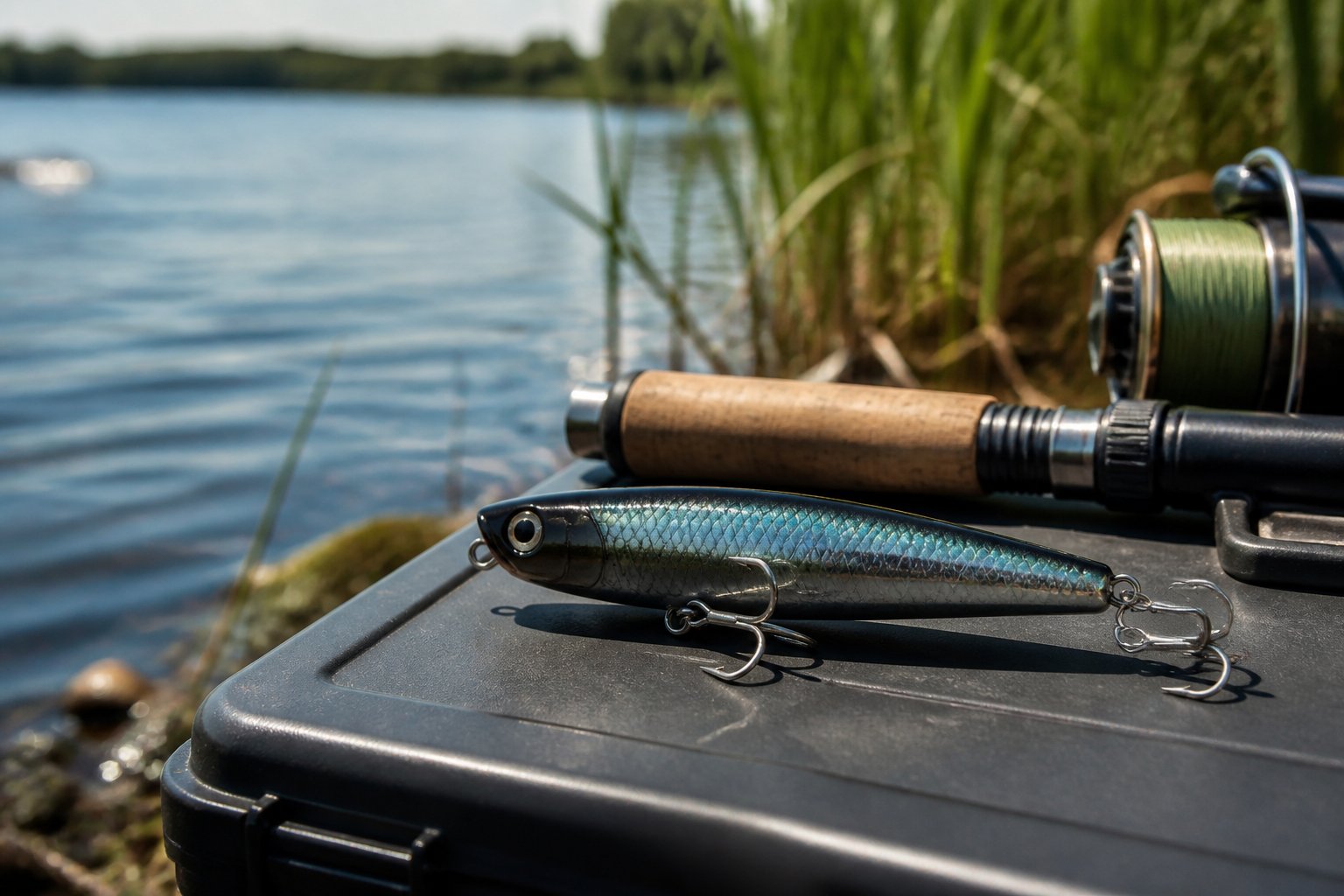
What is a Spook lure used for?
A Spook lure is used to catch predatory fish feeding near the surface. Bass, striped bass, redfish, speckled trout, and similar species may strike its side-to-side walking action.
How do you walk the dog with a Spook lure?
Point the rod tip down, leave a small amount of slack, twitch the rod tip, and reel only enough line to recover slack. Repeating that rhythm makes the lure glide from side to side.
What line should I use with a Zara Spook?
Monofilament or braid with a short leader works well, depending on the setup. Monofilament floats and supports surface action, while braid improves casting and sensitivity; a loop knot preserves the lure’s movement.
Is a Heddon Super Spook good for beginners?
A Heddon Super Spook is a strong beginner choice because it casts well, stays visible, and responds to a basic twitch-and-reel retrieve. New anglers should practice in open water until the walking rhythm becomes consistent.
Can you fish a Spook lure in saltwater?
A Spook lure works in saltwater when the size and color match local baitfish and the hardware suits the target species. Rinse the lure with fresh water after every trip and inspect treble hooks, rings, and connections for corrosion.
Why do fish miss a Spook lure?
Fish miss when they slap at the lure, when the angler sets the hook too early, or when hooks are dull or poorly balanced. Waiting for pressure, keeping the line connected, and maintaining sharp treble hooks improves hookups.