Fishing in Massachusetts rivers offers a mix of calm scenery and steady action for those who enjoy time on the water. From the cool, trout-filled runs of the Deerfield and Swift Rivers to the bass-rich stretches of the Connecticut and Charles, each river brings unique conditions and species to target. To fish successfully in Massachusetts rivers, anglers must match their approach to the river’s flow, season, and local species.

They can start by learning the basics—selecting the right gear, understanding water movement, and following state fishing regulations that protect local fish populations. With simple preparation and awareness of access points, anyone can find productive stretches that fit their skill level and style.
Each section of this guide explores practical steps for getting started, choosing the right rivers, and using proven techniques to improve results. Whether planning a weekend trip or refining year-round habits, anglers will find clear, useful direction for making the most of every Massachusetts river.
Getting Started with River Fishing in Massachusetts
Anglers in Massachusetts can enjoy a range of freshwater fishing opportunities across rivers like the Deerfield, Ware, and Nashua. Success depends on knowing the basics of gear setup, following state fishing laws, and identifying common fish species found in local waters.
Understanding Freshwater Fishing Basics
Freshwater river fishing in Massachusetts usually involves spinning or baitcasting rods, monofilament line, and live or artificial bait. Beginners often start by learning how to cast, tie knots, and handle fish safely. The MassWildlife Angler Education Program offers free classes and videos that teach these skills step by step.
Rivers vary in current and depth, so anglers should adjust their techniques. In slower sections, a bobber and worm setup works well for sunfish or perch. In faster water, small spinners or jigs attract trout or bass. Wearing waders helps reach deeper spots safely.
Checking local maps from the Division of Fisheries and Wildlife helps anglers locate public access points. Many rivers have designated fishing areas with parking and maintained trails. Always bring a small tackle box, pliers, and a net for easy fish handling.
Fishing License Requirements and Where to Buy Them
Anyone age 15 or older must have a Massachusetts freshwater fishing license. Licenses are issued by the Division of Fisheries and Wildlife (MassWildlife) and can be purchased online at Mass.gov or from approved vendors like sporting goods stores.
There are several license types:
| License Type | Age Group | Duration | Notes |
|---|---|---|---|
| Resident Annual | 15–64 | 1 year | Lower fee for residents |
| Non-Resident Annual | 15+ | 1 year | Higher fee |
| Senior (65+) | 65+ | Lifetime | Free but must register |
Anglers should carry their license while fishing and present it if requested by an officer. Free fishing weekends are offered once a year, allowing residents and visitors to fish without a license for a limited time. Regulations also require checking daily catch limits and size restrictions before keeping fish.
Key River Species to Target
Massachusetts rivers support a variety of freshwater fish. Common species include trout, smallmouth bass, largemouth bass, perch, and sunfish. Cold, clear rivers like the Deerfield and Millers often hold stocked rainbow and brown trout, especially in spring and fall.
Warmer rivers such as the Connecticut or Merrimack are better for bass and panfish. These species prefer slower currents, rocky edges, or submerged logs. Anglers can use small crankbaits, worms, or jigs to attract strikes.
For those interested in seasonal fishing, MassWildlife publishes trout stocking reports and updates on river conditions. Checking these resources helps anglers plan trips when fish activity is highest. Using local knowledge and state resources increases the chances of a rewarding fishing experience.
Best Massachusetts Rivers for Fishing
Massachusetts offers diverse freshwater fishing opportunities with rivers that support trout, bass, and panfish. Anglers can find both stocked and wild fish in scenic western waters or enjoy accessible fishing near urban areas with good public access.
Top-Rated Trout Rivers
The Deerfield River stands out for its long, cold-water stretches that hold brown, brook, and rainbow trout. It flows about 76 miles through western Massachusetts and features both stocked and wild fish. Public access points and kayak launches make it easy for anglers to reach prime runs.
The Swift River, below Quabbin Reservoir, provides clear water and steady trout action. It’s a favorite for fly fishers using nymphs and midges. Catch-and-release rules in some sections help maintain quality fishing year-round.
The Housatonic River, especially near the Lee Catch-and-Release Area, supports steady trout populations. Fly fishing with streamers and nymphs works well, while spin anglers often use small spoons. Cold flows keep trout active even during warmer months.
| River | Key Species | Access Type | Best Method |
|---|---|---|---|
| Deerfield | Brown, Brook, Rainbow Trout | Public & Boat | Fly or Spin |
| Swift | Brook, Rainbow Trout | Shore | Fly Fishing |
| Housatonic | Brown, Brook, Rainbow Trout | Wading/Shore | Fly or Spin |
Popular Bass Fishing Spots
The Connecticut River offers strong smallmouth and largemouth bass fishing across its slower stretches. Public boat launches and shore spots make it accessible for both beginners and experienced anglers. Early mornings and evenings often bring the best topwater action.
The Charles River provides convenient urban bass fishing near Boston. Largemouth bass, perch, and pickerel thrive in warmer months. Kayaks and small boats can easily navigate its calm sections, and public access is available in many towns.
The Quabbin Reservoir area, connected to the Swift River system, also supports smallmouth bass. Anglers often use soft plastics and crankbaits near rocky points and submerged structures. Seasonal regulations apply, so checking local rules before fishing is important.
Family-Friendly River Locations
Families looking for easy access and relaxed fishing often visit the Millers River. It offers gentle stretches for wading and a mix of trout and panfish. Local bridges and parks provide safe, convenient entry points.
The Westfield River in the Berkshires features scenic banks and clear pools ideal for both trout and beginners. Short trails lead to fishing spots where children can fish from shore.
The Charles River again fits well for family outings due to its accessible paths, picnic areas, and steady warm-water species like bluegill and perch. Shorelines near public parks allow safe casting without boats or waders.
Recommended Gear for Families:
- Light spinning rods (5–6 ft)
- Barbless hooks for safety
- Simple baits such as worms or corn
Essential Gear and Tackle for River Anglers
Anglers fishing Massachusetts rivers need reliable gear that matches local fish and water conditions. Choosing the right rods, reels, bait, and safety equipment helps improve success and comfort on the water.
Recommended Rods and Reels
Rivers in Massachusetts often have moderate currents and mixed species like trout, bass, and perch. A medium-light to medium-power spinning rod between 6½ and 7 feet offers good control and casting distance.
Pair the rod with a spinning reel in the 2000–3000 size range. This setup handles both light lures and stronger fish. For trout or smaller species, an ultralight rod with 4–6 lb test line provides better sensitivity.
Anglers targeting largemouth or smallmouth bass benefit from KastKing Perigee II or Goture Ultralight rods, known for balance and versatility. Smooth drag systems and corrosion-resistant parts are important, especially when fishing in variable conditions.
Keep spare spools with different line types—fluorocarbon for clear water and braided line for heavy cover or deeper runs.
Best Bait and Lures for Local Species
Massachusetts rivers support diverse fish populations, so bait choice depends on the target species. Live bait such as worms or minnows works well for trout and perch, especially in spring and fall.
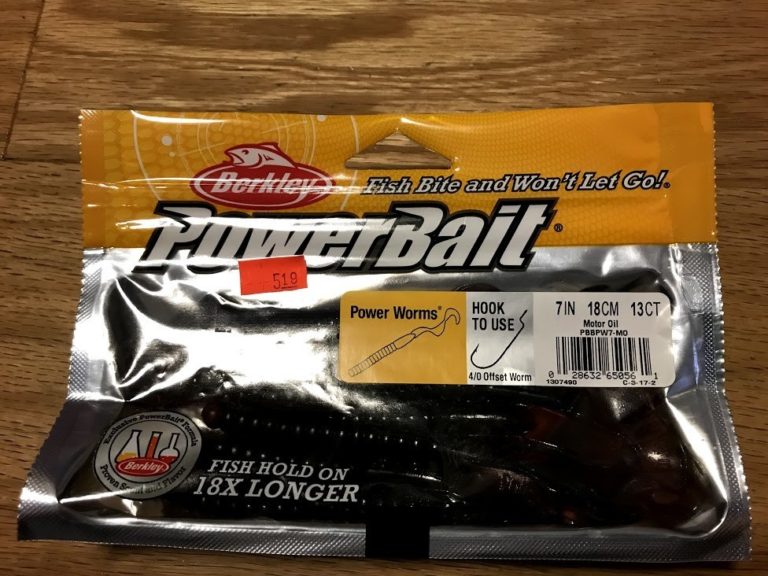
For artificial options, small spinners, soft plastics, and streamers imitate natural prey effectively. Trout respond to nymph patterns and small spoons, while bass prefer topwater lures, crankbaits, or jigs in warmer months.
A simple reference for lure selection:
| Target Fish | Recommended Lure Type | Best Season |
|---|---|---|
| Trout | Spinners, nymphs, worms | Spring, Fall |
| Largemouth Bass | Jigs, soft plastics | Summer |
| Smallmouth Bass | Crankbaits, topwater plugs | Late Spring–Fall |
Carrying a compact tackle box with assorted hooks, sinkers, and swivels allows quick adjustments to changing conditions.
Wading and Safety Equipment
River fishing often requires wading, so safety gear is essential. Chest waders made of breathable materials keep anglers dry while allowing movement. In colder months, neoprene waders provide insulation.
Non-slip wading boots with felt or rubber soles improve traction on slick rocks. A wading belt prevents water from filling waders if a fall occurs.
Other useful items include:
- Polarized sunglasses to reduce glare and spot fish
- Personal flotation device (PFD) for deeper or faster water
- Wading staff for balance and support
Checking water depth and current speed before entering helps prevent accidents. Proper preparation ensures anglers stay safe while focusing on the catch.
Fishing Regulations and Conservation Practices
Fishing in Massachusetts rivers requires following clear rules that protect fish populations and maintain healthy waterways. Anglers must hold valid licenses, respect catch limits, and follow seasonal closures to help sustain local ecosystems and ensure fair opportunities for everyone.
Catch Limits and Size Restrictions
MassWildlife sets daily creel limits and minimum size requirements for many freshwater species. These limits prevent overfishing and allow young fish to mature before harvest.
For example:
| Species | Daily Limit | Minimum Length |
|---|---|---|
| Trout | 3–8 (varies by season) | — |
| Black Bass | 5 | 12 in |
| Northern Pike | 1 | 28 in |
| Walleye | 5 | 14 in |
Anglers must measure fish from the tip of the snout to the tail’s end in a straight line. Any fish below the required size must be released immediately.
Possession of certain species—such as sturgeon, American brook lamprey, and Atlantic salmon—is illegal. If caught, these fish must be returned to the water without delay. Following these rules helps preserve native species and supports long-term conservation goals.
Seasonal Closures and Special Rules
Fishing seasons vary by species and location. Most rivers remain open year-round, but some areas, such as the Swift River or Housatonic River, have catch-and-release or fly-fishing-only periods.
Reservoirs like Quabbin and Wachusett operate under specific opening and closing dates set by the Department of Conservation and Recreation. These dates may change based on weather or safety conditions.
Anglers must also follow equipment restrictions. For example, using lead sinkers under one ounce is banned to protect wildlife from lead poisoning. During ice fishing, no more than five hooks may be in use at one time.
Checking local postings and the official MassWildlife website ensures compliance with current regulations before every trip.
Working with MassWildlife and the Division of Fisheries and Wildlife
The Division of Fisheries and Wildlife (MassWildlife) manages fish populations, issues licenses, and enforces fishing laws. It monitors river habitats, stocks trout, and studies water quality to maintain balanced ecosystems.
Anglers can support conservation by purchasing licenses through MassFishHunt, reporting illegal activity, and following ethical practices such as releasing unwanted fish safely.
MassWildlife also offers educational programs and updates on regulation changes. By cooperating with the agency’s guidelines, anglers help protect Massachusetts rivers for future generations while enjoying responsible recreation.
Techniques for Successful River Fishing

Successful river fishing in Massachusetts depends on understanding how water moves, how fish respond to current, and how to present bait naturally. Anglers who read river structure, cast with purpose, and adjust techniques for trout and bass often see the best results.
Reading River Currents and Structure
Rivers have different zones of flow that affect where fish feed and rest. Current seams, where fast and slow water meet, often hold active fish. Deep pools provide shelter, while riffles and eddies bring oxygen and food.
Anglers can look for visible changes in water texture to locate these areas. Rocks, fallen trees, and bends create breaks in current where fish conserve energy while waiting for food to drift by.
A simple way to analyze structure:
| River Feature | Fish Behavior | Best Approach |
|---|---|---|
| Riffles | Trout feed actively | Use light lures or flies |
| Pools | Bass rest and ambush prey | Cast near edges |
| Eddies | Mixed species feeding zone | Drift bait naturally |
Reading the river helps anglers choose where to cast and how to move along the bank efficiently.
Effective Casting and Retrieval Methods
Casting accuracy matters more than distance in river fishing. Anglers should cast upstream or across current to let bait drift naturally with the flow. This mimics how real food moves and encourages strikes.
Short, controlled casts allow better line management and reduce snagging. In tight spots, roll casts or sidearm casts work well.
When retrieving lures, anglers should vary speed and rhythm. Slow retrieves often attract bass near cover, while steady drifts appeal to trout in faster water. Using spinners, small jigs, or soft plastics can be effective depending on water clarity and depth.
Keeping the rod tip low and maintaining light tension helps detect subtle bites, especially when fish strike softly in cold water.
Tips for Catching Trout and Bass
Trout prefer cooler, oxygen-rich water. They often stay in shaded pools or near riffles. Anglers can use worms, small spoons, or artificial flies that resemble local insects. Light lines and natural drifts increase success.
Bass, common in warmer stretches, favor deeper pools and structures like submerged logs. Soft plastics, crankbaits, or live minnows work well. Early morning and evening are productive times.
Massachusetts rivers stocked with trout in spring and fall offer good opportunities for freshwater fishing. Anglers who match bait to conditions and adjust technique for each species often catch more fish while protecting river ecosystems.
Planning Your Massachusetts River Fishing Trip

Anglers who plan ahead enjoy smoother trips and better results. Knowing when fish are active, where public access is allowed, and what local support exists helps make each outing safe, legal, and productive.
Best Times and Seasons to Fish
Massachusetts rivers offer different opportunities through the year. Spring and fall bring strong trout activity in rivers such as the Deerfield, Swift, and Ware. Cooler water temperatures keep trout near the surface and more willing to bite.
Summer favors warm-water species like bass, perch, and sunfish. Early morning and evening hours often produce the best results when water temperatures are moderate.
Winter fishing is slower, but some rivers remain open for catch-and-release trout fishing. Anglers should check MassWildlife’s regulations for seasonal restrictions and stocking updates.
| Season | Common Species | Notes |
|---|---|---|
| Spring | Trout, salmon | Stocked rivers; cooler water |
| Summer | Bass, sunfish | Early/late hours best |
| Fall | Trout, pickerel | Active feeding before winter |
| Winter | Trout (select areas) | Check open-water rules |
Access Points and Public Land Use
Massachusetts provides many public access sites along major rivers. The Go Fish MA interactive map helps anglers locate boat ramps, parking areas, and accessible banks. Sites marked with a gold star indicate easier access for families or people with limited mobility.
When fishing near private property, anglers must stay within public rights-of-way or obtain landowner permission. Many Wildlife Management Areas (WMAs) managed by MassWildlife allow river access, though users must follow posted rules.
Anglers should avoid wading near spawning areas or disturbing vegetation. Clean gear before and after each trip to prevent the spread of aquatic invasive species.
Local Resources and Support
MassWildlife offers several tools to help anglers prepare. The agency’s website posts river flow data, trout stocking reports, and fishing regulations. Beginners can join free Angler Education Programs that teach casting, knot tying, and fish identification.
Local bait shops often share current conditions and recommend effective baits such as worms, mealworms, or artificial pellets.
Community groups and online forums also provide updates on river access, water clarity, and recent catches. Staying informed through these resources helps anglers fish responsibly and make the most of Massachusetts’ diverse river systems.