Minnows for crappie fishing give you a reliable way to reach crappie when artificial lures fail to draw a bite. A live minnow beneath a slip bobber is the best beginner setup because you can place the bait at a precise depth from the bank, dock, or boat with light tackle.
Choose lively minnows around 1 to 2 inches long, keep them cool and oxygenated, and fish them near cover where crappie hold. The setup is simple enough for a quick after-work trip or a child’s first focused crappie outing.
Why Live Minnows Catch More Crappie
Live minnows work because they provide the movement, scent, and profile crappie already recognize as food. A small minnow can draw strikes when artificial lures, dead bait, or inactive presentations receive little attention.
When Minnows Beat Artificial Lures
Use live minnows when crappie are scattered, pressured, or refusing your crappie baits. Their natural swimming action helps you get bites while you hold a float in place or let the bait drift beside cover.
Artificial lures remain useful when you need to search water quickly or avoid bait care. Small jigs can catch crappies, bass, bluegill, walleye, smallmouth bass, and trout, while live bait gives you a natural presentation with little movement from the angler.
Matching Bait Size to Crappie and Other Panfish
Start with minnows measuring about 1 to 2 inches. This range fits the forage crappie commonly eat and keeps the bait manageable on small crappie hooks.
Downsize when water is cold or fish are cautious. Larger bait can attract slabs, yet it also brings more attention from bass and other predators. Shad can work where they are legal and naturally available, though small local baitfish are easier for most beginners to manage.
When Dead Bait Can Still Work
Dead minnows can catch crappie when a jig head gives the bait a compact profile and scent. Thread the bait onto the jig so it stays centered, then make short lifts near brush piles or suspended fish.
Remove dead bait from the water when it becomes soft or tangled. Fresh live minnows provide more action, while dead bait suits slow vertical presentations and short periods when you have limited live bait.
Choosing and Keeping Minnows Lively
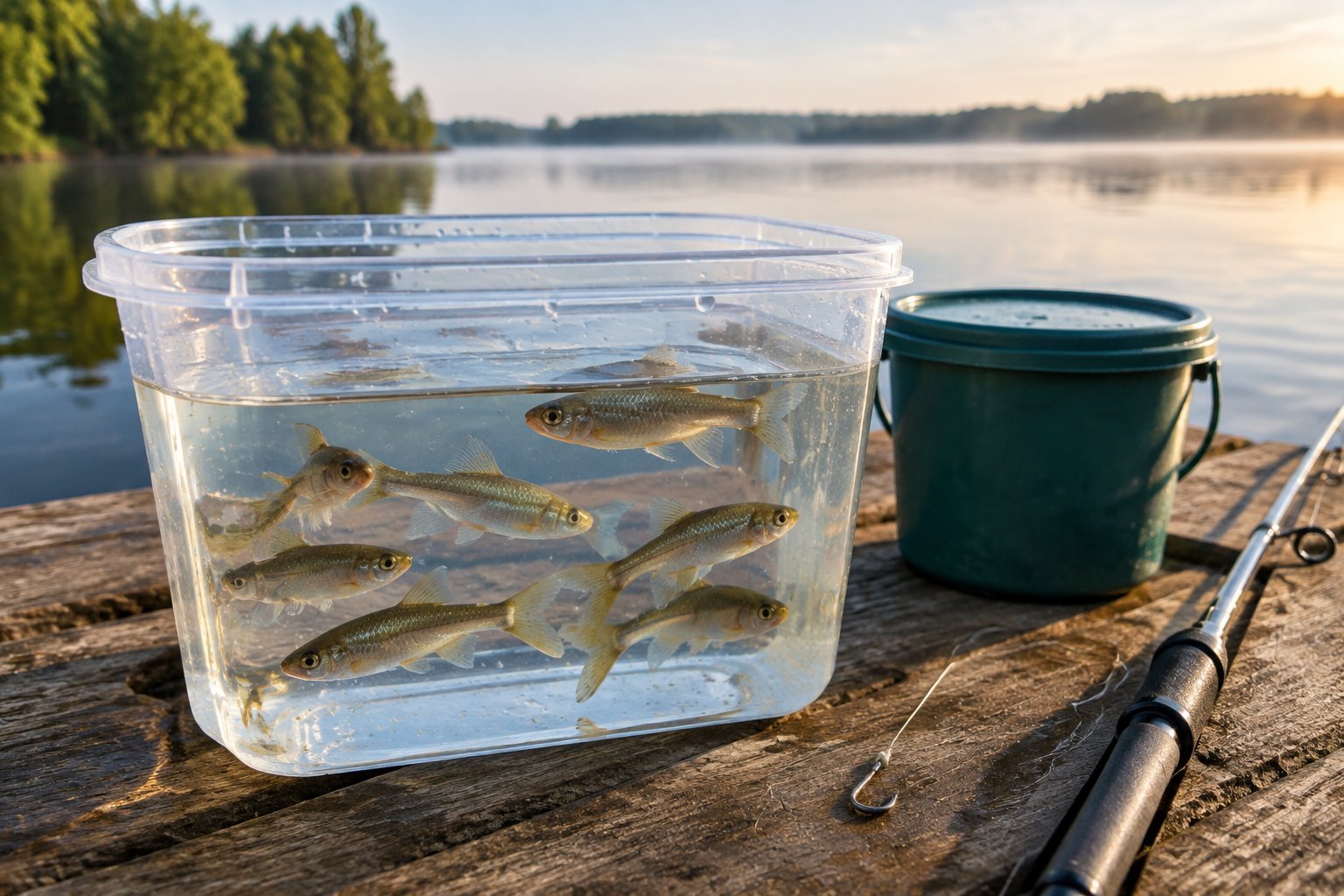
Choose active baitfish with bright scales and intact fins, then protect them from heat, chlorine, sudden temperature changes, and low oxygen. A small bait bucket with an aerator keeps a short fishing trip running smoothly.
What Kind of Minnows Are Best for Crappie?
Fathead minnows are hardy and easy for beginners to keep alive. Golden shiners also make effective live bait when you choose small, lively fish that fit comfortably in a crappie’s mouth.
At the bait shop, look for minnows schooling tightly, swimming actively, and showing bright scales. Skip bait with damaged fins, darkened bodies, or sluggish movement near the surface.
Check local fishing rules before buying or collecting baitfish. Use bait sourced for the water you plan to fish, and never release unused minnows into a different body of water.
How Many Minnows Do You Need for a Short Trip?
Plan on about 2 dozen minnows per angler for a full day, then adjust for trip length and your skill with bait handling. A quick after-work session may require fewer, while children and beginners benefit from carrying a few extras.
Keep the bait count practical. Extra minnows need more water and oxygen, and a crowded bucket loses water quality faster.
How to Keep Bait Alive in a Bucket
Fill your minnow bucket with water from the lake you plan to fish, or use water prepared according to local bait-handling guidance. Avoid chlorinated water and keep the temperature steady as you move from the bait shop to the lake.
Add an aerator for trips lasting more than a few hours. Keep the bucket shaded, remove dead minnows promptly, and cool the water gradually when hot weather raises its temperature.
Can You Catch Your Own Baitfish?
You can catch baitfish with a minnow trap where local regulations allow it. Place the trap near shoreline cover, check it regularly, and use only baitfish permitted for your destination.
Keep water from separate lakes and rivers apart. This reduces the risk of moving unwanted organisms between waterways.
The Simple Slip-Bobber Rig for Beginners
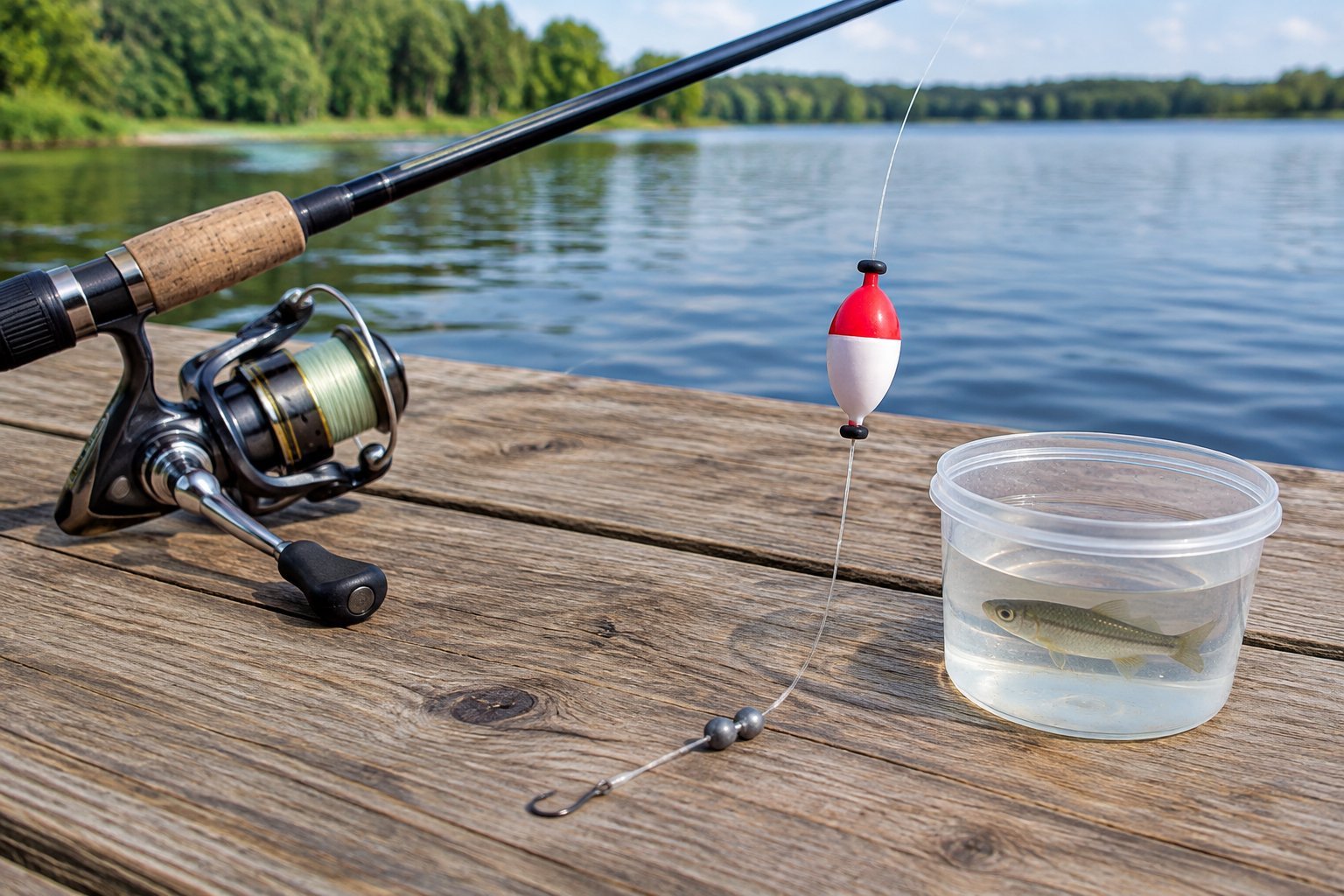
A slip bobber rig gives you an easy way to suspend a live minnow at a chosen depth and adjust quickly when crappie move. Use light spinning tackle, a small Aberdeen hook, and only enough weight to keep the bait below the float.
What You Need for the Basic Setup
Gather these parts:
- 6- to 7-foot light or ultralight spinning rod
- Spinning reel with 2- to 6-pound line
- Slip bobber
- Bobber stop and bead
- Small barrel swivel
- 12- to 18-inch fluorocarbon leader
- Size 4 to 8 Aberdeen hook, with size 6 as a useful starting point
- One small split shot weight
- Live minnow
Tie the main line to the barrel swivel, then attach the fluorocarbon leader and hook. Pinch the split shot onto the leader 8 to 12 inches above the hook.
How to Set the Fishing Depth
Set the bobber stop so the minnow swims just above the depth where crappie hold. Begin around 3 to 5 feet in shallow water, then adjust in small increments until the float moves consistently.
Near deeper cover, use sonar from a boat or count the line as you lower the bait. Keep the minnow above branches when fishing brush to reduce snags.
How to Tie the Rig and Avoid Tangles
Slide the bobber stop and bead onto the main line before adding the slip bobber. Tie the line to a barrel swivel with a Palomar knot, then connect the leader with a compact knot or loop knot.
Cast smoothly and let the weight pull the line through the float. A gentle lob keeps the minnow from flying off and prevents the leader from wrapping around the main line.
When to Use a Jig and Minnow Instead
Use a jig head and minnow when you want to cast, drift, or fish vertically without a float. A small jig head keeps the bait compact and lets you feel light bites through the spinning rod.
Lip-hook the minnow for forward movement, or place the hook near the dorsal area for a slower vertical presentation. Keep the jig light enough for the bait to move naturally.
How to Hook a Minnow Without Killing It
Match the hooking method to your presentation: lip hooking suits movement, dorsal hooking keeps a minnow horizontal beneath a float, and tail hooking creates extra kicking near cover.
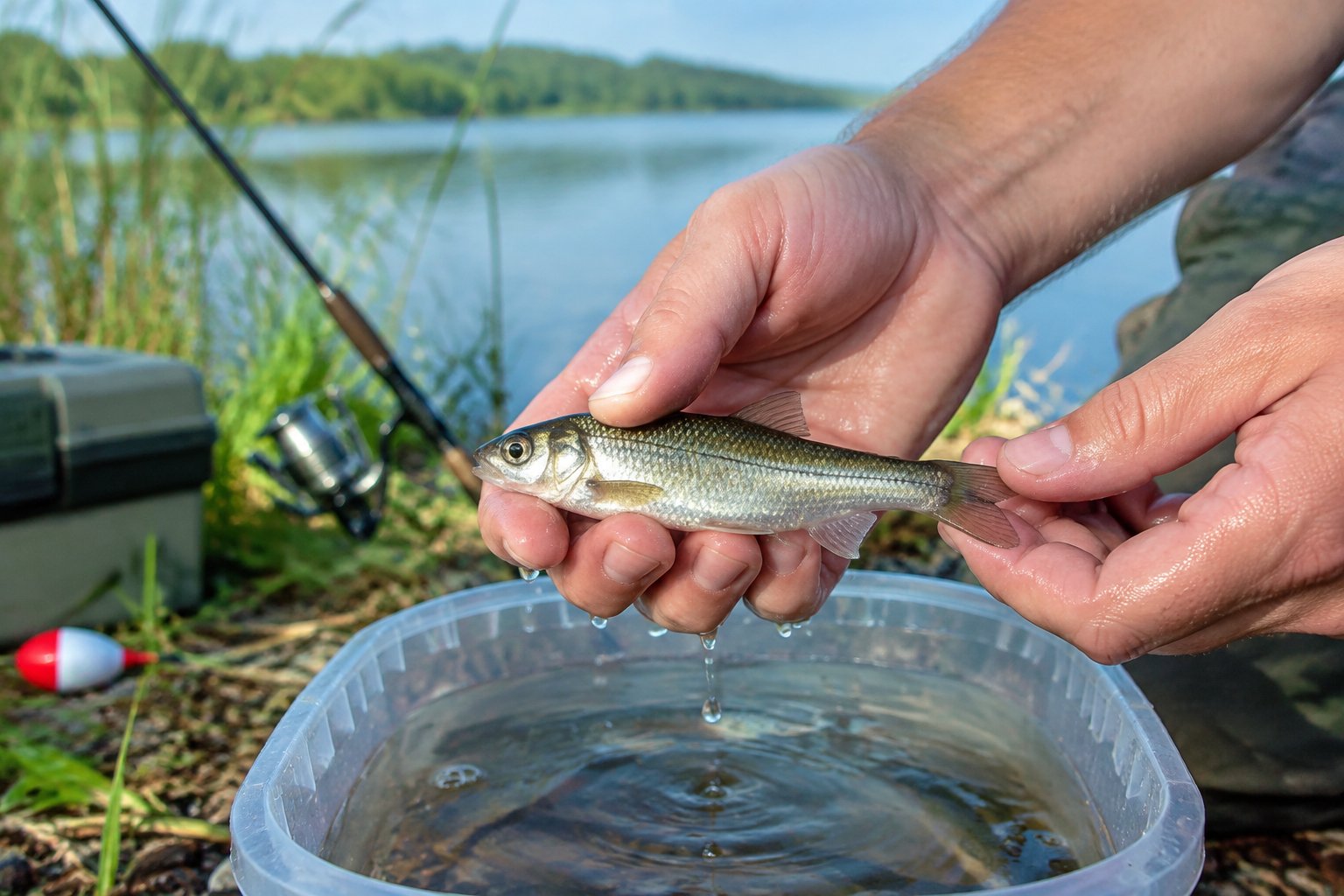
Lip Hooking for Casting, Drifting, and Trolling
Run the hook through the lower lip and out through the upper lip, using only enough pressure to secure the bait. This lip hook keeps the minnow aligned when you cast, drift, or slow troll.
Use a small, thin-wire hook so the bait stays active. A heavy hook damages small minnows and makes the presentation less natural.
Dorsal Hooking for a Natural Float Presentation
Place the hook just behind the dorsal fin, passing through skin and shallow muscle. Keep the hook point clear of the spine so the minnow can swim and maintain a horizontal position.
Dorsal hooking works well beneath a slip bobber near docks, weed edges, and brush. Set the hook gently and avoid pulling hard when the float moves.
Tail Hooking When You Need More Action
Insert the hook through the fleshy section just ahead of the tail fin. The minnow kicks strongly from this position and creates movement that can attract crappie from nearby cover.
Tail hooking fits short casts and stationary presentations. Check the bait after each cast because soft tail tissue can tear.
How to Handle Minnows Gently
Wet your hands before touching the bait, hold it lightly, and keep it out of the water for only a few seconds. Select the minnow with your fingers or a small bait net instead of squeezing the body.
Return unused bait to the bucket promptly. Keep the hook point away from your fingers and follow local rules for bait disposal.
Where and How to Present Minnows
Present minnows close to cover at the depth crappie occupy, then change one variable at a time. Bank anglers can fish weed edges and shallow cover, while boat anglers can drift, jig vertically, or troll across suspended schools.
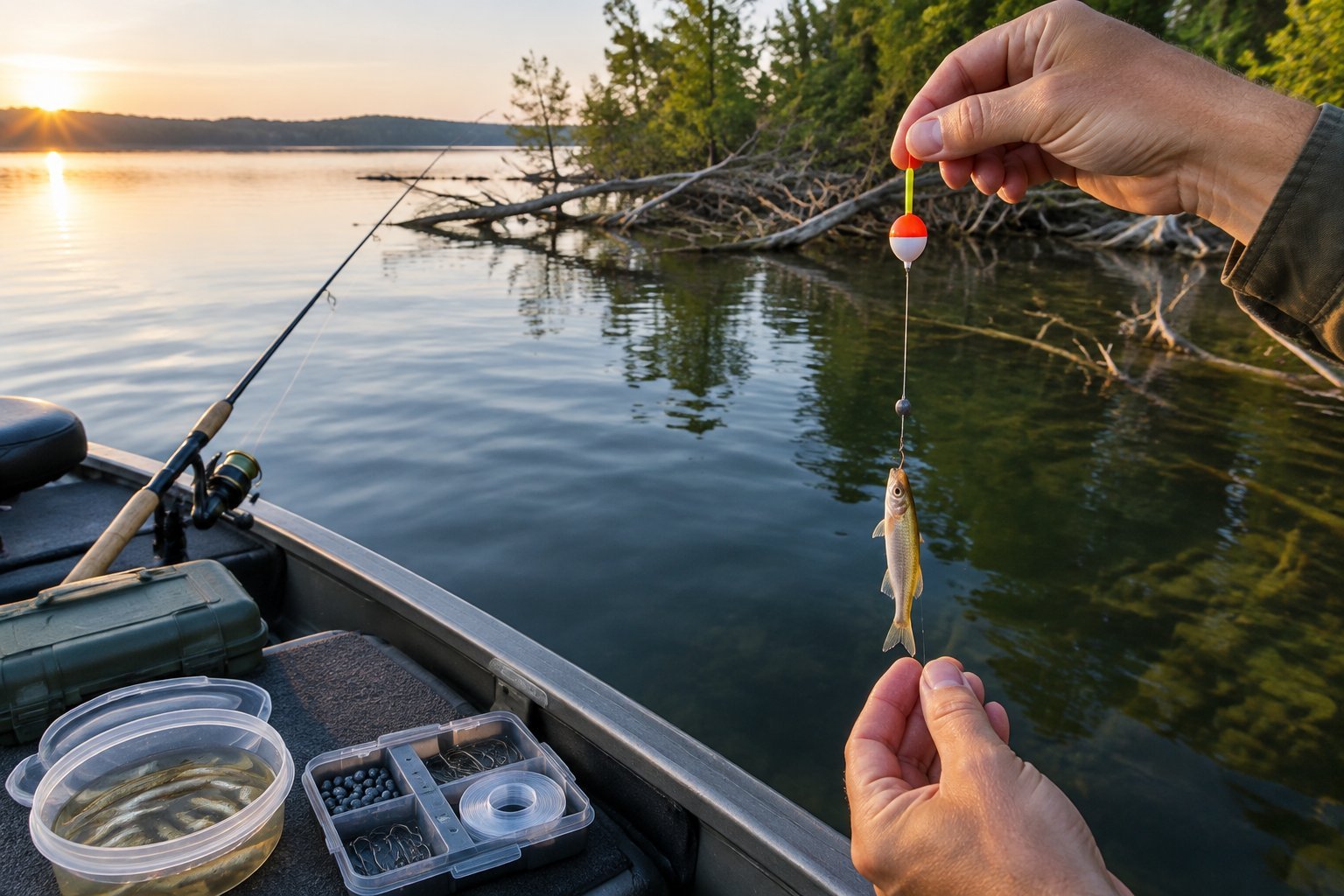
Bank Fishing Around Cover and Shallow Water
Cast a slip bobber beyond weed edges, laydowns, or shallow brush, then let the bait settle beside the cover. Keep your feet quiet and avoid repeatedly casting directly onto the fish-holding area.
Start with a shallow setting during warm-season shoreline fishing. Move the bobber stop deeper when the float passes over cover without producing bites.
Fishing Docks, Brush Piles, and Timber
Fish the shaded side of docks and the open pockets around brush piles. Lower a minnow beside timber with a slip bobber, or use a short leader and drop shot rig when you need to hold the bait near a specific branch.
A three-way swivel rig can separate the weight from the hook when you need a controlled vertical presentation. Keep enough distance between bait and weight for the minnow to move freely.
Boat Methods: Drifting, Vertical Jigging, and Slow Trolling
Drifting covers water while keeping a float or light rig moving naturally with wind and current. Use vertical jigging when your electronics show crappie near timber, brush, or a suspended school.
Slow trolling lets you test several depths across a larger area. Start with one consistent depth, then change the setting after you locate fish.
Quick Adjustments for Night and Ice Fishing
For night fishing, place a float near a lighted area where baitfish gather and keep the minnow at the depth crappie are using. Check the bait frequently because darkness makes subtle problems harder to see.
During ice fishing, use a small slip bobber, light line, and a tiny hook. Lower the bait carefully beside structure and make small depth changes when the fish do not respond.
Frequently Asked Questions
These quick answers cover the most common choices for hook size, depth, rigs, and access. Start with the slip bobber setup when you want an uncomplicated introduction to crappie fishing.
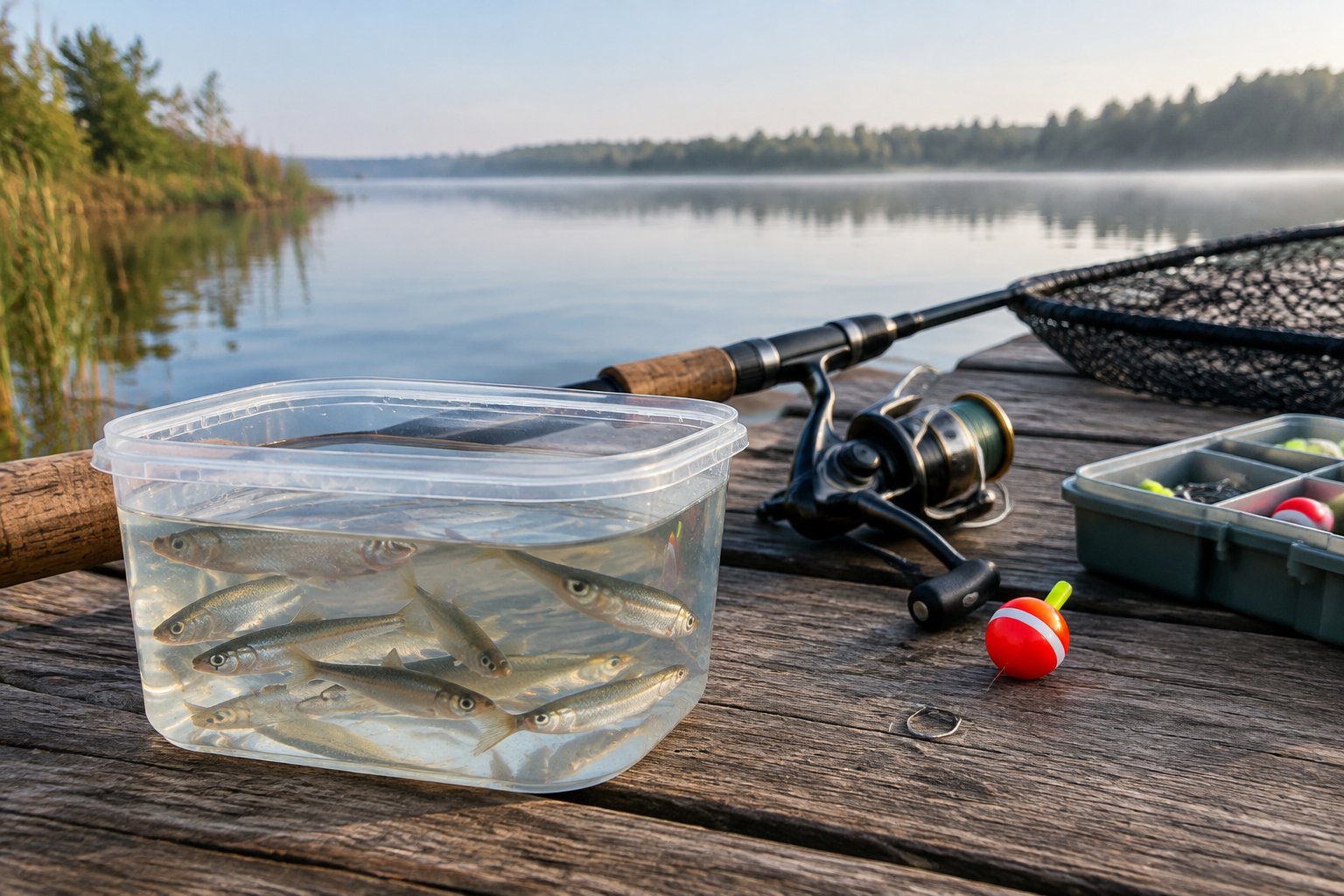
What kind of minnows do you use for crappie fishing?
Use small fathead minnows or golden shiners measuring about 1 to 2 inches. Choose lively bait with bright scales, intact fins, and active swimming movement.
What is the best rig for crappie fishing with minnows?
A slip bobber rig with a small Aberdeen hook, one split shot, and a live minnow is the best starting rig for most beginners. It lets you set the bait at a controlled depth from shore, a dock, or a boat.
Do crappie prefer jigs or minnows?
Crappie respond to both jigs and minnows, with live minnows providing natural movement and scent. Use a jig when you need to search water or fish actively, then switch to live bait when fish become selective.
How deep should I fish a minnow for crappie?
Set the minnow just above the depth where crappie are holding, beginning around 3 to 5 feet in shallow water. Adjust the bobber stop in small increments until you find the strike zone near cover or suspended fish.
Can I catch crappie with minnows from the bank?
You can catch crappie from the bank by casting a slip bobber near docks, weed edges, brush, timber, and other accessible cover. Make quiet casts, let the bait settle, and change depth before moving to a new location.
What size hook should I use for crappie minnows?
Start with a size 6 Aberdeen hook and adjust between sizes 4 and 8 to match the minnow. A thin-wire hook holds small bait securely while reducing damage to the crappie’s delicate mouth.