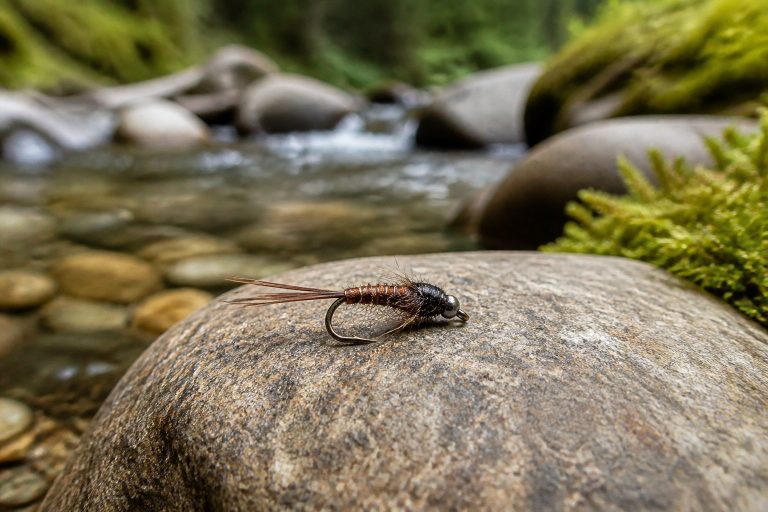
The Palomar knot is usually the best knot for tying a chatterbait because it holds well under heavy vibration, is quick to tie, and keeps the lure aligned correctly. For anglers who want a simple, reliable answer to how to tie a chatterbait, the Palomar knot is the safest starting point.
A chatterbait puts steady pressure on the knot while the blade pulses and the bait surges through the water, so a strong, clean knot matters. A properly tied Palomar knot gives beginner anglers a dependable connection that helps prevent slippage and break-offs.
That matters even more for parents and busy anglers trying to get on the water fast, since a knot failure can waste the best part of the trip. For anglers who also want practical fishing guidance, Be The Hero offers helpful educational content and a 10 step process for fishing more often, which fits the same time-saving mindset.
Best Knot At A Glance
A chatterbait works hard on a knot, so the safest choice is usually the one that stays strong without taking forever to tie. The Palomar knot is the first knot most anglers should learn, while the Improved Clinch Knot can still work in some situations.
Why The Palomar Knot Is Usually The Top Choice
The Palomar knot keeps high strength with very few steps, which helps when a blade bait is constantly vibrating. It also grips well on braid, fluorocarbon, and monofilament, so it gives beginners flexibility.
It is especially useful when fishing around cover or making repeated casts, since a knot that is fast and consistent saves time and reduces errors.
When An Improved Clinch Knot Makes Sense
The Improved Clinch Knot can make sense when the line is lighter and the connection point is small or awkward. It is familiar to many anglers and easy to tie in a pinch.
It is not usually the first choice for chatterbaits, though, because it can be less reliable than a Palomar knot on heavier line or under repeated vibration.
What You Need Before You Start
A clean knot starts with the right line and a quick check of the hardware. Before tying, make sure the line matches the bait, and inspect the snap, eye, or line tie for rough edges.
Line Types That Work Well
- Braid: strong and sensitive, useful when casting farther or fishing heavy cover.
- Fluorocarbon: good abrasion resistance and lower visibility in clearer water.
- Monofilament: easier for beginners, though it stretches more than the other two.
A chatterbait can be tied effectively with any of these, as long as the knot is tied carefully and snugged down evenly.
Checking The Snap Or Line Tie
The line tie on the chatterbait should be clean and smooth, with no burrs that can weaken the knot. If the bait has a snap or clip connection, it should close securely and not twist under pressure.
A quick fingertip check before tying often catches a problem that would show up only after a fish eats the bait.
Step-By-Step Palomar Knot Instructions
The Palomar knot is simple once the motions are learned. It works best when the loops stay open, the knot is tightened slowly, and the tag end is trimmed after everything seats cleanly.
Threading The Line Correctly
- Double about 6 inches of line so both strands run together.
- Pass the doubled line through the chatterbait’s eye.
- Keep enough slack so the loop can move freely during the next step.
Forming The Overhand Loop
- Tie a loose overhand knot with the doubled line.
- Do not cinch it tight yet.
- Leave a large enough opening for the bait to pass through.
The knot should look oversized and unfinished at this point, since tightening too soon makes the next step harder.
Passing The Lure Through
- Hold the doubled line and open loop in one hand.
- Pass the chatterbait through the loop.
- Make sure the bait hangs cleanly without twisting the line.
This step is where beginners often rush, yet keeping the bait straight helps the knot seat evenly later.
Cinching And Trimming Cleanly
- Wet the knot before tightening.
- Pull both the tag end and main line slowly until the knot seats.
- Tug firmly to test the connection.
- Trim the tag end, leaving a short, clean tail.
A properly tightened Palomar knot should sit compactly against the eye without looking crossed or bunched up.
Why Knot Choice Matters With Vibration Baits
A chatterbait is not a smooth lure. Its blade thumps hard, and that constant movement puts repeating stress on the knot and line.
Handling Constant Blade Thump
The bait’s vibration creates small but continuous jerks that can work a weak knot loose over time. A strong knot, tied cleanly, handles that repeated action better and keeps the lure tracking as intended.
That matters most during long retrieves, where the bait may spend more time under tension than a standard jig or spinnerbait.
Reducing Slippage And Break-Offs
A knot with good line contact is less likely to slip when a fish surges or when the bait catches grass. Break-offs often happen when the knot was not seated correctly, was burned during tightening, or was tied with too little tag end.
For chatterbaits, consistency matters as much as strength, since a bad knot can fail even when the line itself is fine.
Choosing Between Fluorocarbon And Braid
Both fluorocarbon and braid can work well on chatterbaits, and the better choice depends on water clarity, cover, and how the bait is being fished. Each line changes the way the lure feels and moves on the retrieve.
When Fluorocarbon Is The Better Fit
Fluorocarbon is a strong choice in clearer water or when a little extra abrasion resistance helps around rocks, wood, or sparse grass. It also sinks, which can help keep the bait down on a steady retrieve.
Many anglers like it when they want a more subtle presentation and a bit less visibility.
When Braid Can Help
Braid shines in thicker cover, since it offers excellent sensitivity and solid hook-setting power. It also makes it easier to feel the chatterbait’s vibration at longer distances.
When paired with the right rod and trailer, braid can make the bait feel more direct and responsive in the hand.
Leader Considerations For Clear Water
A fluorocarbon leader can be a smart compromise when braid is the main line but the water is clear. That setup keeps the sensitivity of braid while adding a less visible connection near the bait.
The leader knot should be strong and compact, because the chatterbait’s vibration will expose any weak connection quickly.
Common Mistakes And Quick Fixes
Most chatterbait knot problems come from small errors that are easy to correct. A few careful habits can save time, line, and lost fish.
Tying To The Wrong Connection Point
The knot should go to the bait’s intended line tie, not to a random part of the head or hook hanger. Tying to the wrong spot can change the bait’s action and weaken the connection.
If the bait has a clip or snap, make sure it is centered and fully closed before fishing.
Burning The Line While Tightening
Heat can weaken both fluorocarbon and braid-coated sections when the knot is cinched too fast. Wet the knot first, then pull slowly and steadily.
If the line feels rough or looks cloudy after tightening, retie it rather than risking a failure.
Leaving Too Little Tag End
A tag end that is too short can slip out under pressure, especially after repeated casts. Leaving a short but visible tail gives the knot room to hold.
A good habit is to trim carefully only after the knot has been tested with a firm pull, not before.