I’ve noticed that many office parks have ponds tucked between buildings or sitting near walking paths, often overlooked by everyone rushing to work. Yet, these calm spots can hold surprisingly good fishing. Bass, bluegill, and even catfish often thrive in these managed ponds, turning an ordinary lunch break into a short fishing getaway. You can successfully fish an office park pond if you understand the environment, follow local rules, and use the right gear and approach.

I’ve learned that these small bodies of water behave differently from lakes or rivers. Each pond has its own mix of structure, cover, and fish behavior, often shaped by how it’s maintained and how much activity surrounds it. With the right techniques and simple tools, you can quietly slip into a rhythm that makes these ponds rewarding places to fish.
Throughout this guide, I’ll walk you through how to read an office park pond, stay within the law, pick effective gear, and catch popular species like channel catfish. With a little preparation and awareness, even a quick stop after work can feel like a full fishing trip.
Understanding Office Park Pond Environments
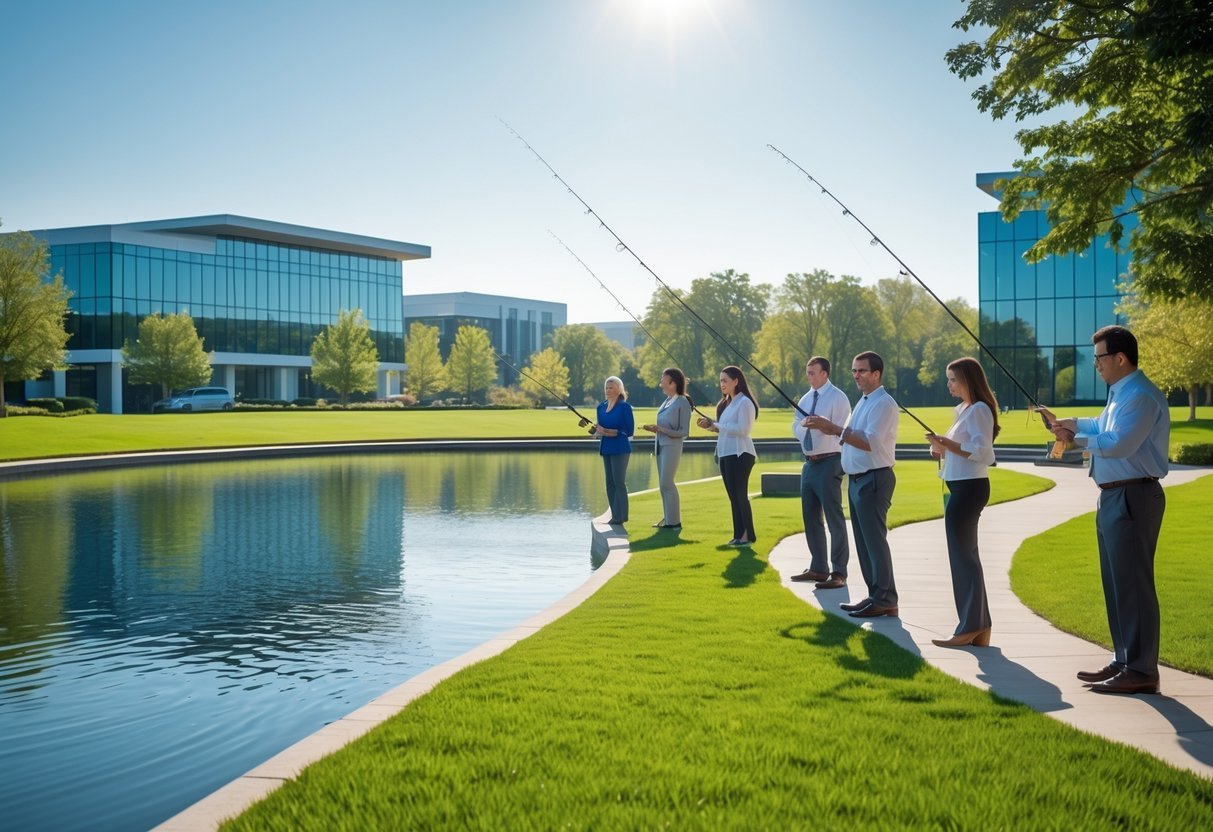
I view office park ponds as small yet complex ecosystems shaped by their design, maintenance, and local environment. These waters often support a variety of fish species, rely on manmade structures for water flow, and require me to respect property rules before fishing.
Typical Fish Species in Office Park Ponds
Many office park ponds hold warmwater fish that tolerate limited space and mild water conditions. Common species include largemouth bass, bluegill, redear sunfish, common carp, and channel catfish. Some ponds may also contain crappie, tilapia, or goldfish, depending on local stocking or environmental factors.
I often see how species selection matches the pond’s size and maintenance. Bass and bluegill coexist well because they balance predator-prey relationships, while catfish thrive in deeper or shaded spots with moderate oxygen. In colder areas, stocked trout might appear in winter when water temperatures drop.
Unintentional introductions sometimes occur from nearby streams or flooding, adding species like green sunfish or carp hybrids. Knowing what lives in each pond helps me choose effective baits—earthworms or small jigs for panfish, and soft plastics for bass or catfish.
| Common Species | Typical Size Range | Best Bait or Lure Type |
|---|---|---|
| Bluegill | 4–8 inches | Worms, small jigs |
| Largemouth Bass | 10–18 inches | Soft plastics, crankbaits |
| Channel Catfish | 12–20 inches | Bread, stink bait, cut bait |
| Carp | 15–25 inches | Corn, dough balls |
| Crappie | 6–12 inches | Minnows, small spinners |
Water Conditions and Pond Structure
Office park ponds vary, but most are shallow, often less than 10 feet deep. Many include fountains, spillways, or culvert pipes to keep water circulating. These features improve oxygen levels and attract fish seeking cooler or moving water.
Edges lined with rocks, vegetation, or retaining walls provide shade and hideouts for smaller fish. Deeper corners near storm drains often hold bigger predators like bass or catfish. I pay close attention to shaded banks, submerged logs, and structures such as docks or overflow drains since these usually mark productive fishing spots.
Because runoff from parking lots can bring chemicals or changes in pH, water clarity and temperature shift quickly after rainfall. Fish may move toward inlets where fresh water enters or retreat into deeper zones when oxygen drops. Observing these patterns helps me pick the best place and time to cast.
Common Access Points and Permissions
Office park ponds are often part of private or managed property, so I always verify if fishing is allowed before I begin. Signs near the pond or property entrances often state specific rules, such as catch and release only or permit required.
Access usually happens from walkways, retention areas, or grassy banks behind office buildings. I look for open shoreline that’s safe and free from foot traffic. Fishing early in the morning or evening minimizes disturbance and avoids busy business hours.
Many property managers allow fishing if I ask first and follow basic etiquette—keeping trash out of the water, avoiding noise, and staying clear of landscaped areas. Some cities require an additional local permit even with a state license, especially for ponds owned by a municipality. Respecting these guidelines builds goodwill and ensures I can return without issue.
Legal Requirements and Fishing License Rules
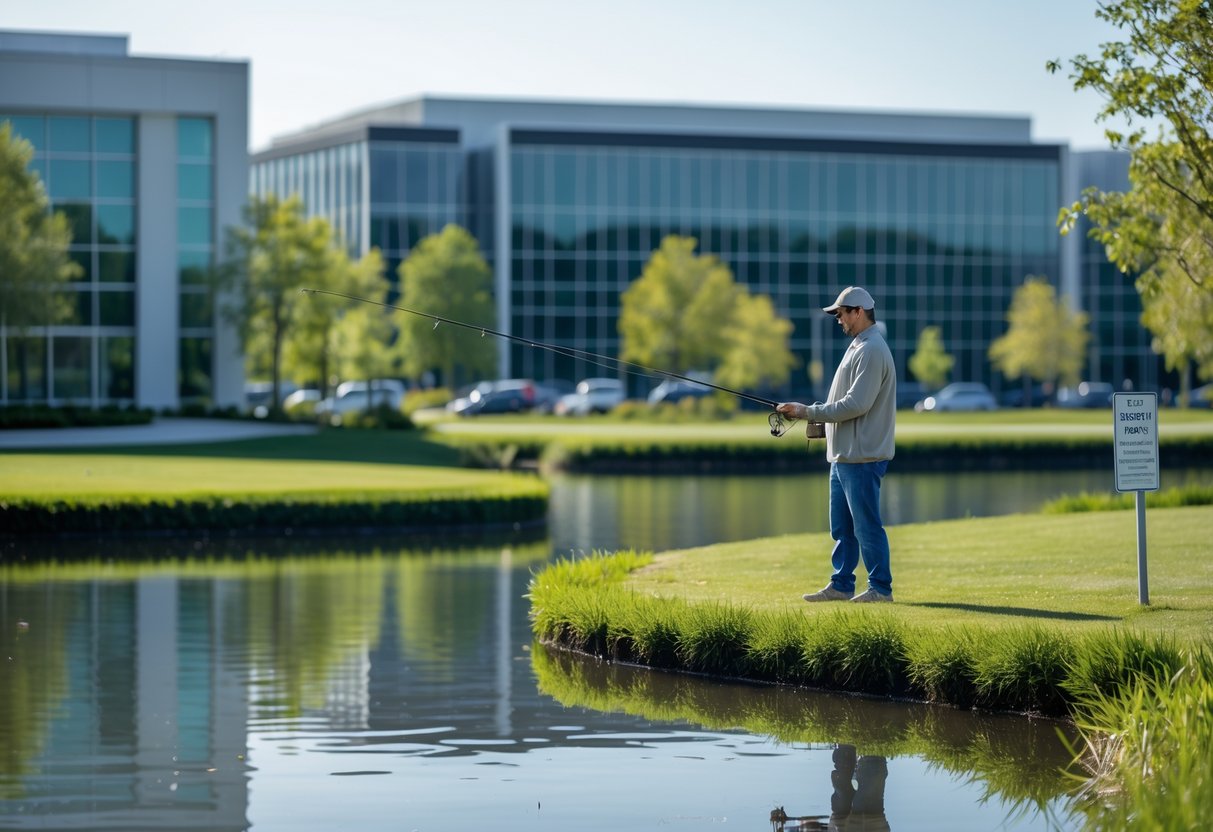
Fishing in office park ponds often requires understanding local laws, permit needs, and site rules. I follow these steps carefully to make sure my time by the pond stays legal and respectful of the property and wildlife.
Do You Need a Fishing License?
I usually start by checking whether a fishing license applies to the water I plan to fish. Many office park ponds are private or semi-public, meaning ownership determines licensing rules. If the pond sits entirely on private property without access to public waterways, anglers may not need a state fishing license.
However, in most cases, if the pond connects to public streams or is open to employees, residents, or the general public, a valid state fishing license is often required. States like Florida and Illinois, for example, require a license even when the pond is within a business complex.
Local laws may also require separate permits for special fish like trout or for hosting fishing events. Checking these details with the state’s fish and wildlife agency or the park property office helps me avoid penalties and ensures I comply with all local and ecological rules.
How to Obtain a Fishing License
When I need a license, getting one is usually quick. Most states let me apply through their Department of Fish and Wildlife websites. I can choose between daily, seasonal, or annual options. These licenses usually include a fee that supports conservation programs and fish habitat maintenance.
To apply, I must provide basic information like my name, address, and age. Nonresidents often pay a higher fee. Some states offer discounts to veterans, seniors, or minors.
The table below shows common license types:
| License Type | Duration | Typical Cost (USD) | Where to Buy |
|---|---|---|---|
| Resident Annual | 12 months | $20–$45 | Online or retail stores |
| Nonresident Annual | 12 months | $40–$120 | Online or license vendors |
| 1-Day or 3-Day | Short-term | $5–$20 | Online or kiosk |
I always carry proof of my license when fishing since park or wildlife officers can request to see it at any time.
Pond-Specific Regulations and Park Hours
Office park ponds usually have their own posted rules. These may cover the hours of operation, catch limits, or bait restrictions. I check the signs near the pond entrance or contact park management before starting.
Many managed ponds only allow catch-and-release fishing to protect limited fish populations. Some prohibit live bait or barbed hooks to reduce harm to fish. During spawning season, access might be restricted to preserve fish health.
Park hours are also enforced to prevent after-dark fishing and ensure visitor safety. Typical hours run from sunrise to sunset. By following these schedules and rules, I help maintain respectful use of community waters while keeping the fishing experience fair and sustainable.
Best Tactics for Catching Fish in Office Park Ponds
I focus on tactics that give me the best chance of connecting with fish in managed or landscaped ponds. These areas are often small, heavily fished, and clear, so quiet movements, the right gear, and an understanding of seasonal behavior make the biggest difference.
Bank Fishing Techniques
I start by choosing a quiet spot along the bank where overhanging trees, storm drains, or shaded corners provide cover for fish. I move slowly and avoid casting shadows onto the water. Light line—4 to 8 lb test—helps keep my presentation natural.
To attract species like bluegill, largemouth bass, or channel catfish, I use small hooks and live bait such as worms or minnows. On bright days, I prefer darker lures that match the pond’s natural tones. If weeds are thick, I switch to weedless rigs or bobbers to keep the bait above vegetation.
When I fish for catfish, I place my bait near deeper areas or around concrete drainage outlets where oxygen and food collect. I let the bait sit still rather than retrieve it, since catfish respond best to scent and patience. A steady, simple approach from shore often produces steady results.
Casting Strategies for Small Ponds
Office park ponds are compact, so accuracy is more important than distance. I cast along edges, near drainpipes, or by submerged structures instead of the open middle. Fish often hold close to these sheltered areas for food and safety.
I use sidearm or underhand casts when space is tight. These low casts keep the lure close to the surface and reduce the risk of spooking fish. When I target active species like bass, I work soft plastics or small spinnerbaits with slow, steady retrieves near cover.
For more cautious fish, I vary retrieval speed and occasionally pause the lure to mimic injured prey. This slight unpredictability triggers strikes. Light spinning gear lets me maintain control while keeping my movements subtle.
Seasonal Approaches for Better Success
In spring, I fish shallow, sunny banks where warm water brings bluegill and bass close for spawning. As summer heat builds, I shift to shaded or deeper zones and fish early morning or late evening to avoid high temperatures.
During fall, I notice fish spread out and feed aggressively to prepare for winter. I use faster-moving baits and switch between topwater and mid-depth presentations.
In winter, I slow my tactics. I target deeper pockets near aerators or outflows where oxygen stays higher. I rely on small baits and long pauses between movements. Channel catfish often stay active later in the cold months, so I keep a few cut baits ready for when the bite turns slow.
Essential Gear for Office Park Pond Fishing
I choose gear that suits calm, compact waters and smaller fish species like bass, bluegill, and crappie. Light tackle helps me cast quietly, control the line better, and reduce splash that can scare fish in these controlled environments. I rely on simple tools that balance function, portability, and precision.
Recommended Rods and Reels
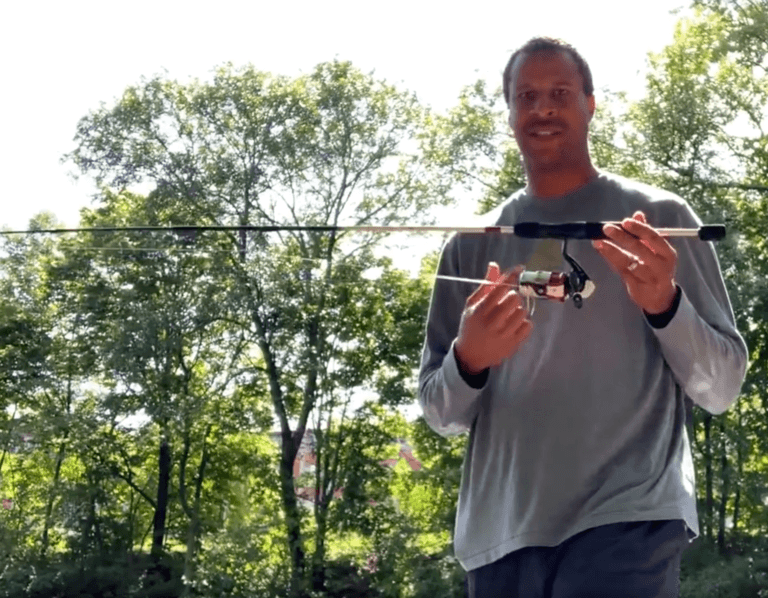
I use a light or ultralight spinning rod between 5½ and 7 feet long. It gives me accurate short casts in tight areas, especially around fountains, overhanging trees, and manicured banks. A rod power rating of light to medium offers enough strength for small bass while maintaining sensitivity to feel subtle bites.
For reels, I prefer a 1000–2500 size spinning reel. It’s compact and pairs well with lighter rods. I spool it with a 4–8 lb monofilament or fluorocarbon line since these lines manage well, stretch moderately, and stay nearly invisible underwater. In clearer water, fluorocarbon helps avoid spooking fish. When fishing near brush or rocks, I sometimes switch to braided line with a short leader for abrasion resistance.
Effective Baits and Lures
I rely on baits that mimic pond forage like insects, small minnows, or worms. Live bait such as nightcrawlers, crickets, or small minnows works best for bluegill and catfish. For those who prefer artificial options, I use soft plastic worms, small spinnerbaits, and topwater poppers. These let me adjust presentation based on fish activity.
In cool or cloudy conditions, slow-moving baits like jigs or worms on light jig heads perform well near structure. During warm, sunny afternoons, spinners and topwater lures create flash and vibration that attract opportunistic fish. I keep my colors subtle—natural greens, browns, and silvers—to match most pond environments found in office parks.
Must-Have Accessories for Pond Anglers
I keep my gear minimal to stay mobile between casting spots. My essentials include:
| Item | Purpose |
|---|---|
| Hooks (sizes 6–12) | Fit for bluegill, crappie, and small bass |
| Bobbers/Floats | Keep bait suspended at controlled depths |
| Sinkers/Weights | Help present bait naturally and maintain distance |
| Swivels | Prevent line twists |
| Pliers & Clippers | Safe hook removal and line trimming |
I also carry a small tackle box, a landing net, and polarized sunglasses to cut surface glare and spot fish near cover. A simple bucket or small cooler helps store live bait without cluttering the work area. This compact setup keeps me prepared while blending in quietly with the surroundings.
Targeting Channel Catfish and Other Popular Species
I often find that small ponds in business parks support a mix of hardy fish species. Channel catfish, bluegill, largemouth bass, and sunfish adapt well to these managed urban waters, offering a range of fishing opportunities throughout the year.
Locating Channel Catfish in Urban Ponds
I look for catfish in deeper parts of the pond, near drop-offs, culverts, or drains where water remains cool. Catfish like cover, so I focus around structures such as submerged rocks, logs, aeration systems, and stormwater inlets. These areas collect baitfish and organic debris, which attract bottom feeders.
During warmer months, I often fish early in the morning or late evening when catfish move into the shallows to feed. In cooler weather, they stay deeper and more sluggish. I use simple rigs like slip sinker or Carolina-style setups that keep bait near the bottom but allow natural movement.
I also check water quality after heavy rain since runoff carries new food sources. Urban ponds with a slight current or inflow usually hold more active fish than still, stagnant water.
Best Baits for Channel Catfish
Channel catfish respond strongly to scent-based baits. I rely on natural options such as cut shad, nightcrawlers, or chicken liver, especially in murky water where smell plays a bigger role. In heavily fished ponds, I sometimes switch to stink baits or prepared dough baits to stand out from what others are using.
I secure soft or loose baits firmly on circle hooks so I don’t lose them during the cast. Circle hooks also make clean hooksets near the mouth, which helps release fish unharmed. When the bite slows, I downsize the bait or cast closer to shaded banks, fountain edges, or near aerators where dissolved oxygen attracts feeding catfish.
The key is to stay patient. Catfish often feed in bursts, and the right scent trail can bring them in even after long quiet periods.
Additional Tips for Bluegill, Bass, and Sunfish
I find that most ponds with catfish also hold bluegill and sunfish, which thrive near vegetation or docks. They bite best on small worms, mealworms, or bread balls fished below a bobber. Short casts close to cover produce steady action.
For bass, I downsize my lures to match the pond scale. Soft plastic worms, small crankbaits, or spinnerbaits work well when retrieved slowly along the edge of weed lines. Bass often patrol drop-offs and shaded banks for smaller fish and insects.
I use light tackle for all these species to make the fight more enjoyable and to avoid spooking fish in clear or shallow water. A 6–8 lb monofilament line gives me enough control while keeping presentations natural.
Best Office Park Ponds and Responsible Angling
I focus on finding office park ponds that hold healthy fish, are legally open to anglers, and remain well cared for by everyone who visits. I also pay attention to how I act around the water—following local rules and keeping the area clean ensures that fishing stays possible and enjoyable for others.
How to Find Productive Office Park Ponds
I look for ponds that have visible signs of life such as surface ripples, aquatic plants, and birds feeding on insects or small fish. These clues often point to an active ecosystem that supports bass, bluegill, or catfish. Ponds with small inlets, fountains, or drainage pipes usually have better oxygen levels, which attract fish.
Maps and satellite images help me identify ponds in business parks, near office complexes, or within landscaped developments. Some towns or real estate listings note which ones include public walking paths or posted fishing access. If I can see other anglers’ signs, such as cleared banks or trash bins, that area likely allows fishing.
When possible, I visit around sunrise or sunset to check for fish movement. Taking notes about water clarity, cover, and noise levels helps me decide if the spot is worth returning to.
Respecting Private Property and Park Rules
Before I cast, I make sure I have permission to fish. Many ponds in office parks belong to private owners, city park systems, or homeowners’ associations. If no fishing signs appear, I contact property management or city staff to ask. A few minutes of courtesy avoids possible conflicts or fines.
I always check if the owner enforces catch-and-release policies, limits on species, or banned baits. In some areas, a local permit is required even when I already hold a state license. I keep a small folder of permits and contact numbers in my vehicle so I can show proof if needed.
Respect extends beyond paperwork. I park only in marked spaces, stay quiet near buildings, and avoid blocking walkways. Acting responsibly keeps access open not just for me but for other anglers who share these urban waters.
Leave No Trace: Keeping Ponds Clean
I treat office park ponds as shared community spaces. When I finish a session, I collect all line scraps, hooks, and bait containers—even other people’s litter if I see it. Fishing line and plastic can trap birds or turtles, so I carry a resealable bag for waste storage until I find a bin.
I also avoid pouring leftover bait or water from my cooler into the pond to prevent introducing nonnative species. If I see oil, trash, or any pollution issues, I report it to the property manager or park staff.
A tidy area reflects well on anglers. When managers notice clean shorelines and respectful users, they are more likely to keep ponds open for recreational fishing.