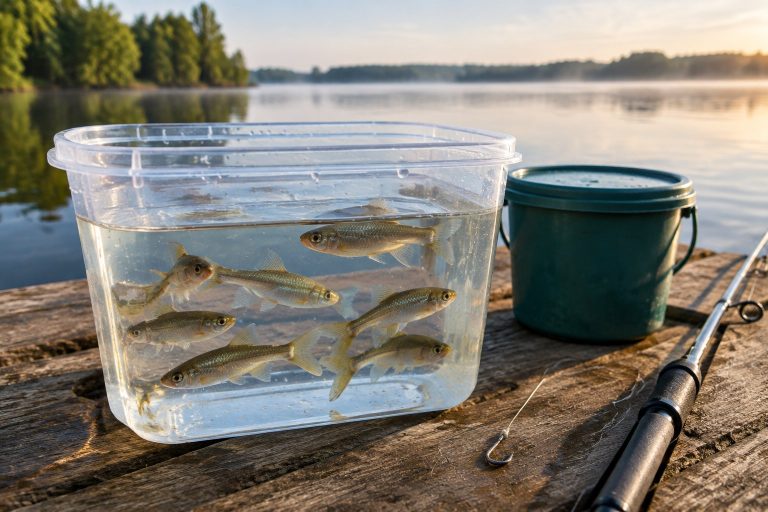
When you store fishing rods correctly, they stay straight and tangle-free, ready to grab when a short fishing window opens up. After each trip, rinse and dry your rods and reels, remove or secure hooks, ease the line tension, and keep rods upright in a rack or flat with full support in a cool, dry spot. For the off-season, add a deeper clean, a line check, and covers, then look in on your gear every few weeks.
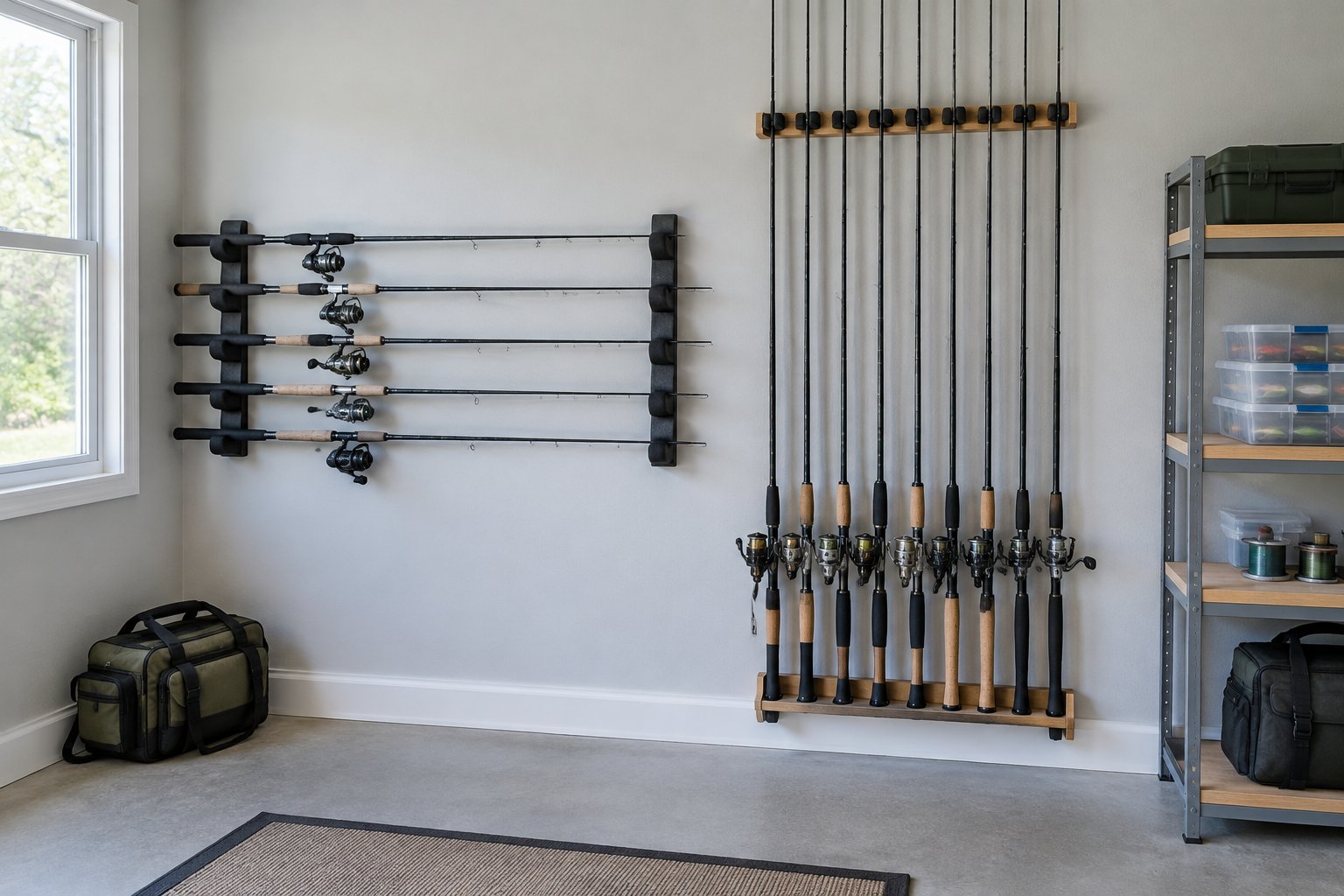
Most rods break in hallways, car doors, and garage corners, far from the water. A five-minute routine and a simple rack protect your gear, save you time before an after-work trip, and keep sharp hooks away from curious kids.
What Should You Do With Your Gear After Each Trip?
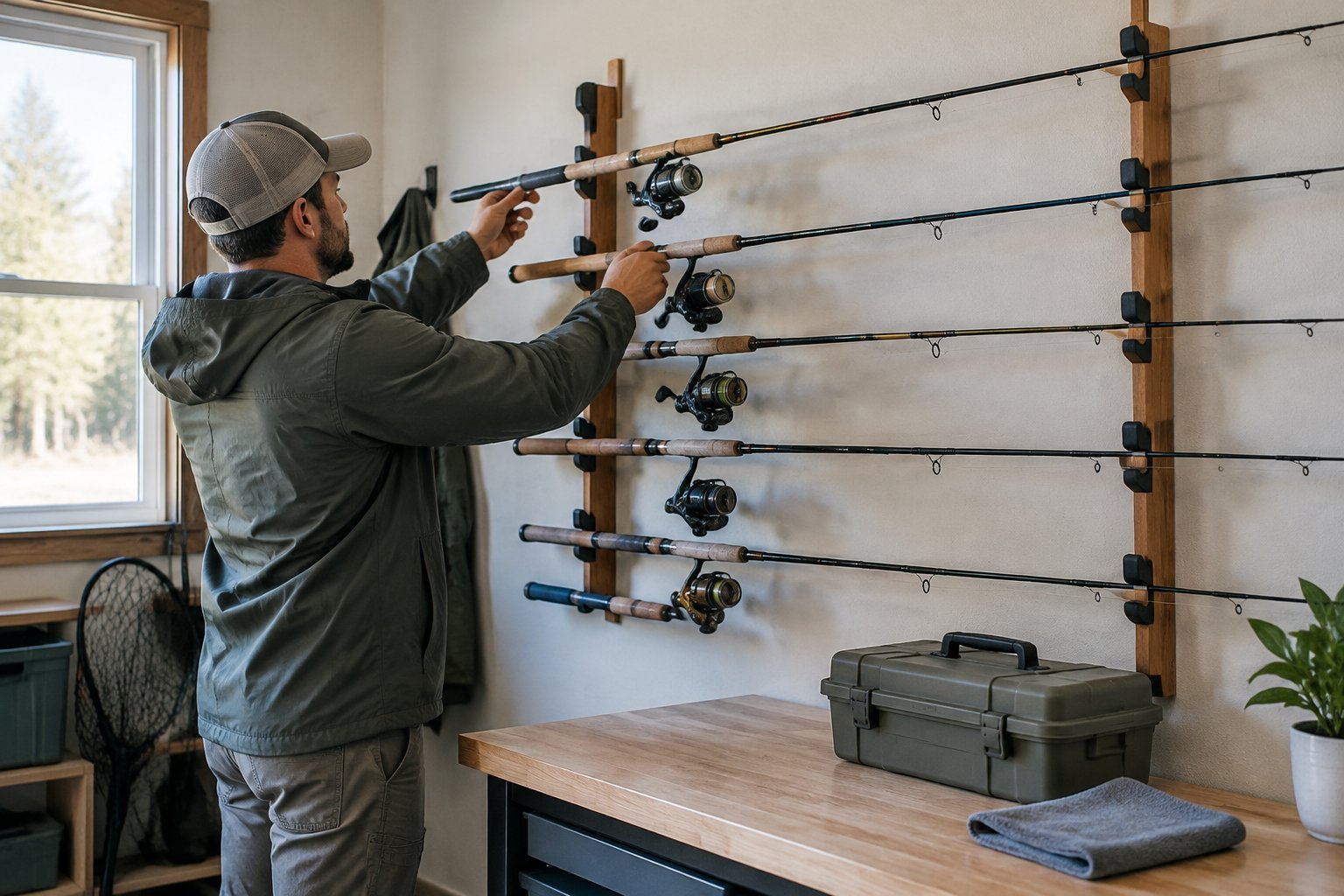
Your after-trip routine has three jobs: get water and grime off, make hooks safe, and catch small damage early. The whole thing takes about five minutes once it becomes a habit.
Clean and Dry Rods and Reels Before Putting Them Away
Wipe the rod with a soft cloth dampened in fresh water. After saltwater trips, add a little mild soap and pay close attention to the guides and reel seat, where salt hides.
For reels, a gentle freshwater rinse and a towel dry handle most trips. A full routine for cleaning a fishing reel covers spools, handles, and line rollers when you have more time.
- Let rods and reels air dry before you rack them.
- Keep rod socks off wet rods, since a damp sleeve holds moisture against the finish.
- Shake out wet tackle trays so water doesn’t pool in the compartments.
Secure or Remove Hooks and Lures, Then Release Line Tension
A lure left dangling snags carpet, clothes, and small hands. Either clip the lure off and put it back in your box, or hook it onto the hook keeper above the handle.
If you hook it to a guide or keeper, crank only until the line is snug. Too much tension puts a steady bend on the tip. Loosening the drag a bit also takes pressure off the reel while it sits.
Clipped-off lures go into dry compartments, and a well-sorted setup like the ones in this guide to choosing and organizing fishing boxes makes the next trip faster.
Check Guides, Tips, and Connections Before the Next Outing
Run a cotton swab around the inside of each guide. If it snags threads, that guide has a chip or crack that will fray your line.
Also look for:
- A wobbly or bent tip top
- Loose reel seat threads
- Sticky or loose ferrules on two-piece rods
- Frayed line in the first few feet
Fixing these at home beats finding them at the pond with the kids waiting.
Which Storage Setup Fits Your Space and Fishing Routine?
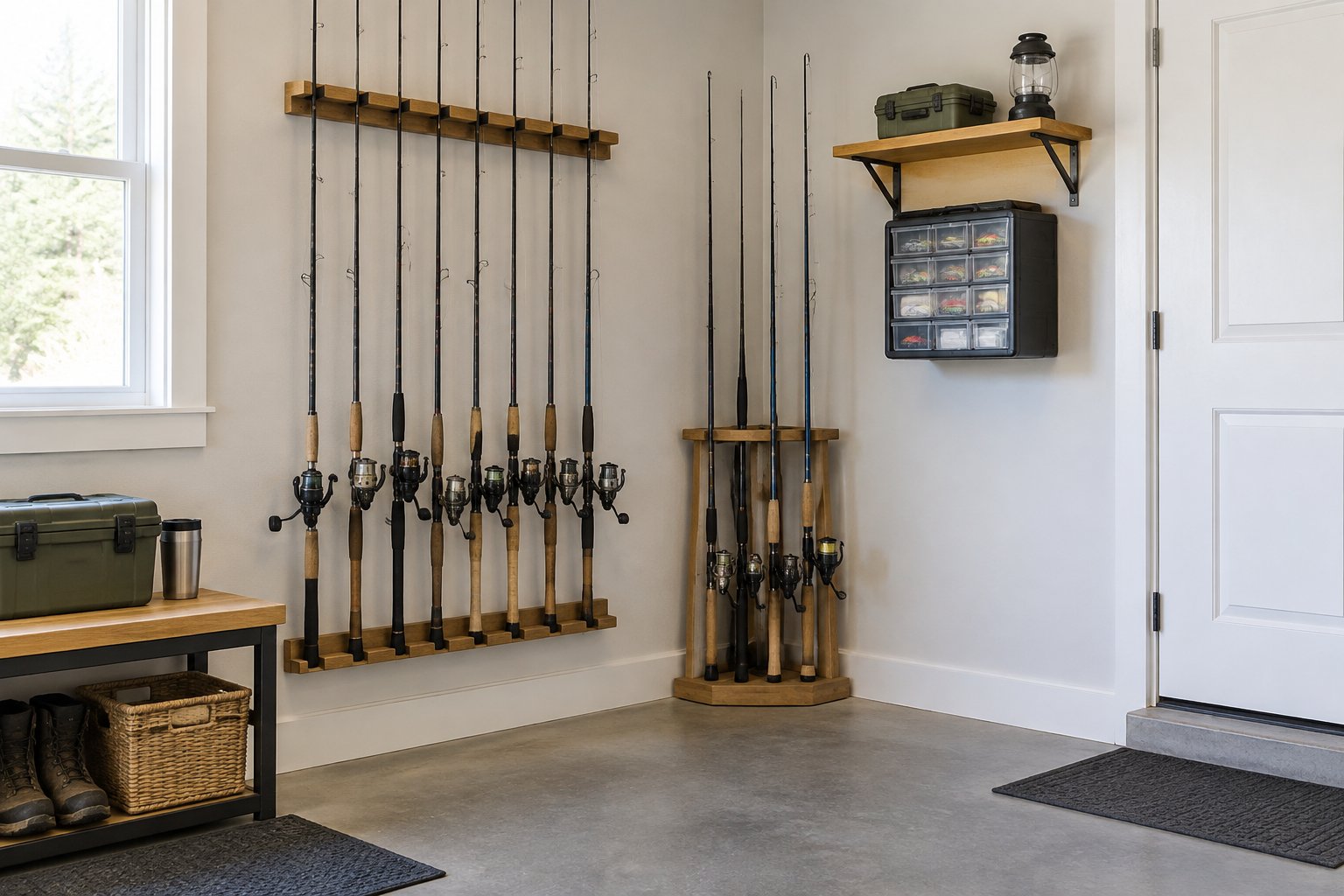
The best fishing rod storage solutions keep each rod supported, separated, and easy to reach. Wall racks save floor space, freestanding racks suit renters, and a padded DIY holder works on a small budget.
Vertical vs. Horizontal Storage: Keep Rods Supported Without Bending
Both directions work when the rod is fully supported. Vertical racks hold the handle at the bottom with the tip pointing up. Horizontal racks cradle the rod at two or more points along its length.
| Setup | Best for | Watch out for |
|---|---|---|
| Vertical | Small wall space, quick grabbing | Needs ceiling height for long rods |
| Horizontal | Low ceilings, many rods | Needs enough wall length |
Avoid leaning fishing rods in a corner. Over weeks, the angled weight can leave a lasting bend, and a leaning rod falls easily.
Wall and Ceiling Racks for Saving Floor Space
A wall-mounted rod rack keeps rods off the floor and in sight. Screw wall-mounted rod racks into studs, and keep rod tips clear of the floor and doorways.
Ceiling racks fit garages with low walls or crowded walls. They keep long rods overhead, though grabbing one takes an extra step. Plan for more rods than you own today, since most anglers keep adding.
Freestanding Racks for Renters and Grab-and-Go Family Gear
A freestanding fishing rod holder needs no drilling, so it suits apartments and rentals. Place it near the door you use for trips so your whole family can grab rods in one stop.
Pick a stand with a wide base, and keep it out of high-traffic paths where someone might bump it.
Simple DIY Holders With Smooth Edges and Padded Supports
PVC pipe capped at the bottom makes a cheap vertical tube. For a wall rack, a board with notches or holes works well.
Pad every contact point with foam, rubber, or pool noodle pieces. Sand rough edges smooth so they don’t scratch rod finishes.
Where Can You Keep Rods Safe and Easy to Reach?
Pick a dry, shaded spot that stays out of everyday traffic. Good fishing rod storage protects gear from the weather and from the people and pets moving around it.
Choose a Dry Spot Away From Sunlight and Heat Sources
A closet, spare room, or dry basement corner works for most homes. Keep rods and reels away from sunny windows, heaters, and furnaces.
Sunlight fades finishes and weakens line over time. Heat can warp soft plastic baits left on rigs, so store those in their bags inside a closed box.
Check Garages and Sheds for Moisture and Accidental Damage
Garages and sheds work, but check them first. Look for condensation, musty smells, or rust on tools. Those signs mean your reels and hooks will rust too.
If you use a garage:
- Mount rods on the wall away from the car door swing.
- Keep tackle boxes off cold concrete floors.
- Add silica packets to tackle boxes in humid areas.
- Keep rods clear of rakes, bikes, and ladders.
Keep Hooks and Rod Tips Away From Children, Pets, and Doorways
Mount racks high enough that small kids can’t reach the hooks. Keep lures in closed boxes, and store a child’s beginner tackle bag zipped and up on a shelf.
Keep rod tips away from doorways, where a swinging door can snap them. Pets that chew on cords or soft baits need gear behind a closed door.
What Changes When You Store Gear for the Off-Season?
Off-season storage takes a deeper clean, a full tackle check, and regular look-ins. Since gear may sit for months, small problems like salt or loose drag have more time to cause damage.
Decide Whether to Remove Reels and Separate Rod Sections
Taking reels off saves rack space and lets you clean the reel seat. Leaving them on keeps you ready for a surprise warm day. Either choice is fine when the gear is clean.
If you break down two-piece rods, wipe the ferrules clean and cover them with rod socks or soft cloth. Telescopic rods need a full clean and dry before closing, since grit can lead to a telescopic fishing rod getting stuck.
Clean Reels and Adjust Drag According to Manufacturer Guidance
Follow the maker’s manual for your reel. Many brands mark grease and oil points and post maintenance videos on their websites.
A common routine: rinse with the drag tight so water stays out of the drag washers, dry fully, then back the drag off before storage. Apply light oil only where the manufacturer says. Your local tackle shop can help if your manual is gone.
Remove Attached Tackle and Inspect Line Before Storage
Clip off every lure, sinker, and swivel. Dry them, then sort them into boxes with silica packets.
Check line for nicks, kinks, and stiffness. Many anglers replace monofilament and fluorocarbon each year. Braid often lasts longer, so inspect it and cut off worn sections.
Cover Fully Dry Rods and Check Stored Gear Periodically
Only cover rods once they’re completely dry. Rod socks keep dust off and stop rods from scratching each other on the rack.
Every few weeks, look for:
- Rust spots on hooks
- Damp tackle boxes or saturated silica packets
- Rods that have slipped or are leaning
How Can You Protect Rods During Quick-Trip Transport?
The car is where many rods break, so secure them, protect them, and unload them when you get home. A few habits make quick trips before or after work safer for your gear.
Secure Rods Away From Doors, Windows, and Heavy Cargo
Lay rods where doors and hatches won’t close on them. Keep tips clear of windows and away from coolers, chairs, and buckets that shift during braking.
In a pickup, a truck fishing rod holder keeps rods upright and spaced apart. Avoid leaving rods loose in the bed, where they roll and bounce.
Choose Sleeves for Tangles and Cases for Impact Protection
Rod socks and sleeves slip on in seconds and keep rigged rods from tangling. Picking from the best fishing rod sleeves gives you a fast fix for family trips with several rods.
Hard cases protect against crushing and drops. They suit long drives, flights, and nicer rods. Winter anglers can look at an ice fishing rod case for short rods.
Unload After Fishing Instead of Using the Car as Permanent Storage
A hot or cold car is a rough place for gear. Heat warps soft plastics, and damp gear in a closed trunk stays wet.
Bring rods inside, dry them, and rack them the same day. Keeping a small kit in the car is fine, but the rods belong at home.
Keep Gear Protected and Ready for Your Next Fishing Window
Good fishing rod storage comes down to a short routine you repeat. Dry your gear, secure hooks, ease line tension, and rack rods upright or flat with full support in a dry, shaded spot.
For the off-season, clean reels by the manual, strip tackle, check line, cover dry rods, and look in every few weeks. Pairing that routine with gear built for busy anglers fishing before work means you spend your free time casting.
Get your gear ready and explore the related beginner-friendly guides before your next trip.